What is Concrete Settlement & What Causes It?
You’ve probably seen sunken concrete slabs on the sidewalks and pavement around your home, but have you ever wondered what causes this to happen? Whether the soil foundation of your home is poorly compacted or flooding has occurred in the area, there are several reasons concrete slabs can sink and settle. When concrete settles, it can cause serious damage to the structure that it supports. In this blog, we’ll take a look at some of the most common underlying reasons why concrete settles. If you’re looking for experts to help repair the concrete in your basement, driveway, or garage floor, contact the professionals at Liftech in Colorado today for our concrete leveling services!
What Is Concrete Settlement?
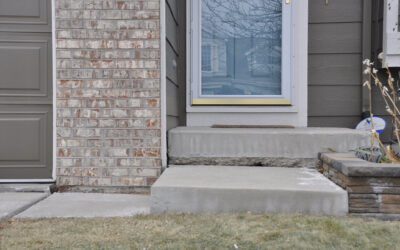
If you’ve noticed that sections of your sidewalk are uneven or that one side has sunken lower than the other, your concrete could be settling. When concrete settles, the foundation of your structure is at risk, as well as your safety and the safety of others walking on your property. At Liftech, we’ve helped hundreds of people successfully repair their concrete patios, driveways, sidewalks, and stoops after concrete settlement. Below are a few of the most common causes of concrete settlement that we’ve seen in Colorado.
Poorly Compacted Soil
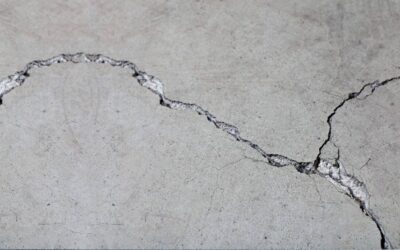
When homes and commercial buildings are being constructed, layers of soil are added or shifted to the foundation to ensure proper surfacing for the site. The soil that was used during the construction of your property can have a huge effect on your building structure and safety. As the soil absorbs water and eventually dries out, it can grow and shrink in size. Since the soil under your home has nowhere to go but up, poorly compacted soil can elevate and shift different parts of your home every day by mere fractions of an inch. While this might not sound like a huge deal, if the front of your house is being pushed up by expanding soil while the back isn’t, it can put unwanted stress on your home’s foundation. Not only will parts of your home rest on uneven levels, but this added pressure can also cause the concrete slabs that your home was built on to crack.
It’s important to note that every home will settle a little bit after construction, however, if your home was built on unstable or improperly compacted soil, it could settle more than you’d like. In some extreme cases, our specialists have seen homes settle by as much as a foot or more!
Maturing Trees & Vegetation
When a home or business is in close proximity to mature trees, bushes, or other types of vegetation, concrete settlement can occur. When trees and vegetation begin to mature, their underground root system, along with their demand for water, continues to grow as well. The root system growing underneath your property will pull water from the soil around your structure, causing it to dry out and shrink over time. Keep in mind that foundations that are closer to the earth’s surface are more affected by soil dehydration than other basement-level foundations.
If you feel your home or property could be suffering from concrete settling, contact the experts at Liftech today. When you call our concrete repair specialists, we’ll schedule a convenient time to visit your home to conduct a thorough walkthrough of your property. Once we have an understanding of the cause of your concrete settlement, we’ll discuss the best concrete repair solutions for you.
Changes In Moisture or Flooding
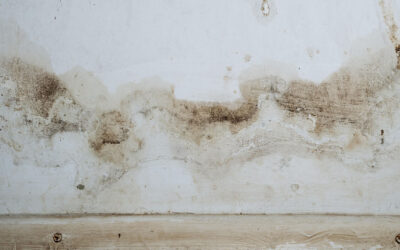
Foundation settlement can occur when there is both a lack of moisture or an excess amount of moisture within the soils under your structure. When there is a buildup of moisture due to flooding, your foundation soil will slowly start to saturate. This can turn your soil into soft, weak clays and silts. When soil becomes too moist, it loses its load-bearing capabilities, causing your foundation to sink and settle.
On the other hand, increased moisture within foundation soil is often a cause of poor surface drainage around the structure. This can be caused by leaks in your home’s water lines or other plumbing issues. If your home was constructed with soils that are high in clay content, they will most likely shrink as they lose moisture. This can greatly decrease the amount of soil under your home, causing concrete slabs to settle and crack.
Concrete 08Raising Experts In Colorado
Whether you’ve started to notice hairline cracks in your home’s foundation or the sidewalk outside your home has become uneven, it’s important to have your concrete inspected by a professional. Liftech is proud to be a leading provider of concrete foundation and settlement repair throughout Denver, Colorado Springs, and Boulder. We specialize in a variety of concrete raising services for basements, driveways, garage doors, porches, sidewalks, and highways. Request An Estimate online or contact us today to schedule an appointment!