Why Get Early Foundation Inspections?
Quick Summary:
- Colorado’s freeze-thaw cycles, expansive soils, and temperature swings mean foundation problems progress faster on the Front Range than in more stable climates, making early inspection more consequential here than elsewhere.
- Small signs like hairline cracks, sticking doors, gaps in trim, and concrete pulling away from the house each have a specific larger problem they become if left uninspected through another seasonal cycle.
- A foundation inspection makes sense beyond visible damage, including before buying or selling, after a hard winter or dry summer, when a neighbor has had foundation work done, when a home is three to seven years old, and before a major renovation.
- Catching a problem early gives a specialist more options and a simpler path to a fix. The same problem after two or three more seasonal cycles has progressed further and the repair reflects it.
- Liftech offers free inspections across the Colorado Front Range, with estimators trained to identify whether a repair is needed at all, not just what repair to sell.
Colorado Foundation Inspections: Why Earlier Is Always Better
Most foundation inspections get scheduled too late. By the time a Colorado homeowner calls, a crack that started small has widened through two winters, or a door that started sticking has been that way long enough that the framing around it has shifted further out of square. The repair at that point is more involved than it would have been a year earlier.
Colorado’s conditions make this timing problem more consequential than it is in other parts of the country. The soil here is reactive, the temperature swings are significant, and the seasonal cycle puts consistent stress on foundations year round. A problem that might stay stable for years in a milder climate can progress quickly on the Front Range.
What Colorado Puts Your Foundation Through
Winter drives frost deep into the ground, expanding the soil and shifting anything sitting in it. Spring brings rapid snowmelt that saturates the ground faster than it can drain, putting pressure against foundation walls and pushing water toward any crack or gap it can find. Summer dries the soil out, sometimes dramatically, leaving voids beneath slabs and around footings that weren’t there in April. Then the cycle starts again.
The soil itself adds to the pressure. Bentonite clay is common throughout the Front Range, and it is one of the more reactive soil types a foundation can sit on. It swells significantly when wet and shrinks when dry, and that movement isn’t uniform across a foundation footprint. One section of footing can be pushed while another is settling, and the structure above reflects that unevenness in ways that accumulate over time.
Older homes on the Front Range carry the record of every cycle they have been through. A house that has absorbed twenty or thirty years of freeze-thaw movement, soil expansion, and drought contraction has foundations that have been working harder than they appear from inside. New construction isn’t immune either. Many Front Range developments were built on graded hillsides or compacted fill that behaves differently than undisturbed soil, and foundations on those lots can start showing stress within the first few years.
Small Signs, Big Problems: What Early Foundation Damage Looks Like in Colorado
Catching a foundation problem early changes what the repair looks like. A crack that gets repaired at six months is a different job than the same crack at two years, and the gap between those two outcomes is usually just a homeowner who wasn’t sure it was worth a call yet.
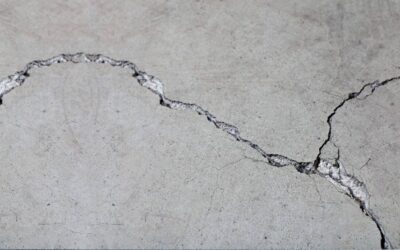
A Crack in a Foundation Wall Can Become a Bowed Wall
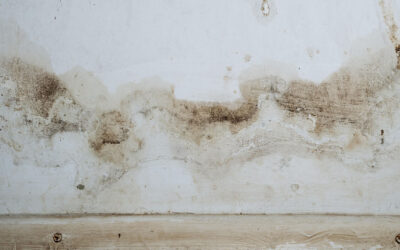
Water works into a foundation crack through wet seasons and freezes in winter. The crack widens. Moisture builds behind the wall. Given enough cycles, a wall that has a crack becomes a wall that is bowing inward under the pressure of saturated soil pushing against it.
A Sticking Door Can Become a Settled Foundation
A door that fit its frame last year and binds this summer is recording foundation movement below it. That movement doesn’t stop between seasons. A home with one sticking door and a foundation that hasn’t been looked at has more sticking doors in its future, along with uneven floors and cracks in the walls that follow sustained settlement across a wider section of the foundation.
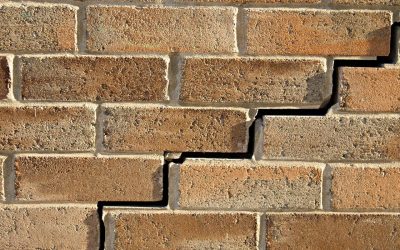
Gaps in Trim Can Become Cracks in the Foundation
Trim separates from walls when different parts of the structure are moving independently. A gap that was a hairline last fall and is wider this spring is active movement. Active movement that goes uninspected long enough shows up next in the drywall, and after that in the foundation wall itself.
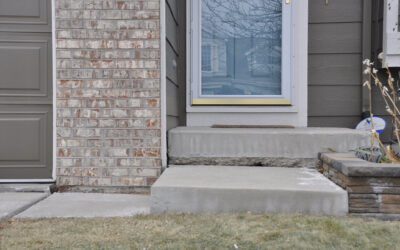
Concrete Pulling Away From the House Can Become a Full Replacement
A slab that has separated from the foundation is losing soil contact underneath it. That gap funnels water against the foundation through every rain and every snowmelt. The slab drops further each season, develops stress fractures under uneven load, and what could have been lifted becomes too cracked and uneven to save.
When a Foundation Inspection Makes Sense Even If Nothing Looks Wrong
Visible damage isn’t the only reason to schedule a foundation inspection. There are situations where getting a clear picture of what’s happening below the surface is worth doing regardless of what the house looks like from inside.
Before buying or selling a home. A foundation inspection before listing gives a seller accurate information and removes uncertainty from the transaction. For buyers, it’s one of the more consequential things a standard home inspection doesn’t cover in depth. Colorado’s soil conditions mean two similar homes on the same street can have very different foundation histories.
After a particularly hard winter or dry summer. A winter with deep frost penetration or a summer that ran unusually dry puts more stress on foundations than a typical year. An inspection in the aftermath gives a homeowner a baseline for what that season produced before the next one adds to it.
When a neighbor has had foundation work done. Foundations in a neighborhood tend to sit on similar soil with similar drainage patterns. A neighbor’s repair isn’t a guarantee of a problem next door, but it’s a reasonable prompt to find out what the same conditions have produced under your house.
When a home is three to seven years old. New construction on the Front Range often sits on compacted fill or graded hillside lots that continue to settle in the first several years. That window is when early movement is most likely to show up, and catching it before it progresses is exactly what a proactive inspection is for.
Before refinancing or making a major renovation. A foundation issue discovered mid-renovation is a more disruptive conversation than one identified beforehand. An inspection before a significant project gives a homeowner complete information going in.
How Liftech Approaches Foundation Inspections on the Front Range
Liftech has been inspecting and repairing foundations across the Colorado Front Range for decades, and their estimators are trained to identify not just what is failing but whether a repair is needed at all. That last part matters. A homeowner who calls with a concern and gets an honest answer that nothing requires immediate attention is in a better position than one who gets sold a repair they don’t need.
Every inspection is free and comes with a clear explanation of what the specialist found. Liftech doesn’t use mudjacking, relying instead on polyurethane foam lifting for concrete work and proven structural systems for foundation repair. Their service area covers the full Front Range along I-25, from the Wyoming border south through Colorado Springs, with extended service available across the state.
Homeowners looking to verify Liftech’s standing before scheduling can review their Better Business Bureau profile before reaching out. The free estimate is the lowest-cost way to find out what the foundation is actually doing before another Colorado winter adds to it.
Don't Wait for a Problem to Get Bigger
The best time to call Liftech is before you’re certain something is wrong. A free inspection costs nothing and gives you a clear picture of what your foundation is dealing with before another season changes the answer.
Request a free estimate and find out where things stand.