Is Sunken Concrete a Safety Liability?
Quick Summary
- Sunken concrete becomes a trip hazard when the height difference between panels reaches half an inch or more.
- The risk is highest for older adults, children, and visitors who aren’t familiar with the hazard.
- A tilted slab, pooling water, or icy conditions around settled concrete compound the danger beyond the height difference alone.
- Concrete that has settled but is otherwise structurally sound is typically a good leveling candidate rather than a replacement job.
- A professional estimate is the fastest way to know which situation you’re dealing with.
Is Sunken Concrete a Safety Liability? What Homeowners Need to Know
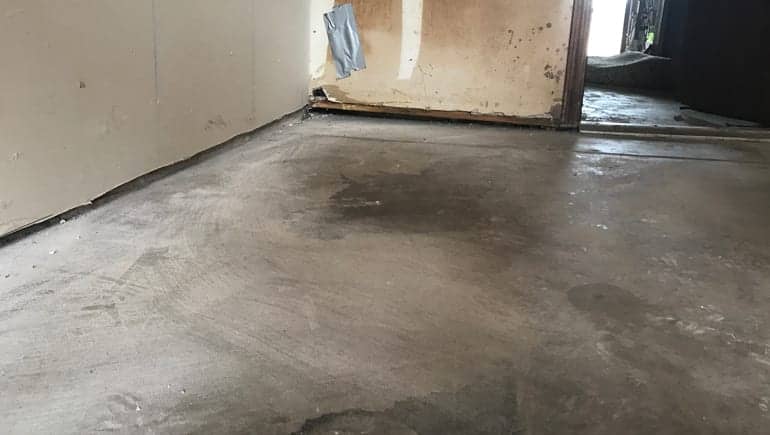
A sunken slab on a driveway or sidewalk can look like a minor cosmetic issue right up until someone trips on it. The edge of a settled concrete panel that’s dropped even an inch creates a ledge that’s easy to miss, especially in low light or when someone is carrying something. For Colorado homeowners, that kind of hazard sits on property they own, and the question of who’s responsible when someone gets hurt is one worth understanding before an incident happens rather than after.
Sunken Concrete Creates Trip Hazards in the Places People Walk Most
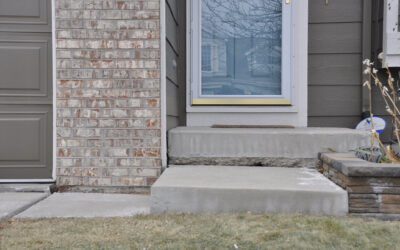
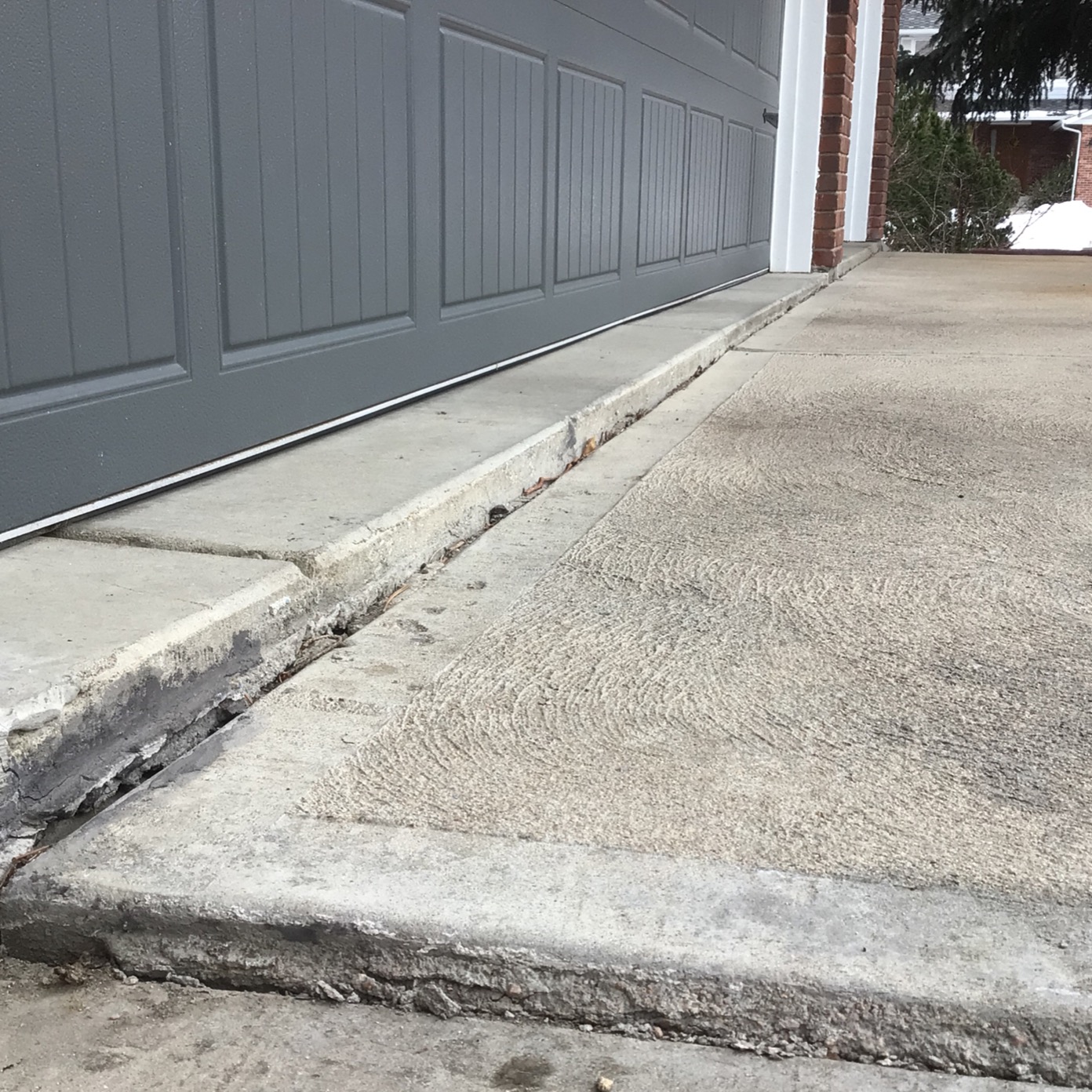
The areas where settled concrete causes the most problems are the same areas that get the heaviest foot traffic. Sidewalks leading to a front door, driveway aprons, porch steps, and patio edges are all places where people walk without thinking about what’s underfoot. A height difference between two concrete panels doesn’t have to be dramatic to cause a fall. A half-inch lip at the edge of a settled slab is enough to catch a toe, particularly for older adults or anyone not watching the ground closely.
Driveways present a different but related hazard. Settled slabs near garage entrances create uneven surfaces that can catch wheels, cause ankle rolls when someone steps out of a vehicle, and create drainage problems that add ice to the equation in Colorado winters. The hazard isn’t always obvious until conditions are right to make it dangerous. Driveway leveling addresses the settled panels directly rather than waiting for a problem to develop.
How to Tell When Sunken Concrete Has Crossed From Cosmetic to Hazardous
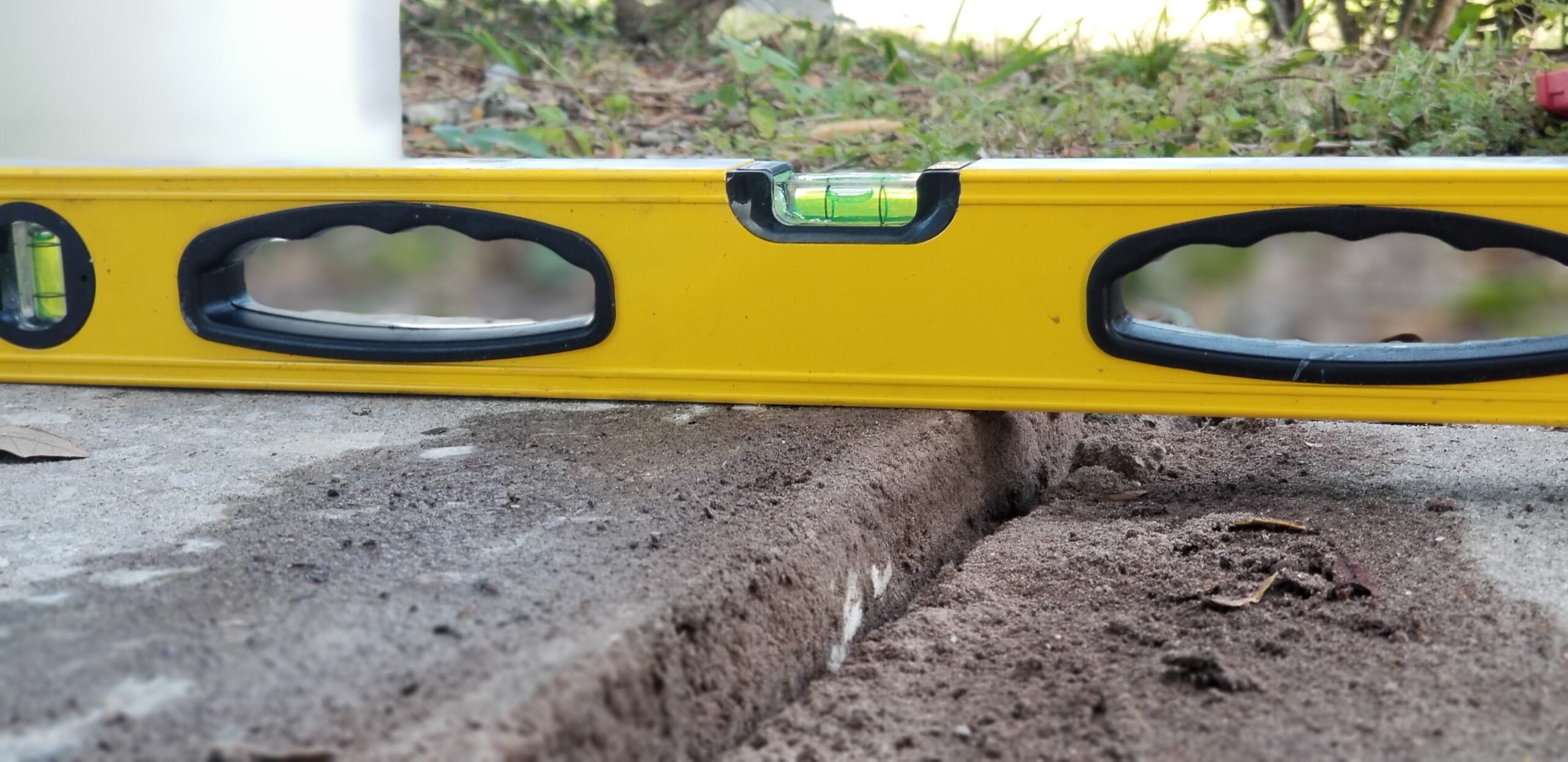
Not every settled slab is an immediate safety concern, but there are specific thresholds where the risk becomes hard to ignore. A height difference of half an inch or more between two panels is generally where a crack or gap transitions from something people notice to something people trip on. The edge becomes a ledge, and a ledge that’s in a high-traffic area is a fall waiting to happen.
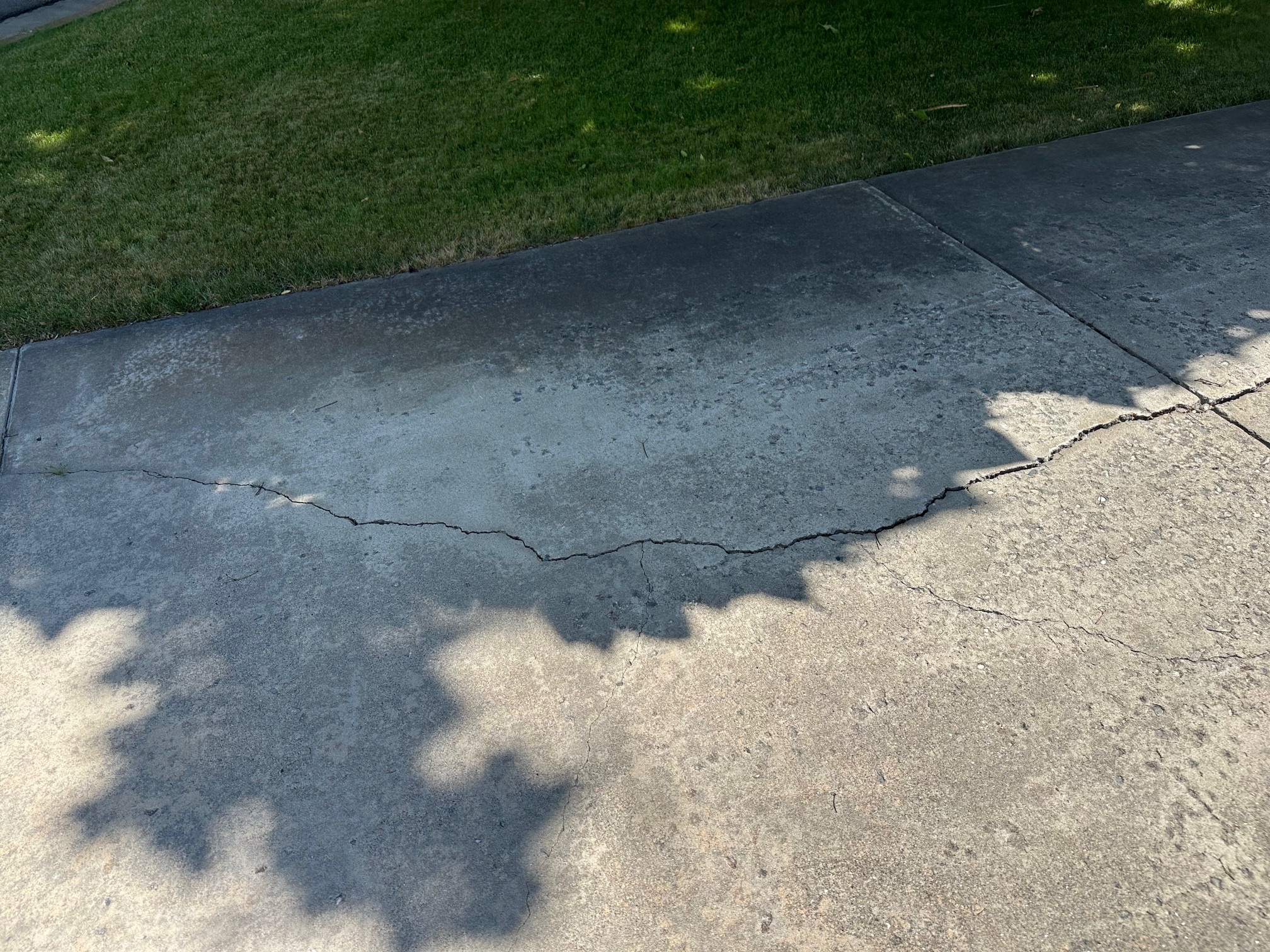
Beyond the height difference, look at the angle of the settled slab. A panel that has dropped evenly across its surface is a different situation than one that has tilted, creating a slope that redirects foot traffic toward the raised edge. Water pooling on or around the settled panel is another sign the situation has moved past cosmetic. Standing water means drainage has been disrupted, which in Colorado winters means ice, and an icy uneven surface is significantly more dangerous than a dry one.
Certain Visitors Face a Higher Risk Than Others
A trip hazard that an able-bodied adult navigates without incident can be genuinely dangerous for someone else. Older adults are at significantly higher risk from falls on uneven surfaces, and a stumble that results in a minor bruise for one person can mean a serious injury for another. Children running toward a front door or across a patio aren’t watching the ground. Delivery workers carrying packages can’t always see what’s underfoot.
This matters because the people most likely to encounter a hazardous surface aren’t always the homeowner. Guests, service workers, neighbors, and anyone else who walks your property regularly are all exposed to the same uneven concrete you’ve learned to step around. The familiarity a homeowner develops with a known hazard on their own property doesn’t extend to everyone who visits. Concrete leveling eliminates the hazard rather than managing it.
Leveling vs. Replacing Sunken Concrete
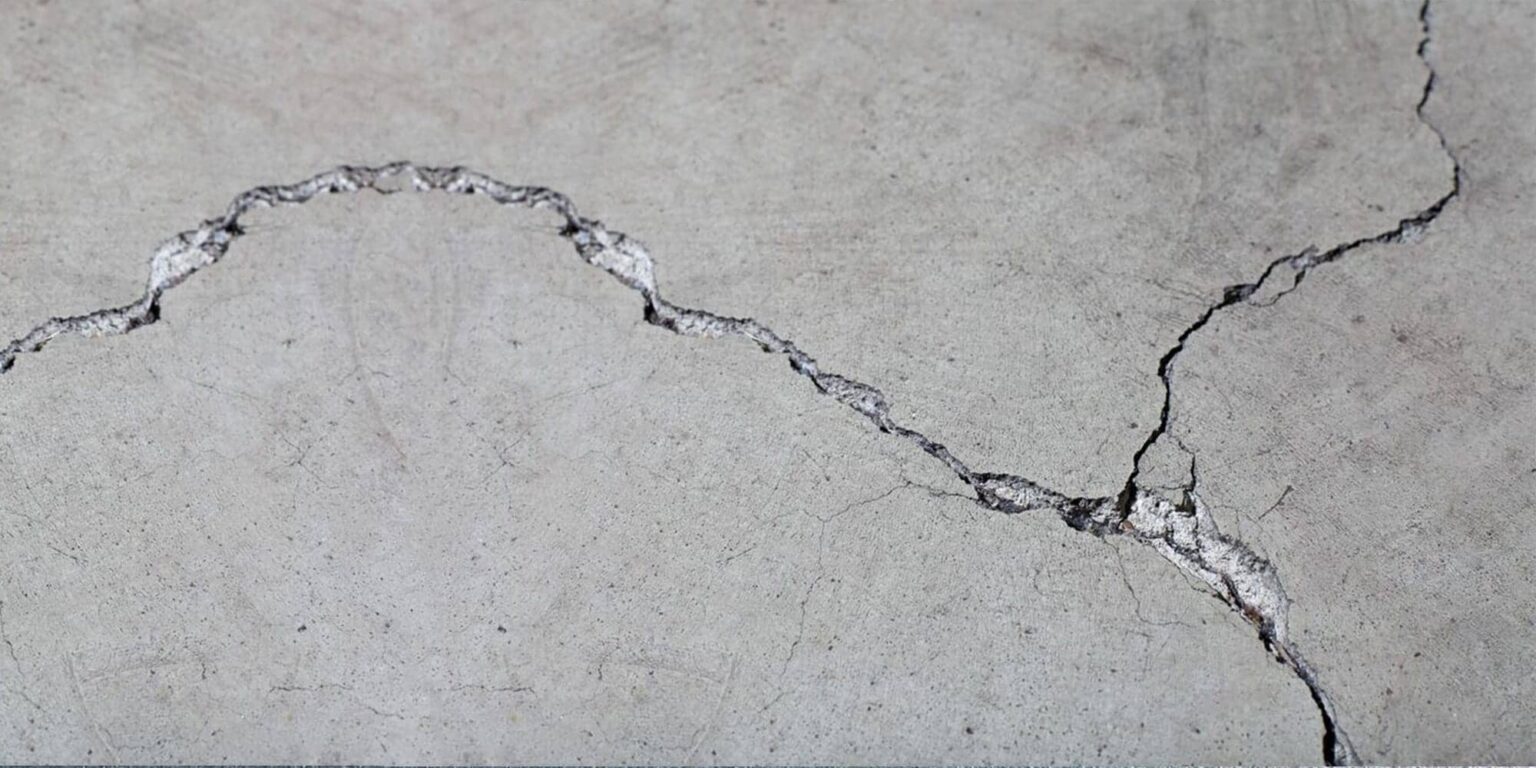
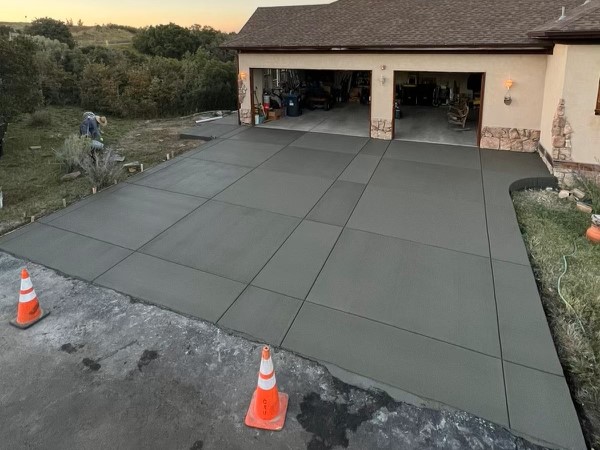
Replacement is the right answer in some situations, but it’s not the automatic one. Concrete that has settled but is otherwise structurally sound, meaning it isn’t severely cracked, crumbling, or deteriorated beyond repair, is typically a good candidate for leveling. The process fills the void beneath the slab and lifts it back to its original position, restoring a flush surface without the cost and disruption of tearing out and pouring new concrete.
Replacement makes more sense when the slab itself has deteriorated to the point where lifting it wouldn’t produce a usable surface. Concrete that is heavily cracked across multiple panels, spalling badly, or has been patched repeatedly without lasting results is often better removed and replaced. An estimate from a qualified contractor will tell you which situation you’re dealing with. For slabs that are good leveling candidates, concrete leveling services restore the surface at a fraction of the cost of new concrete and without the curing time that comes with a fresh pour.
Request a Free Concrete Leveling Estimate
Sunken concrete around your home is worth addressing before it becomes a more serious problem. Whether it’s a driveway, walkway, porch, or patio, a professional evaluation will tell you whether leveling is the right fix and what it will take to restore a safe, even surface. Request a free estimate with Liftech and get a clear answer on what your concrete actually needs.