Concrete Repair vs. Replacement: Which Is Right for You?
Quick Summary For Efficient Readers
- Polyurethane foam lifting works by filling voids and compacting soil beneath a settled slab, restoring support without removing the concrete
- Lifting is worth considering when the concrete itself is structurally sound and the problem is settlement caused by soil movement beneath it
- Replacement may make more sense when concrete is severely cracked, crumbling, heaved by roots or frost, or deteriorated beyond what lifting can address
- No surface observation is a substitute for a professional assessment; the condition beneath the slab matters as much as what you can see on top
- Working with a company that offers both options means the recommendation is based on your situation, not on what they happen to sell
Should You Repair or Replace Your Concrete?
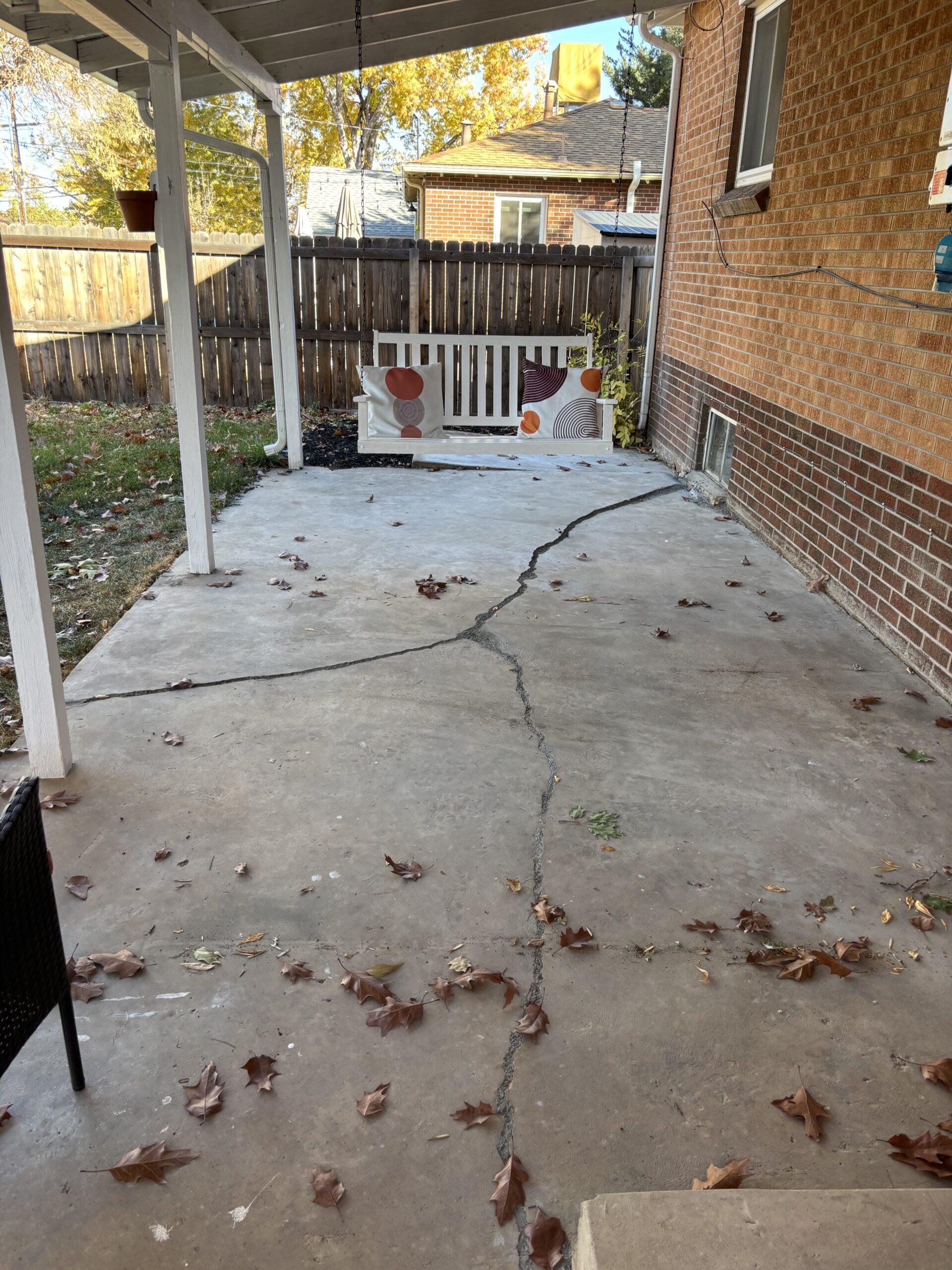
The slab has been sinking for a while now. Maybe it’s a driveway panel that catches your tire every time you pull in, a sidewalk section that’s become a tripping hazard, or a patio that’s tilted enough to send rainwater toward the house. At some point the question stops being whether to do something about it and starts being what to do. Lift it or tear it out?
That’s not always an easy call to make from the driveway. The right answer depends on what’s actually happening beneath the slab, and that’s not something a homeowner can fully assess from the surface. What you can do is understand the factors that generally point one direction or the other, so you’re walking into an estimate with a reasonable picture of your situation rather than starting from zero.
How Polyurethane Foam Lifting Works
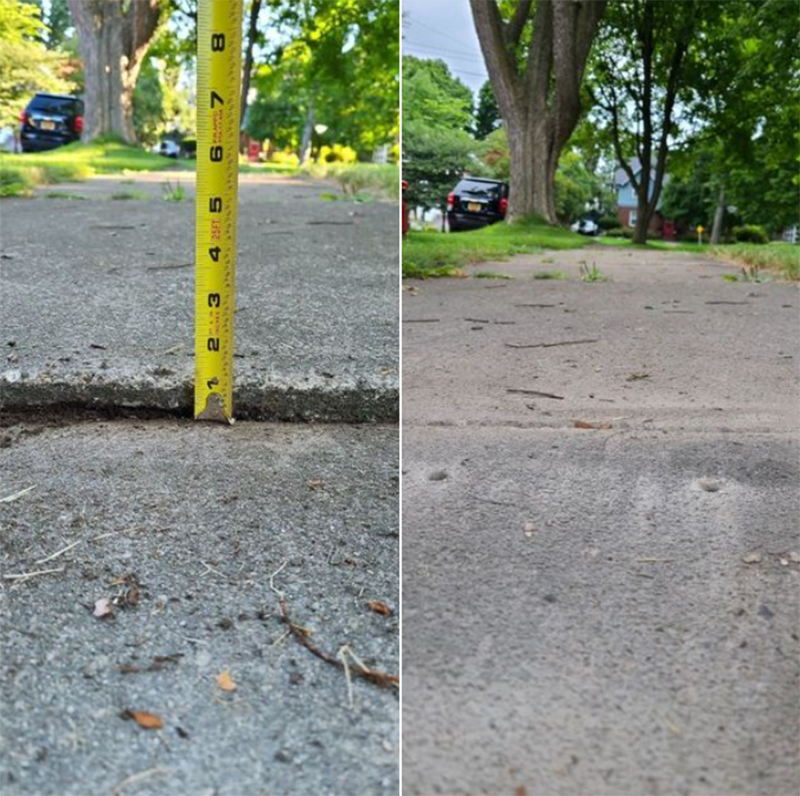
Polyurethane foam lifting addresses sunken or settled concrete by treating what’s happening beneath it. When a slab sinks, it’s usually because the soil underneath has shifted, eroded, or compacted over time, leaving a void or a soft spot that can no longer support the weight above it. The slab itself may be perfectly intact. The problem is the ground it’s sitting on.
The process involves drilling small holes through the slab, typically around the size of a penny, and injecting expanding polyurethane foam underneath. As the foam expands, it fills voids, compacts loose soil, and lifts the slab back toward its original position. The foam cures quickly, the holes are patched, and the slab is ready to use within a short time. There’s no heavy equipment tearing up the yard, no curing period measured in days, and no need to remove and dispose of the existing concrete.
What lifting addresses is a support problem. It stabilizes the slab by restoring what was missing beneath it. What it doesn’t address is the condition of the concrete itself. A slab that has settled because the ground gave way is a very different situation from one that has crumbled, fractured severely, or been physically displaced by something pushing up from below. Understanding that distinction is the starting point for figuring out which path makes sense for your concrete.
When Polyurethane Foam Lifting Is Worth Considering
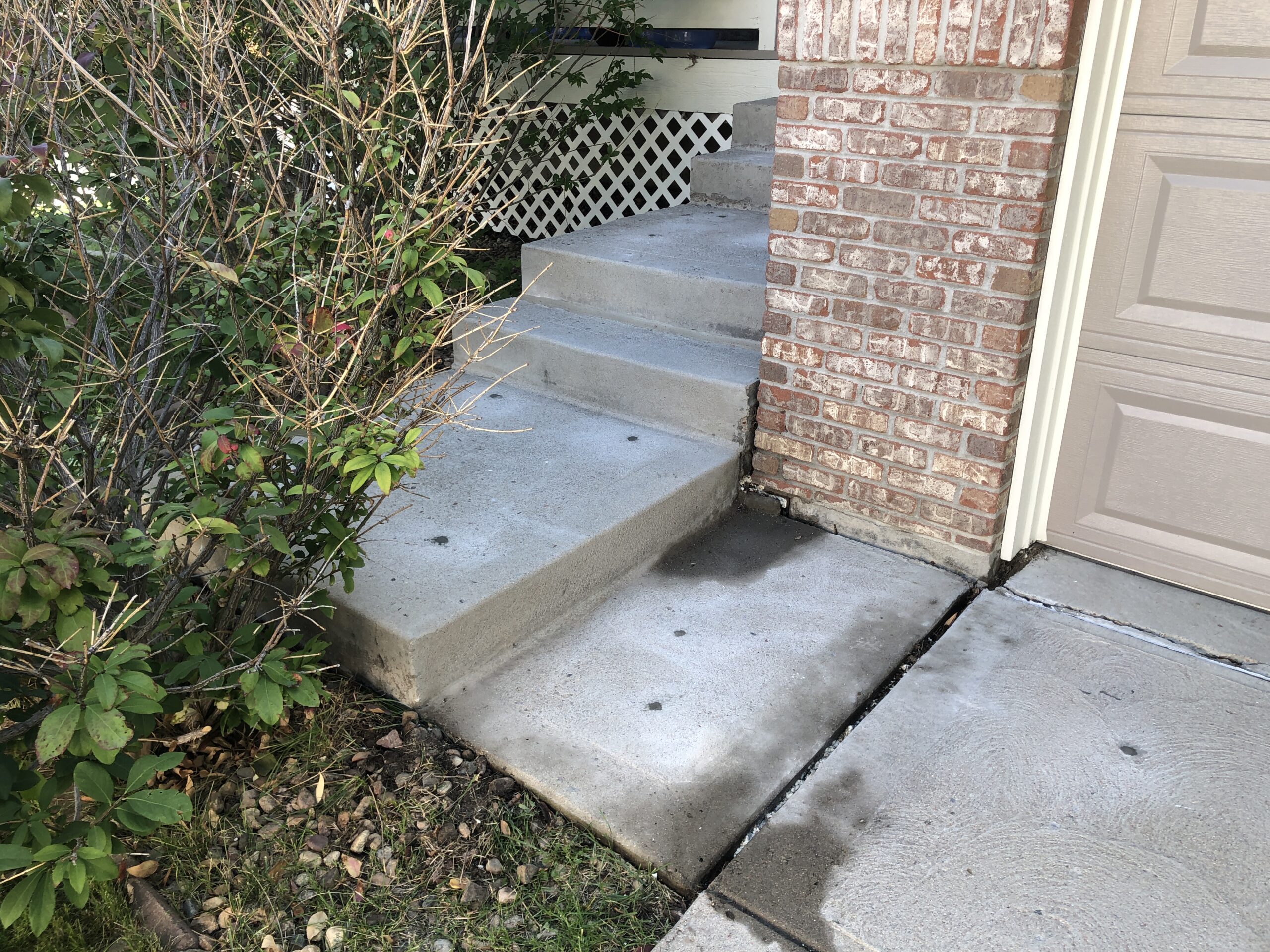
Lifting tends to be a strong candidate when the concrete itself is in reasonable structural condition and the problem is primarily one of settlement. If the slab has sunk but is still largely intact, the underlying cause may be addressable without removing what’s already there.
There are a few situations across different concrete types where lifting is commonly considered:
Driveways: Individual panels that have dropped relative to their neighbors, creating lips or uneven transitions, are often candidates for lifting. If the driveway concrete is sound and the settlement is due to soil movement beneath a specific section, restoring the grade may be achievable without replacement.
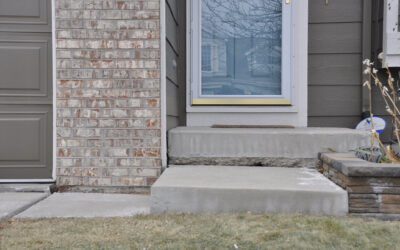
Sidewalks and walkways: Sections that have settled and created trip hazards are among the most common applications for foam lifting. A sidewalk panel that has dropped an inch or two due to soil erosion or compaction underneath may lift back into place cleanly.
Patios and pool decks: Settled patio slabs that are directing water toward the house or creating drainage problems are worth having assessed. If the concrete is otherwise in good shape, lifting and re-leveling may address the drainage issue without a full tear-out.
Garage floors: Settled garage floor sections near the door or along the perimeter, where soil tends to erode or compact over time, are situations where lifting is sometimes the right approach.
Basement floors: Sections of the basement floor that have dropped or shifted due to voids beneath the slab may also be candidates, depending on the extent and cause of the movement.
In each of these cases, the condition of the concrete and the nature of what’s happening below it are what determine whether lifting is viable. An inspector can assess both.
When Replacement May Be the Better Option
There are situations where the concrete itself is the problem, not just the ground beneath it. When that’s the case, lifting the slab may not fully resolve what’s going on, and replacement could be worth considering.
A few conditions that may point toward replacement rather than lifting:
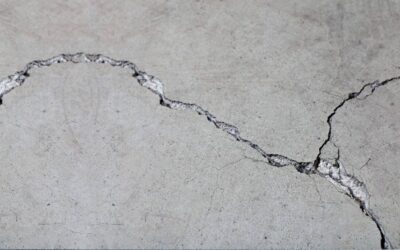
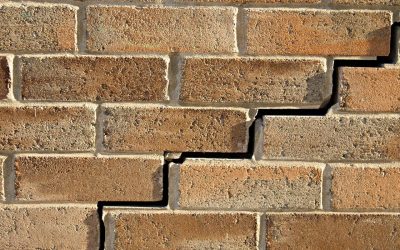
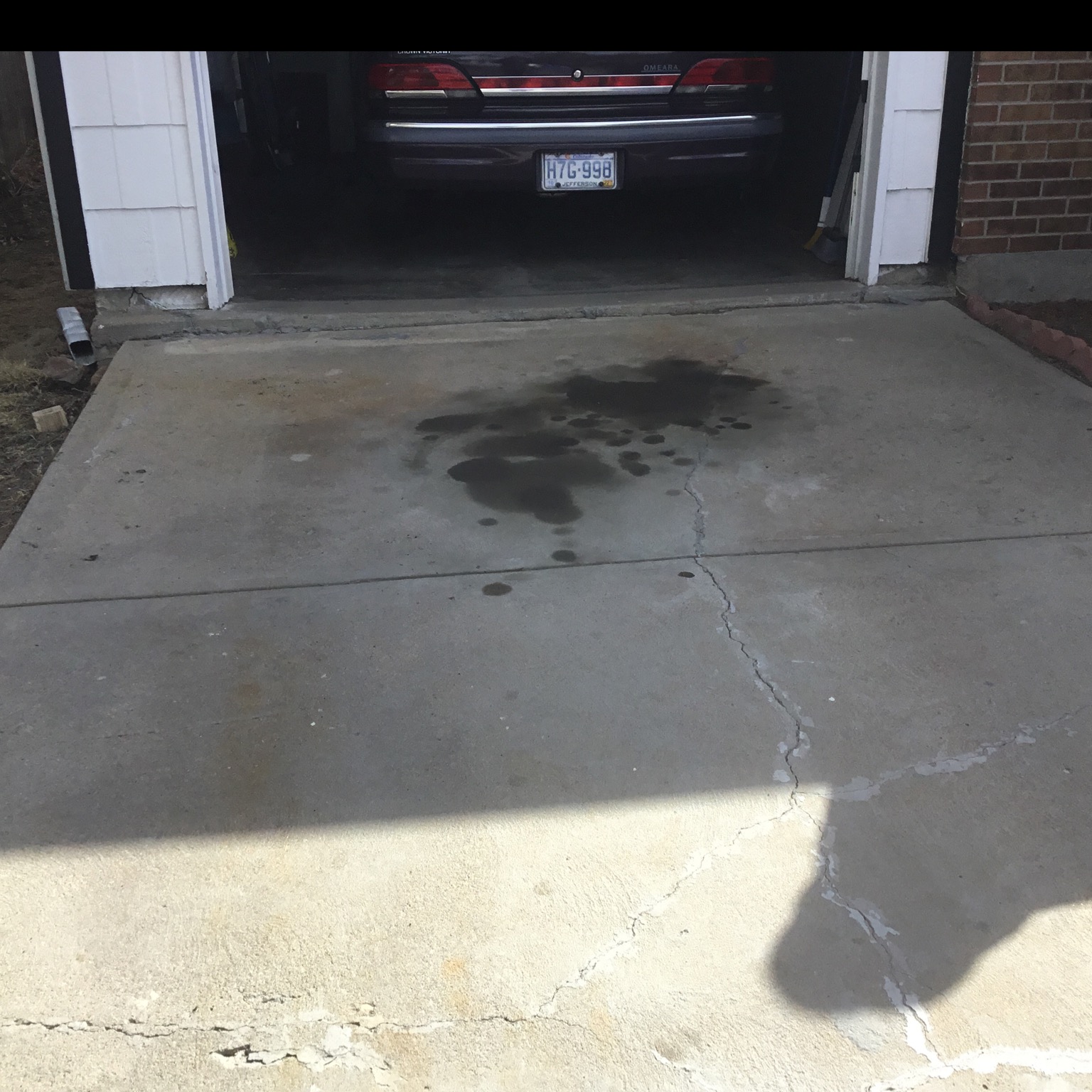
Severe cracking or crumbling: Concrete that has deteriorated significantly through freeze-thaw cycles, age, or surface failure may not hold up well under the lifting process. Cracks that run through the full depth of the slab, or sections that are breaking apart rather than simply settling, may indicate the material itself has reached the end of its useful life.
Heaving: Unlike settlement, where the slab sinks, heaving is when concrete pushes upward. This is often caused by tree roots growing beneath the slab or by frost in colder climates. Lifting addresses voids and settlement; it doesn’t resolve the force that’s actively pushing the concrete up. Heaved concrete may need to come out so the underlying cause can be addressed directly.
Significant surface deterioration: Spalling, scaling, or widespread surface breakdown can indicate that the concrete has degraded beyond what lifting alone would improve. The slab might be raised back to grade, but the surface condition would remain.
Extreme displacement: Panels that have shifted horizontally as well as vertically, or sections where the movement is severe enough that the slab is no longer a reasonable starting point, may be past what lifting can address.
None of these conditions are a definitive verdict on their own. An inspector looking at the full picture, including what’s happening beneath the slab, is better positioned to determine whether replacement is actually necessary or whether lifting is still viable.
How to Read What Your Concrete Is Telling You
Before an inspector arrives, it’s worth taking a closer look at what you’re actually dealing with. You won’t be able to determine the right solution from the surface alone, but you can note what you’re seeing and ask better questions when someone comes out.
Start by observing how the concrete has moved. A slab that has dropped evenly relative to the sections around it is a different situation from one that has cracked apart, tilted sharply, or shifted in multiple directions. Note the extent of the movement as best you can and whether it seems to be isolated to one area or spread across a larger section.
Look at the cracking closely. Hairline cracks and minor surface cracking are common in older concrete and don’t necessarily signal a serious problem. Cracks that run the full width of a panel, that have widened over time, or that show one side sitting higher than the other are worth pointing out specifically when someone comes to assess it.
Also note whether anything appears to be pushing up rather than sinking. Raised edges or sections that sit higher than their neighbors may suggest something other than simple settlement is involved. And if you’ve noticed the concrete actively changing over a short period rather than having shifted years ago and stayed put, that’s relevant context for an inspector as well.
Finally, take stock of what’s around the slab. Large trees, recent changes in drainage, or nearby construction can all be contributing factors. None of this adds up to a diagnosis, but it gives an inspector useful context and helps make sure nothing obvious gets missed.
Get an Assessment From a Company That Offers Both
The clearest advantage of working with a contractor who offers both polyurethane foam lifting and full concrete replacement is that the recommendation isn’t predetermined. A company that only does one or the other has a reason to steer you toward what they sell. When both options are on the table, the assessment can be honest about which one actually fits your situation.
Liftech has completed more than 14,000 repairs across the Colorado Front Range, working on driveways, sidewalks, patios, garage floors, basement floors, and more. Their estimators are trained to evaluate both the concrete and what’s happening beneath it, and they offer free estimates with no obligation. Whether lifting turns out to be the right call or replacement makes more sense, you’ll get a straight answer about what your specific slab actually needs.
Request a free estimate and find out where your concrete stands.