Quick Summary
- Colorado’s freeze-thaw cycles break down soil compaction all winter, weakening the base beneath concrete slabs before spring even arrives
- When snow melts, large volumes of water enter the ground faster than clay soil can drain it, forming voids beneath slabs
- Spring rain falls on ground that is already saturated from snowmelt, compounding the problem through the entire wet season
- Poor drainage around the property concentrates water exactly where slabs are most vulnerable, accelerating settlement
- Settled concrete will not correct itself over summer. Voids stay empty, slopes stay wrong, and the repair scope grows with every season you wait
- Liftech uses polyurethane foam lifting to raise settled slabs and stabilize the soil beneath them, typically in a single day
Why Does Concrete Sink Faster in Spring?
You probably didn’t think much about your concrete over the winter. But if you’re stepping outside this spring and noticing that a slab has dropped, a crack has widened, or a panel that used to sit flush is now catching your foot, you’re not imagining it. Concrete does tend to move more noticeably in spring, and there are specific reasons for that on Colorado’s Front Range. The soil here, the winters here, and the way water moves through both of them create conditions that are harder on concrete slabs than most homeowners realize until the evidence shows up at their feet.
What Freeze-Thaw Cycles Do to Soil Before Spring Arrives
Colorado’s Front Range goes through repeated freeze-thaw cycles every winter, and the damage they do to soil is cumulative. Each time the ground freezes, moisture in the soil expands as it turns to ice. Each time it thaws, that soil contracts again. Over a full winter, that cycle can happen dozens of times, and the repeated expansion and contraction gradually breaks down the compaction that holds soil in place under a concrete slab.
By the time temperatures stabilize in spring, the base layer beneath your driveway, sidewalk, or patio may have lost significant density compared to when the concrete was first poured. The slab itself hasn’t changed, but the ground supporting it has. When the soil finally thaws completely and meltwater starts moving through it, there is far less resistance to settlement than there was in October.
Uneven thawing makes this worse. Surface soil warms first while deeper layers stay frozen longer. That frozen layer acts as a barrier, trapping meltwater above it with nowhere to go. The upper soil becomes saturated, and saturated clay loses much of its load-bearing capacity. A slab that held its position all winter can begin to drop in April simply because the ground beneath it can no longer carry the weight.
Snowmelt Saturates Soil Faster Than It Can Drain
Colorado winters can drop several feet of snow across the Front Range over the course of a season. When that melts in March and April, the volume of water entering the ground is far greater than what a typical spring rain delivers, and it arrives faster than clay soil can drain it. Under driveways, sidewalks, and garage aprons, that water collects in the void spaces beneath the slab. Where small gaps already exist from prior settlement or normal soil movement, the water fills them and accelerates the process.
Clay soil is particularly slow to drain, and the Front Range has a lot of it. When clay becomes saturated, it holds water rather than passing it through, which means the ground beneath your concrete can stay wet and weakened for weeks after the snow is gone. The longer it stays saturated, the more the soil shifts under load, and the more opportunity there is for voids to form beneath the slab.
Rain Adds to What Snowmelt Already Started
Snowmelt alone is enough to saturate Front Range soil, but spring in Colorado doesn’t stop there. March and April bring some of the wettest weather of the year, and that rain is falling on ground that has already been through a full winter of freeze-thaw damage and is still working through the meltwater from the snowpack. The soil has little capacity left to absorb more water by the time the first spring storms arrive.
That timing matters. Rain falling on dry summer soil moves through it differently than rain falling on clay that is already at or near saturation. In spring, water that might otherwise absorb harmlessly instead pools on the surface, runs along the underside of slabs, and finds its way into any void or gap in the base layer. Each rain event adds to what the previous one started, and the cumulative effect on already-weakened soil can be significant by the time the wet season passes.
What to Look for on Your Property This Spring
Spring is a good time to walk your flatwork before the next round of rain arrives. Concrete settlement leaves specific, readable signs, and catching them early gives you more options. A slab that has dropped can usually be lifted and stabilized. One that has been left to settle further, with water following the new slope season after season, becomes a more involved repair. Here’s what to look for:
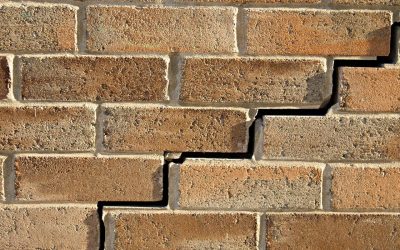
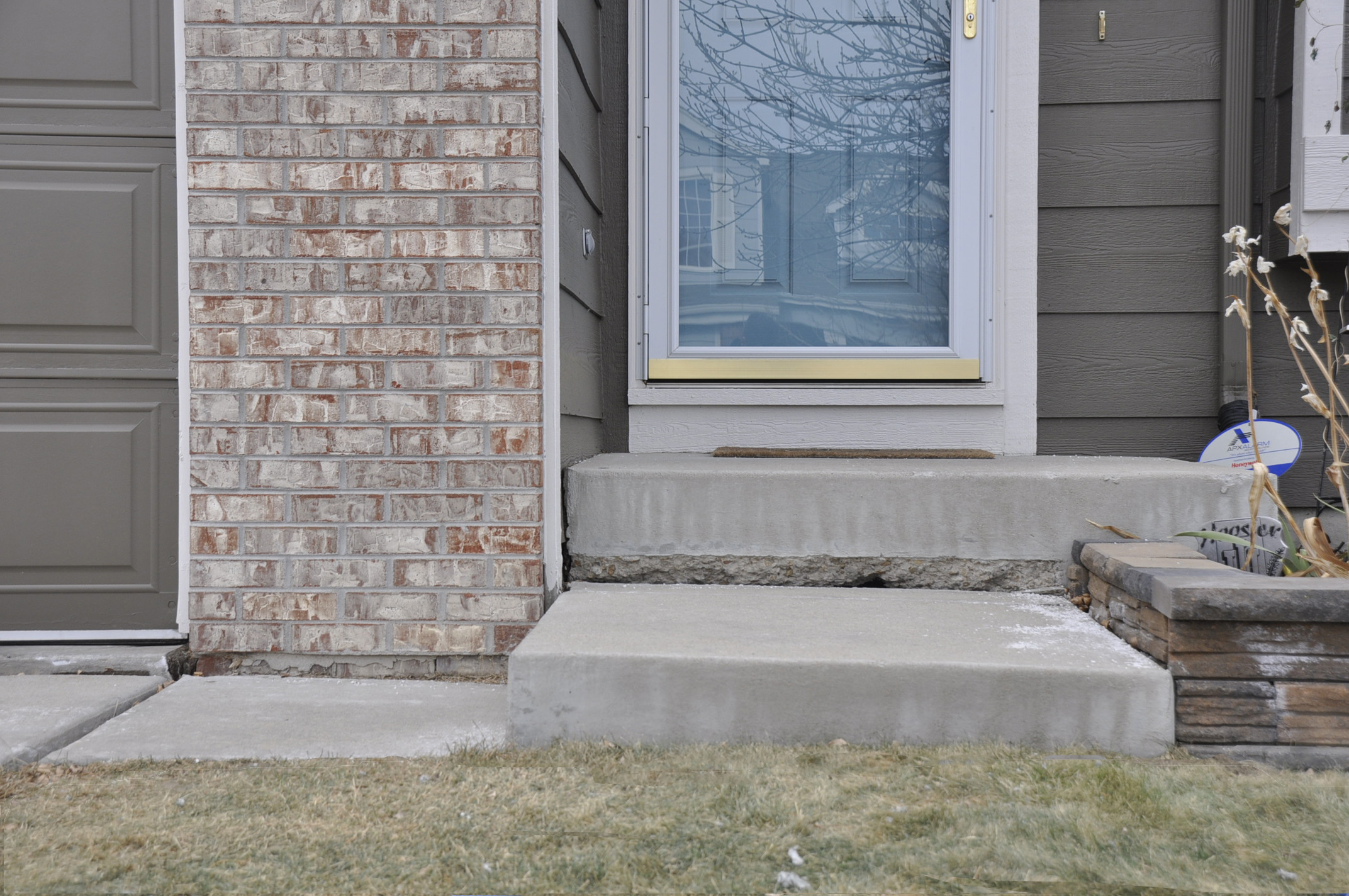
- A panel that sits lower than its neighbor, even by half an inch, indicates the soil beneath it has moved
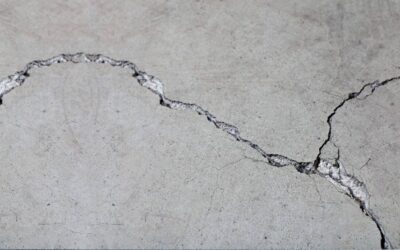
- Cracks along control joints that have widened since last fall, particularly ones now wide enough to catch a toe or a wheel
- A section of sidewalk or patio that rocks when you step near the edge
- The gap between your garage apron and the garage floor, which widens as the apron settles away from the structure
- Pooling water on surfaces that used to drain cleanly, which suggests the slope has changed
- A patio or walkway near the foundation that now directs water toward the house rather than away from it
Any of these on their own is worth a closer look. More than one on the same property means settlement is already underway.
Why Waiting Makes It Worse
A slab that has dropped half an inch this spring is a straightforward lift. The void beneath it is small, the soil around it hasn’t had time to erode further, and the repair is typically completed in a few hours. Leave it through summer and fall, and that same slab may have settled another inch, the void may have grown, and adjacent panels may have begun to move as the soil instability spreads. The repair scope grows with the damage.
There is also the question of what the settled concrete is doing to everything around it in the meantime. Water following a reversed slope toward the foundation over one summer is a nuisance. Over two or three summers it becomes a waterproofing problem. Addressing the concrete early is almost always less expensive than addressing the concrete plus the consequences of leaving it.
Get Your Concrete Back to Grade Before Summer
Liftech uses polyurethane foam lifting to raise and stabilize settled slabs across the Front Range. The process fills the voids beneath the concrete, lifts the slab back to grade, and gives the soil a stable base that resists further erosion. It takes hours, not days, and the surface is ready to use the same day.
If your concrete shifted over the winter, spring is the time to deal with it. Request a free estimate from Liftech and get your concrete assessed before the next round of rain arrives.