5 Signs Your Home Needs Foundation Repair
You love your home, but even if it looks perfect from the outside, there may be underlying issues that need to be addressed. For example, when the foundation needs repair, you may not notice the signs until it is too late. That is why it is pertinent to inform yourself of the early signs of foundation repair. If you can determine the issue early on, you can potentially save thousands of dollars. In this blog, we will go over some signs that your home needs foundation repair so you can catch flaws in the foundation earlier. At any point, if you want to reach out to Liftech, don’t hesitate!
1). Changes in doors or windows
Are your windows and doors not opening like they used to? Maybe they have started sticking when you shut them, or they are not fitting in the frame anymore so they cannot be closed. This is a common sign that your foundation needs repair. Even this is happening for reasons other than the foundation, it is important to address these concerns. Any gaps in your windows or doors could be raising your utility bills by causing the heat to escape.
2). Visible cracks
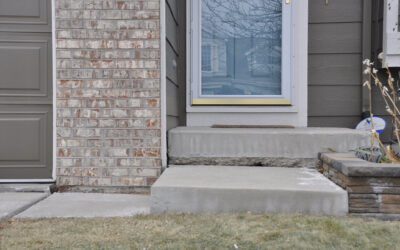
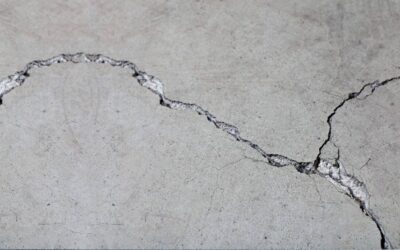
If you can see cracks on either the exterior or interior of your home, it is a clear sign of foundation problems. When you observe the exterior of your home, look for long, horizontal cracks and cracks in the steps. Vertical cracks indicate that the wall is rotating, which can also suggest an issue with the foundation. Additionally, look for interior cracking in the drywall, plaster, or even wood paneling of the walls. Also, look for cracks in the concrete basement floor, but keep in mind that this could be due to changes in the concrete, which may warrant a different type of repair.
3). Uneven floors
If your floors are uneven, this could mean that your house is settling. You can check this using a tape measure or a level. Check your floors in several different rooms and along the wall in several places. Slanted floors could also be an indication of sagging beams or joists in your home, but either way, you should address this issue.
4). Leaning chimney
If you start to notice that your chimney is leaning or cracking, it could also be an indication of issues with the foundation. In some homes, the chimney does not share a foundation with the home itself; it has its own foundation which may need repair because it was added onto the home later. However, if your home was built with a chimney and it requires repair, it is worth checking on your foundation.
5). Uneven mortar joints
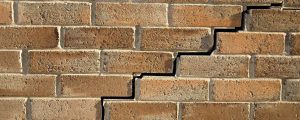
If you have a brick wall, one of the best ways to determine whether your foundation is settling or not is by measuring the mortar joints. Using a level, you can determine whether your bricks have started shifting, indicating that something is moving below them; namely, the foundation.
If you see any of these signs in your home, do not panic. These issues do not necessarily indicate a need for foundation repair, and if they do, Liftech can help. Contact us for foundation repair in the Denver metro area!