Why the Front Range Is One of the Hardest Places in the Country on Foundations and Concrete
If you have lived along Colorado’s Front Range for any length of time, you have probably noticed cracked driveways, uneven sidewalks, or sticking doors that seem to come and go with the seasons. These are not coincidences, and they are not signs of poor construction. They are the predictable result of living in one of the most geologically and climatically demanding environments for concrete and foundations in the entire country. Understanding why starts with what is underneath your home.
The Front Range Climate Makes It Worse
Expansive clay soil is problematic on its own, but the Front Range climate pushes the damage further. The corridor between Boulder and Colorado Springs experiences some of the most dramatic temperature swings in the country. A January cold snap can be followed within days by a 60-degree afternoon, sending snow and ice into rapid melt before temperatures plunge again overnight.
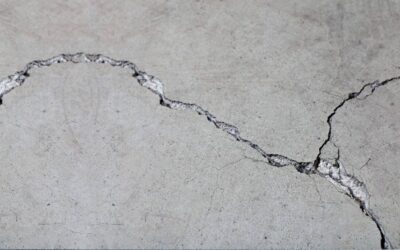
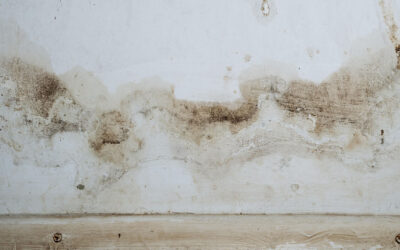
This is the freeze-thaw cycle at its most extreme. Water from snowmelt seeps into the soil and into any existing cracks in your concrete or foundation. When temperatures drop again, that water freezes and expands, widening cracks, pushing slabs out of position, and putting lateral pressure on foundation walls. On the Front Range, this can happen dozens of times between November and March.
The region also sits in a semi-arid climate zone, which means the dry summer months can be just as damaging as the wet ones. When bentonite clay dries out after a wet spring, it contracts and pulls away from foundation walls and concrete edges, creating gaps and voids that set the stage for the next round of movement when moisture returns.
What This Means for Your Home
The combination of expansive soils and extreme temperature swings produces a specific set of problems that Front Range homeowners see over and over again. Knowing what to look for can help you catch issues before they become expensive repairs.
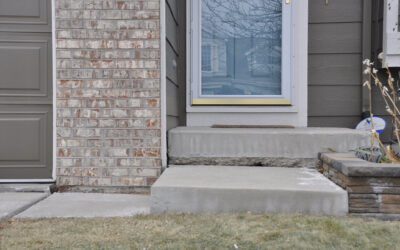
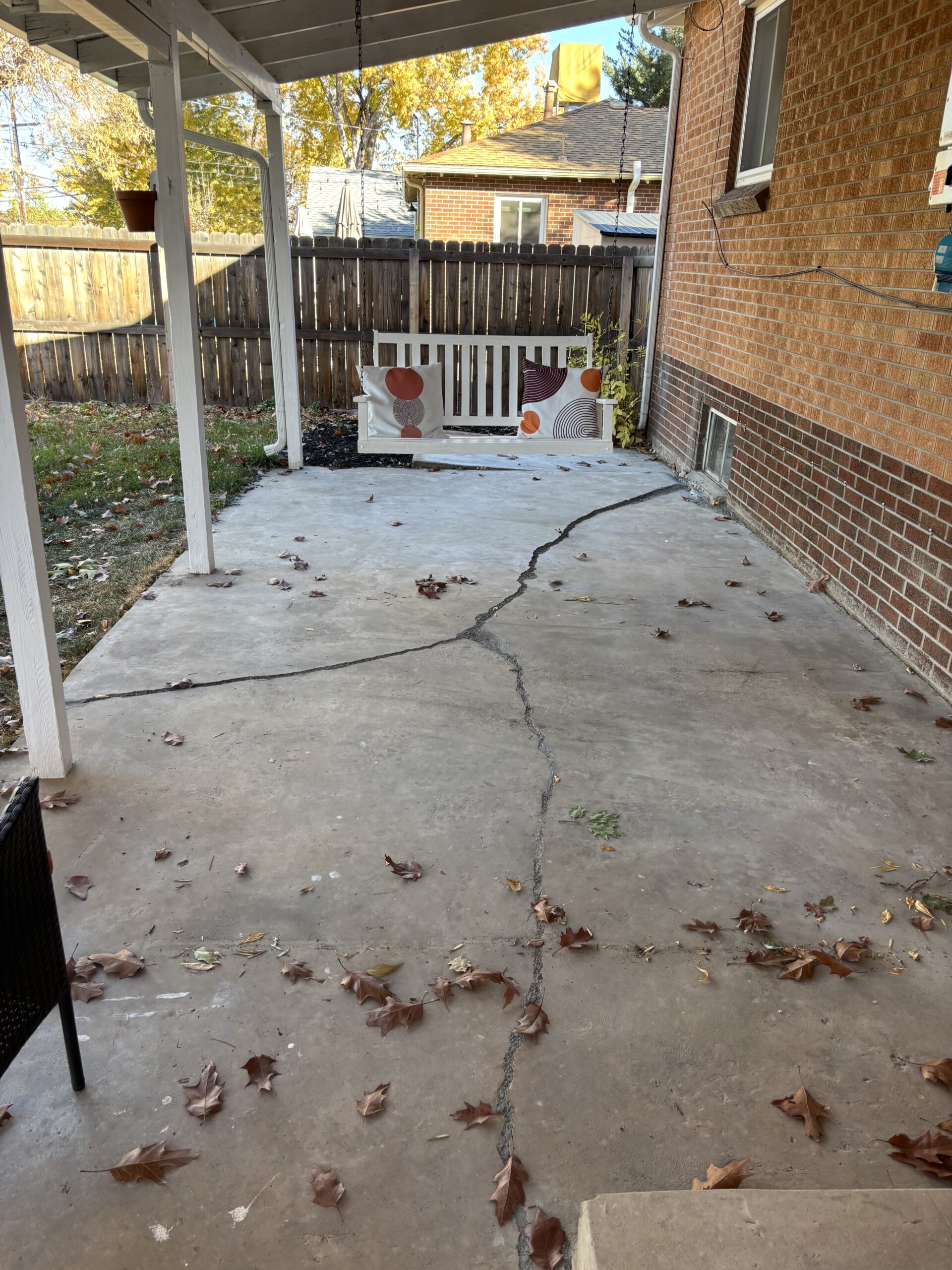
Concrete driveways, sidewalks, and patios are often the first place damage shows up. As the soil beneath them swells, shrinks, and shifts, slabs lose their support and begin to sink, tilt, or crack. Gaps between slabs widen, surfaces that once drained water away from the home begin directing it toward it, and tripping hazards appear that were not there the season before.
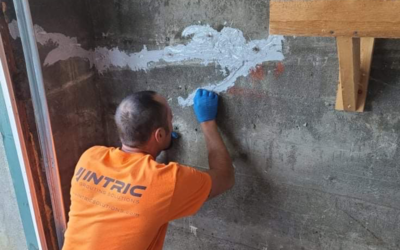
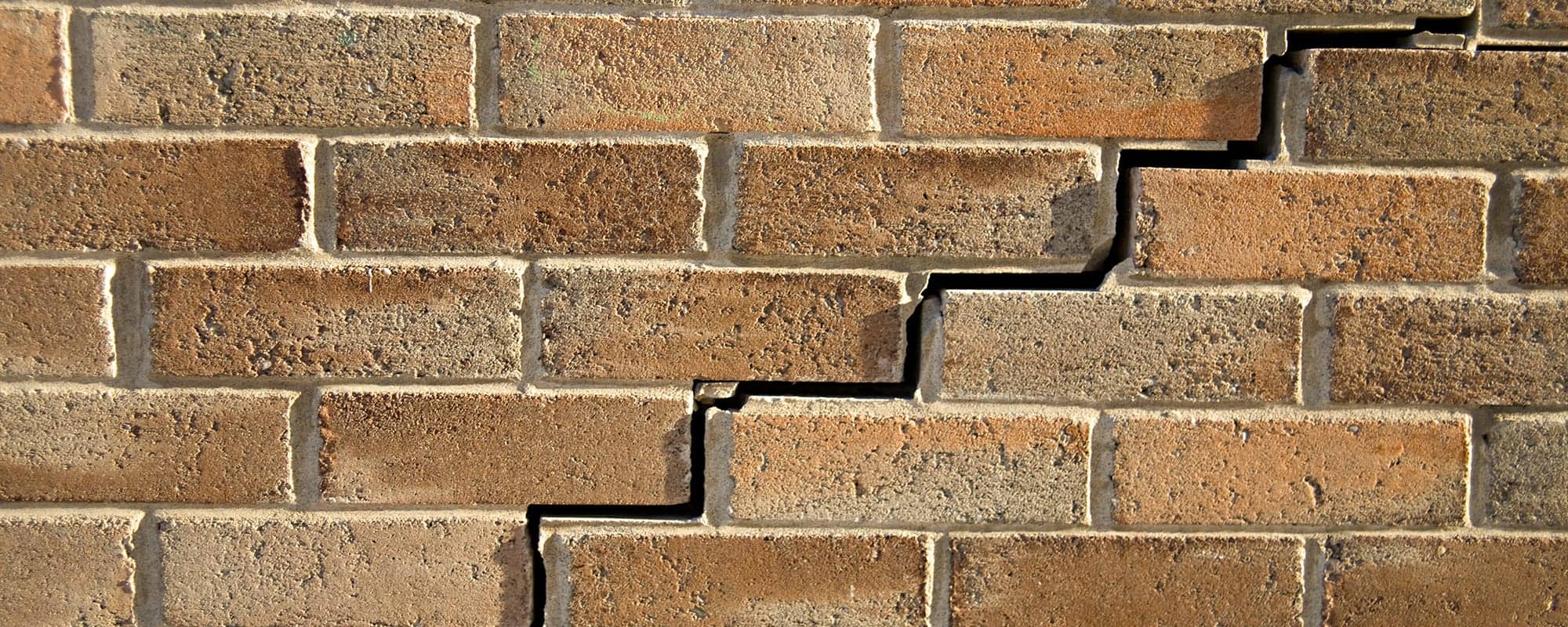
Foundation problems follow a similar pattern. Cracks in basement walls, sticking doors and windows, gaps forming along baseboards, and uneven floors are all common signs that the soil around and beneath a foundation has been moving. Horizontal cracks in foundation walls are especially worth taking seriously, as they can indicate lateral pressure from swelling clay pushing inward.
What makes the Front Range particularly challenging is that these problems are ongoing rather than one-time events. The soil never stops moving, which means homes here require more attention and maintenance than those built on more stable ground.
Why Local Experience Matters
Not every concrete or foundation repair company understands what Front Range conditions actually demand. A repair approach that works well in other parts of the country may not hold up against bentonite clay and the region’s temperature extremes. That is why working with a company that has deep experience specifically on the Front Range makes a real difference in the quality and longevity of the repair.
Liftech has completed over 14,000 repairs across the Boulder to Colorado Springs corridor. That kind of local experience means our team knows how the soil behaves in different neighborhoods, how Colorado’s seasonal patterns affect different types of foundations and concrete, and which repair methods hold up over time in these specific conditions. We are not applying a generic fix to a local problem. Every estimate and every repair is informed by years of working in the same ground your home sits on.
Your Home Was Built for This Environment. Your Repairs Should Be Too.
Living on the Front Range means accepting that your foundation and concrete will be tested every single year. The soil is not going to change, and neither is the climate. But the damage those conditions cause is manageable when it is caught early and repaired by people who understand what they are dealing with.
If you have noticed cracks in your driveway or sidewalk, signs of movement in your foundation, or doors and windows that stick with the seasons, those are worth paying attention to. Small problems caused by expansive soil and freeze-thaw cycles rarely stay small on their own.
Liftech offers free estimates across the Front Range from Boulder to Colorado Springs. Our team will take a look at what is happening, explain what is causing it, and give you an honest picture of what your options are.
Schedule your free estimate today and find out what Front Range conditions have been doing to your home.