Does Concrete Leveling Work?

Does Concrete Leveling Work?

How Does Concrete Leveling Work?
Consider the cause of your sinking concrete

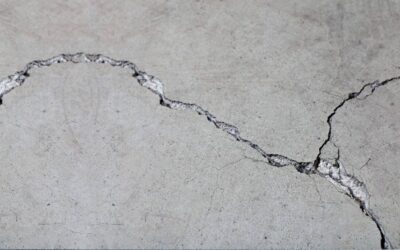
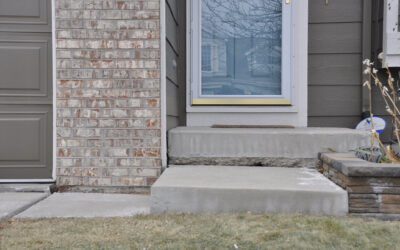
In most cases, slabs sink and crack because of changes in the underlying soils. Poor compaction, drainage issues, and other factors can lead to erosion of the soil. That erosion leaves voids below the concrete, and that leads to the concrete sinking over time.

To fix this, we inject polyurethane foam into the slab, and that pressure fills the void and lifts the concrete back into place. That foam is water-resistant, and locks into the soil, giving you a much sturdier base for that concrete than the previous soil.

How Long Does Concrete Leveling Last?

It depends on a couple of things. First off, Liftech offers a 2-year warranty on exterior concrete leveling repairs and a 5-year warranty on interior repairs. With that said, there are some things you can do to ensure the repair is permanent.

Check your drainage, make sure you don’t have downspouts or poor grading directing lots of water towards the concrete.

Seal Cracks. Prevent moisture from seeping into the soil below the concrete.

Do it right the first time. Use a company that uses the highest quality foam to ensure the foam itself won’t degrade over time. While using mud jacking or sub-par foam will be cheaper, it won’t be cheaper when you have to do it twice.

How much does Concrete Leveling Cost?
There are three main factors to consider when determining the cost of a repair

  1. How many sides of the concrete have failed. Some concrete can have a “1-sided failure” which is the cheapest to repair. As the name implies, it is when only one side of the concrete has settled. There are also “2-sided” and “4-sided” failures that can change the price
  2. Square footage of the failure and depth of the failure. At Liftech, we use state-of-the-art equipment, like a zip-level to determine precisely how much of the concrete has settled. On top of that, we developed our own software that allows our team to plug in these measurements and get you a highly accurate cost within minutes.

At the end of all this, we charge for the price of the material used. Depending on the type of failure, square footage, and depth of settlement, we can estimate how many pounds of foam will be required.

Always ensure the estimator giving you bids is doing their best to get you an accurate bid, and not just trying to sell you a price that they think you’ll pay. If you have any more questions about your concrete or want to see if it’s a good candidate for repair, give Liftech a call, we’re always happy to help!
Did you like this content?

Follow Liftech on social!

Liftech constantly posts helpful content for Colorado homeowners to educate themselves to save them time, money and headache.  We curate content for you, not to sell to you.  

  • Tips to extend the life of your home foundation and concrete
  • Pictures and videos of what we’re seeing in the feild.  Examples of problems and/or solutions that we deal with during each season.
  • How to early identify symptoms of problems or issues that could eventually manifest into greater issues.

More Recent News & Blog Posts:

Why Concrete Sinks Faster in Spring

Why Concrete Sinks Faster in Spring

Quick Summary Colorado's freeze-thaw cycles break down soil compaction all winter, weakening the base beneath concrete slabs before spring even arrives When snow melts, large volumes of water enter the ground faster than clay soil can drain it, forming voids beneath...

read more
Is Sunken Concrete a Safety Liability?

Is Sunken Concrete a Safety Liability?

Quick Summary Sunken concrete becomes a trip hazard when the height difference between panels reaches half an inch or more. The risk is highest for older adults, children, and visitors who aren't familiar with the hazard. A tilted slab, pooling water, or icy...

read more
Concrete Replacement or Concrete Repair?

Concrete Replacement or Concrete Repair?

Quick Summary For Efficient Readers Polyurethane foam lifting works by filling voids and compacting soil beneath a settled slab, restoring support without removing the concrete Lifting is worth considering when the concrete itself is structurally sound and the problem...

read more
Before You Finish Your Basement

Before You Finish Your Basement

The Basement Finishing Checklist Colorado Homeowners Skip (And Regret) Finishing a basement is one of the better investments a Colorado homeowner can make. Done right, it adds livable square footage, raises the home's value, and turns a storage-only space into...

read more
Water Seepage vs Humidity

Water Seepage vs Humidity

Is It Water Seepage or Just Humidity in Your Colorado Basement? You walk downstairs, and the air feels damp. Maybe the walls look a little darker near the floor, or there is a faint musty smell you do not remember noticing before. It is not always easy to tell if you...

read more
Front Range Foundation Damage

Front Range Foundation Damage

The Front Range sits on some of the most expansive clay soils in North America, and its dramatic temperature swings make things worse. Here is why Colorado homeowners between Boulder and Colorado Springs see more foundation and concrete damage than most.Why the Front...

read more