Concrete Leveling Vs. Mudjacking
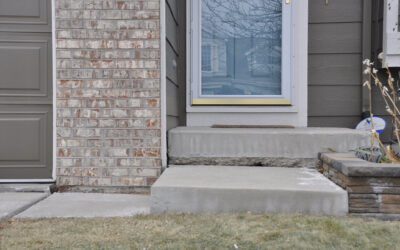
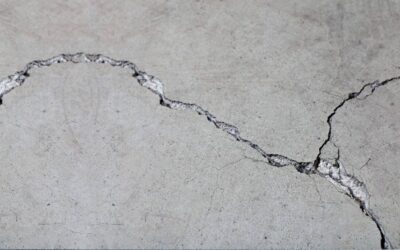
Foundation problems are among the most serious issues a Colorado homeowner can experience. Whether your driveway concrete has started to crack or your basement floor has started to sink, there are many signs it may be time to call a concrete raising and foundation repair expert. A sagging foundation can have a negative impact on your home in a variety of ways. Luckily, there are a few ways you can repair and strengthen the foundation of your home with the help of a professional. The two most popular procedures are known as concrete leveling and mudjacking. In this article, we’ll discuss the differences between the two.
If you’re wondering what the best concrete repair solution is for your home, contact the professionals at Liftech today.
Concrete Leveling Options for Your Home
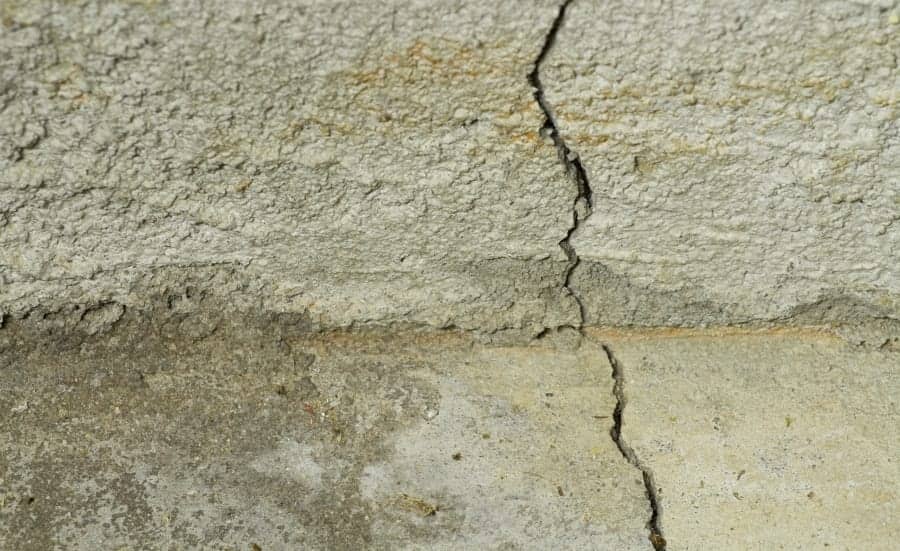
The foundation of your home is crucial to the stability and integrity of your building’s structure. Over the course of time, it’s common for the soil around your home to settle. However, if your home was constructed on poorly compacted soil, your home may settle too much, resulting in an array of structural damages.
Foundation Leveling with Polyurethane Foam
An affordable concrete leveling option for Colorado homeowners is foundation leveling with polyurethane foam. Polyurethane concrete raising involves the use of an environmentally safe liquid polymer foam that is carefully injected through penny-sized holes into the concrete and into the unstable soils below. With the help of a unique chemical reaction, the high-density foam will start to expand and stabilize the loose soils underneath your house. This will help to lift the fallen concrete. It only takes about 15 minutes until the polyurethane material is fully cured and ready to go.
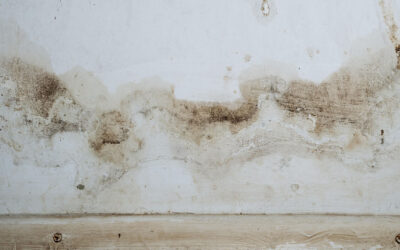
A major benefit of using polyurethane foam is that it is impervious to moisture and decay. This can put you as a homeowner at ease, knowing that your concrete repair will last for years to come.
Foundation Leveling with Mudjacking
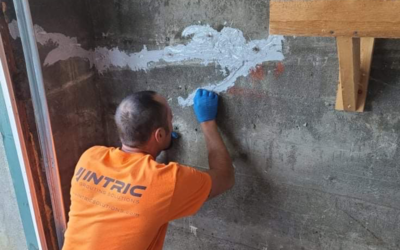
Another method of concrete leveling is known as mudjacking or slab jacking. This repair method involves pouring or pumping new concrete under an existing concrete slab that has been cracked. In this leveling process, small holes are drilled near the area where the concrete has started to crack or sag. New concrete is then pumped into those holes to “jack up” or raise the level of concrete that has sunken. This is a much more invasive procedure than leveling your foundation with polyurethane foam and it can take days, even weeks, to complete.
Concrete Raising & Foundation Leveling in Colorado
If you’ve noticed falling or sagging concrete around your residential or commercial property, it may be time to contact your local concrete raising professional. At Liftech, we’ve helped hundreds of families and business owners across Colorado remedy their foundation issues through our professional services. Whether your home’s sidewalks have started to crack, causing tripping hazards to you and your family, or the foundation of your home has cracked, we can help. To learn more about our services, contact our team today!