The Basement Finishing Checklist Colorado Homeowners Skip (And Regret)
Finishing a basement is one of the better investments a Colorado homeowner can make. Done right, it adds livable square footage, raises the home’s value, and turns a storage-only space into something the whole family actually uses. But there’s a version of this project that goes sideways fast, and it almost always starts the same way: someone hired a finishing contractor before the basement was structurally and mechanically ready for it.
Framing goes up over a wall that’s slowly bowing. Drywall gets installed over a floor that hasn’t been checked for moisture. Flooring goes down over a slab that isn’t level. A year later, the seams are cracking, the carpet smells like mildew, and the homeowner is tearing out a finished space to fix problems that were there from the beginning.
Here’s what should happen before a single piece of lumber goes up.
Check the Foundation Walls Before You Frame Against Them
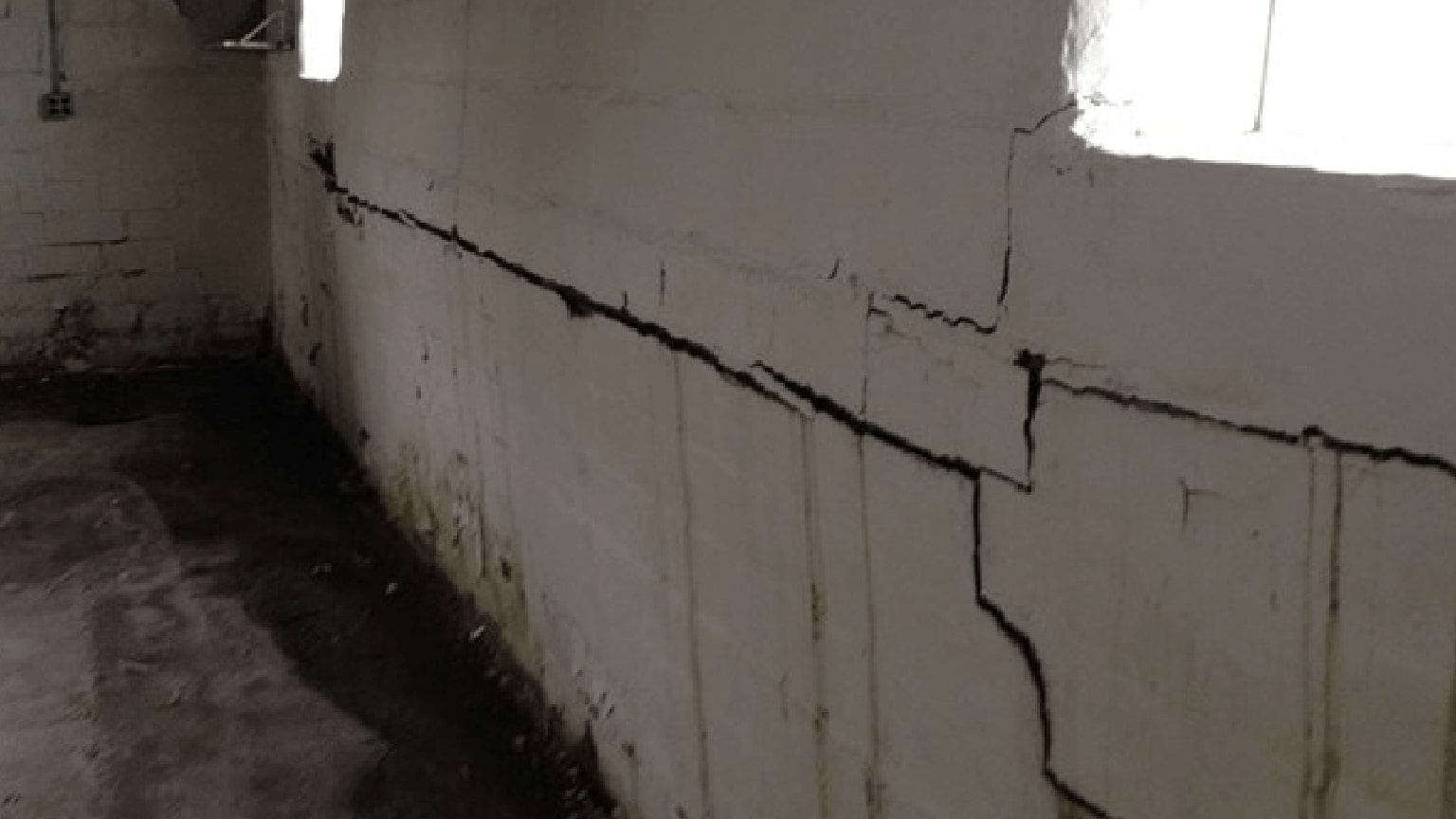
Basement walls take sustained lateral pressure from the soil outside, and in Colorado that pressure shifts with the seasons. When moisture levels rise in spring or after heavy irrigation, saturated soil pushes against the wall. Over time, block and poured concrete walls can develop horizontal cracks, begin to bow inward, or start to shear near the base.
A wall that’s been stable for years can still have an issue worth knowing about. Once you frame directly against it, you’ve buried the problem. If that wall later needs helical tiebacks, wall anchors, or carbon fiber reinforcement, the framing has to come out first.
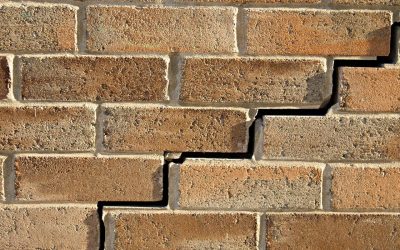
Cracks are worth looking at closely too. Hairline cracks in poured concrete are common and often cosmetic. Horizontal cracks, stair-step cracking in block walls, or anything that’s widening over time is a different conversation. A foundation specialist can sort this out in a single visit and give you a written assessment before you commit to a finishing timeline.
A Wet Basement Is Not a Finishing-Ready Basement
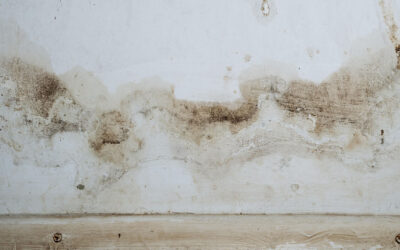
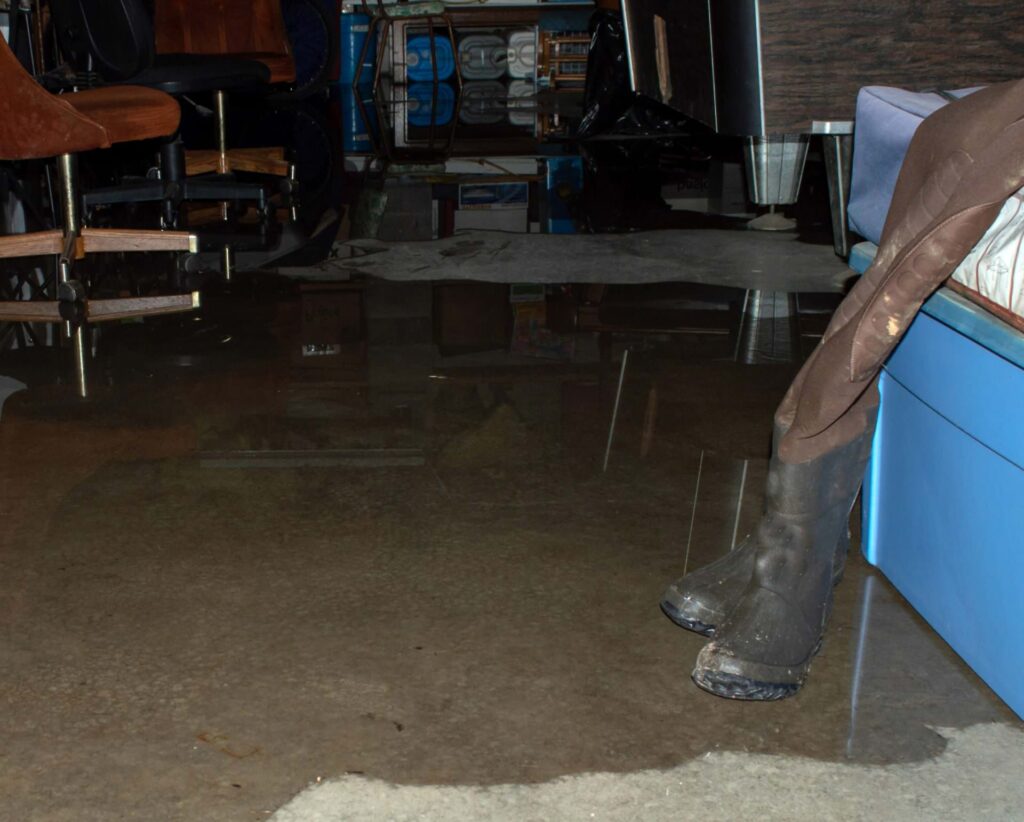
Water intrusion is the most common reason finished basements fail. If a basement has leaked before, it will almost certainly leak again, and finished walls and flooring make the damage dramatically worse when it does.
Colorado’s Front Range sees intense afternoon thunderstorms from late spring through summer. Window wells can overflow. Downspouts that discharge too close to the foundation push water toward the wall instead of away from it. Hydrostatic pressure from saturated soil can push moisture through even small cracks in the slab or wall joint.
The fix depends on where the water is coming from. A perimeter drain system installed at the base of the wall intercepts water before it reaches the floor and routes it to a sump pump. A sump pump installation on its own handles many seasonal water issues. Window well drains address overflow at those wall penetrations. In some cases a dehumidifier is enough to manage residual moisture after other sources are controlled.
None of these are difficult to install in an unfinished basement. In a finished one, they require opening up walls and floors, which significantly increases both the cost and the disruption.
Level the Basement Floor Before Flooring Goes Down
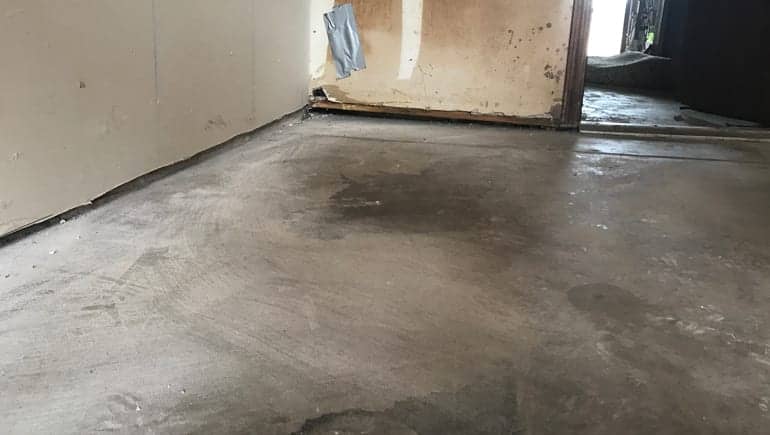
An uneven basement floor is easy to ignore when the space is used for storage. It becomes a real problem the moment you’re laying LVP, tile, or carpet over it.
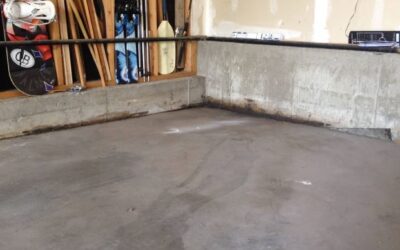
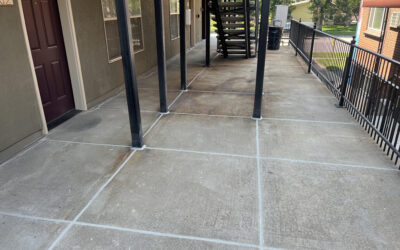
Concrete slabs settle over time, particularly in areas with expansive soils or variable moisture content. Colorado’s freeze-thaw cycles can contribute to movement as well, especially in basements with drainage issues or poor perimeter insulation. The result is a floor that dips in one corner, rises in another, or has distinct lips at cracks where one section has dropped relative to the next. Flooring installed over an uneven slab shows it quickly: floating floors work loose at the joints, tile cracks at the grout lines, and carpet develops visible low spots.
Basement floor leveling using polyurethane foam injection addresses settlement by filling voids beneath the slab and lifting it back toward its original position. It’s minimally invasive, cures quickly, and doesn’t require removing the slab. Cracks in the slab can be repaired at the same time.
Egress Windows: Code Requires Them in Sleeping Rooms
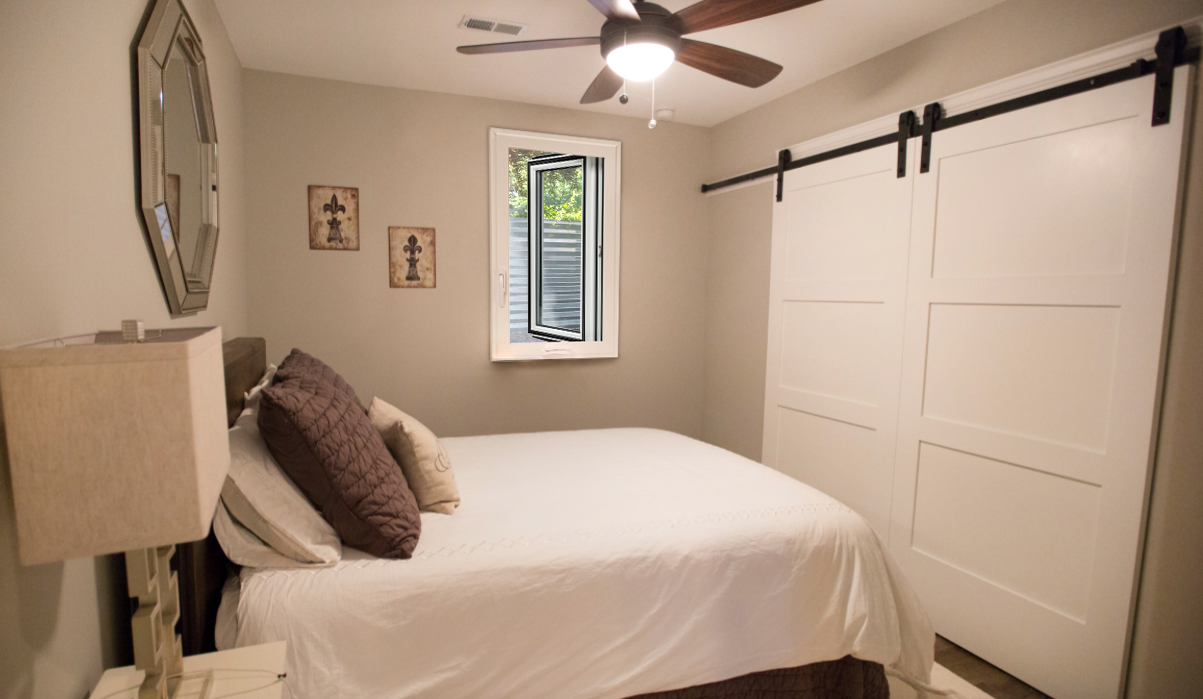
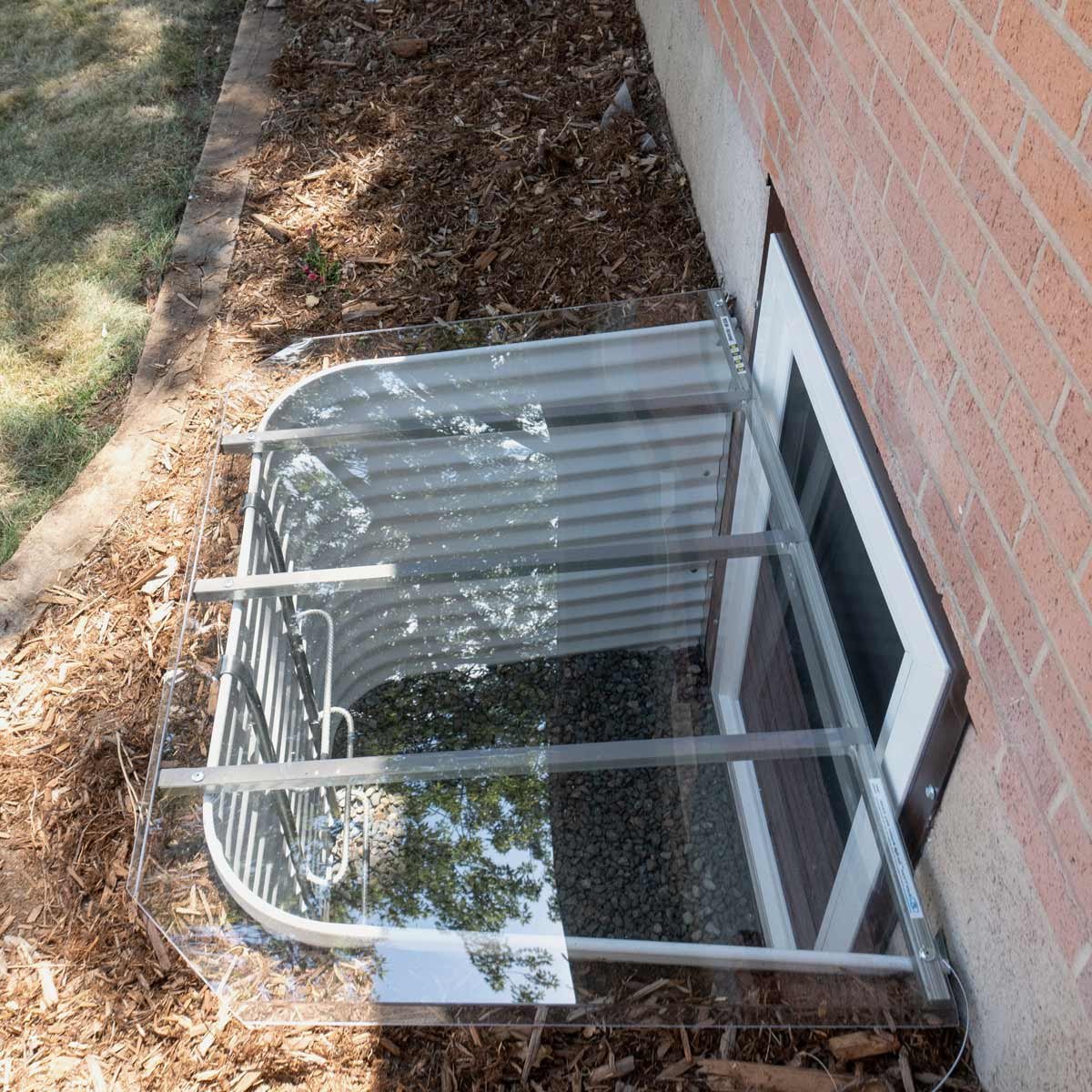
If any part of the finished basement will function as a bedroom, Colorado building code requires an egress window. The opening has to meet minimum size requirements so a person can exit in an emergency, and the window well has to be large enough to allow that exit. A basement bedroom without a compliant egress window won’t pass inspection and creates real liability when the home sells.
Getting egress windows installed before finishing is straightforward. The concrete is cut, the window is set, the well is installed, and the drainage is tied in. After the walls are framed and drywalled, the same work is more disruptive and more expensive. It’s also worth noting that egress windows bring natural light and ventilation into a space that often has neither, which makes the finished product feel more like living space and less like a basement.
The Right Sequence Protects the Investment
A finished basement is only as good as what’s behind the walls and under the floor. Foundation issues, water intrusion, and uneven slabs don’t become less serious because they’ve been covered up. They become more expensive to fix.
Getting a foundation and waterproofing inspection done before the finishing work starts is a straightforward way to avoid a much larger problem later. Liftech offers free estimates and has completed more than 14,000 repairs across Colorado’s Front Range. If something needs attention before your project moves forward, the inspection will find it. If everything checks out, you’ll have the confidence to move forward on schedule.
Request a free estimate from Liftech before your basement finishing project begins.