Crawl Space Encapsulation
Protect your Colorado home and foundation from moisture, mold, and humidity with a professional encapsulation system.
Prevents excess humidity and standing water
Stops mold and mildew from growing
Helps regulate temperatures
Seals entry points for pests like rodents and insects
Improves the living conditions of your home
Crawl Space Encapsulation in Colorado
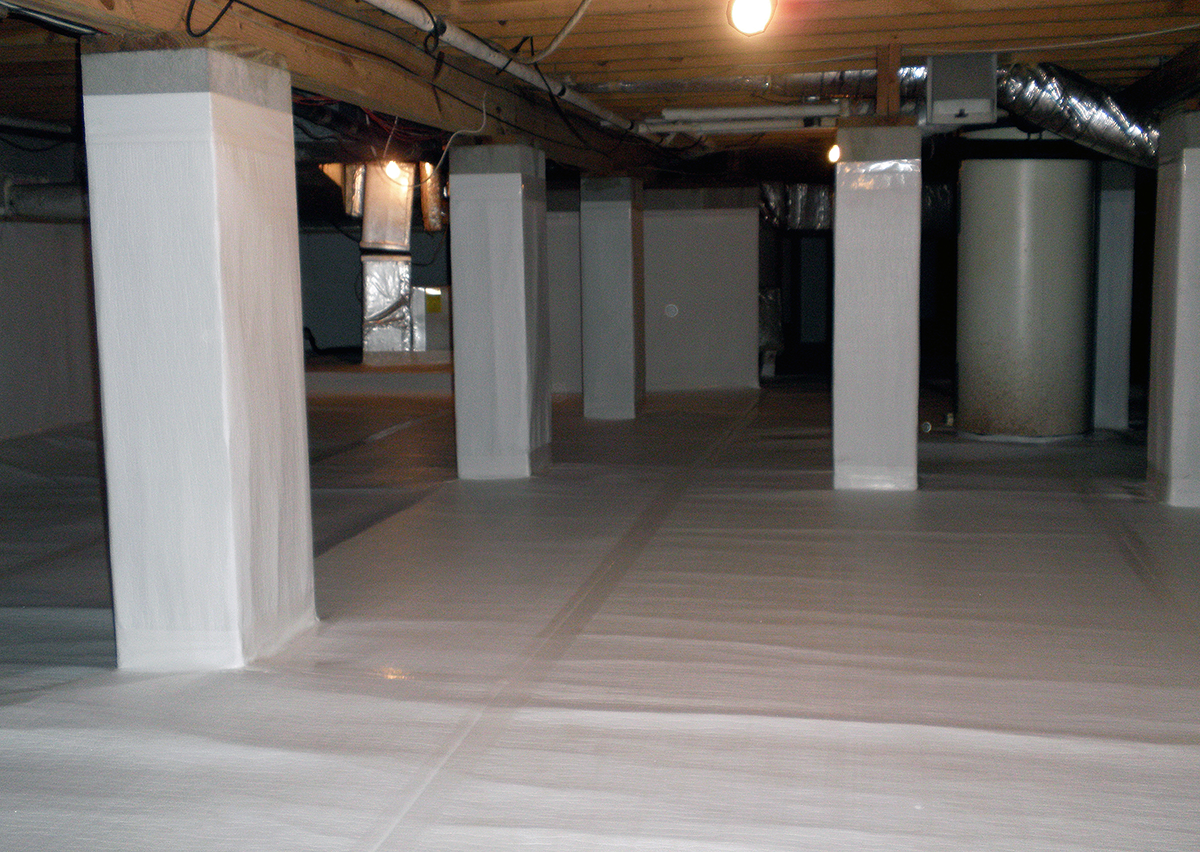
The musty smell upstairs and the floors you can’t keep warm usually start in the crawl space under your home. Colorado’s dry air hides it: the moisture isn’t in your living room, it’s in the soil under the house, and the wide day-to-night temperature swings push it up through open foundation vents and into the rooms where you live. A crawl space encapsulation shuts that cycle down. The system seals the floor and walls under a heavy liner, locks the seams against moisture, and closes the vents so the space stops feeding damp air into your home.
Liftech is a certified SafeBasements dealer serving homeowners across Colorado, from the Denver metro through the Front Range. We install full encapsulation systems built for the dry-climate humidity swings that drive moisture into crawl spaces across the state.
What a Crawl Space Encapsulation Includes
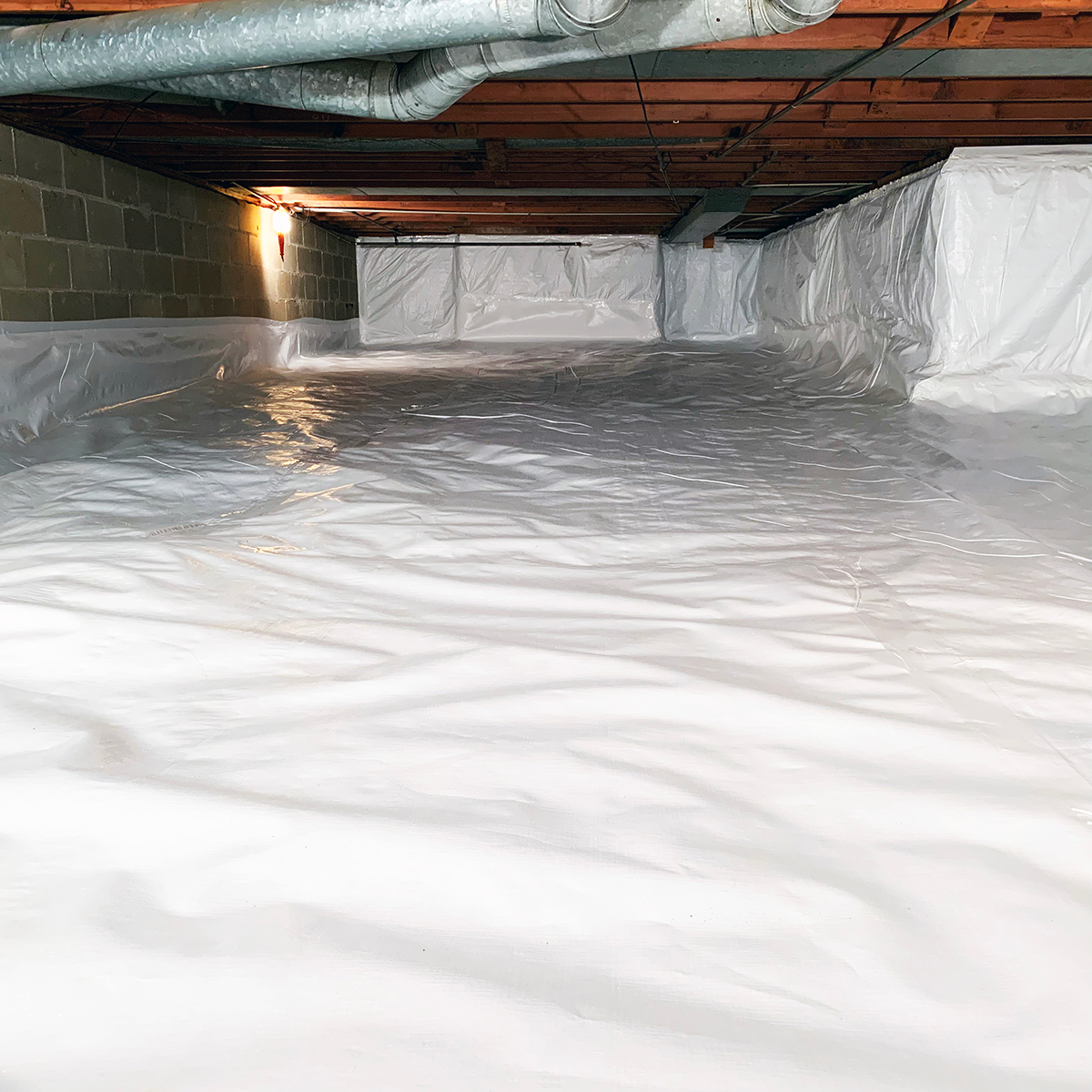
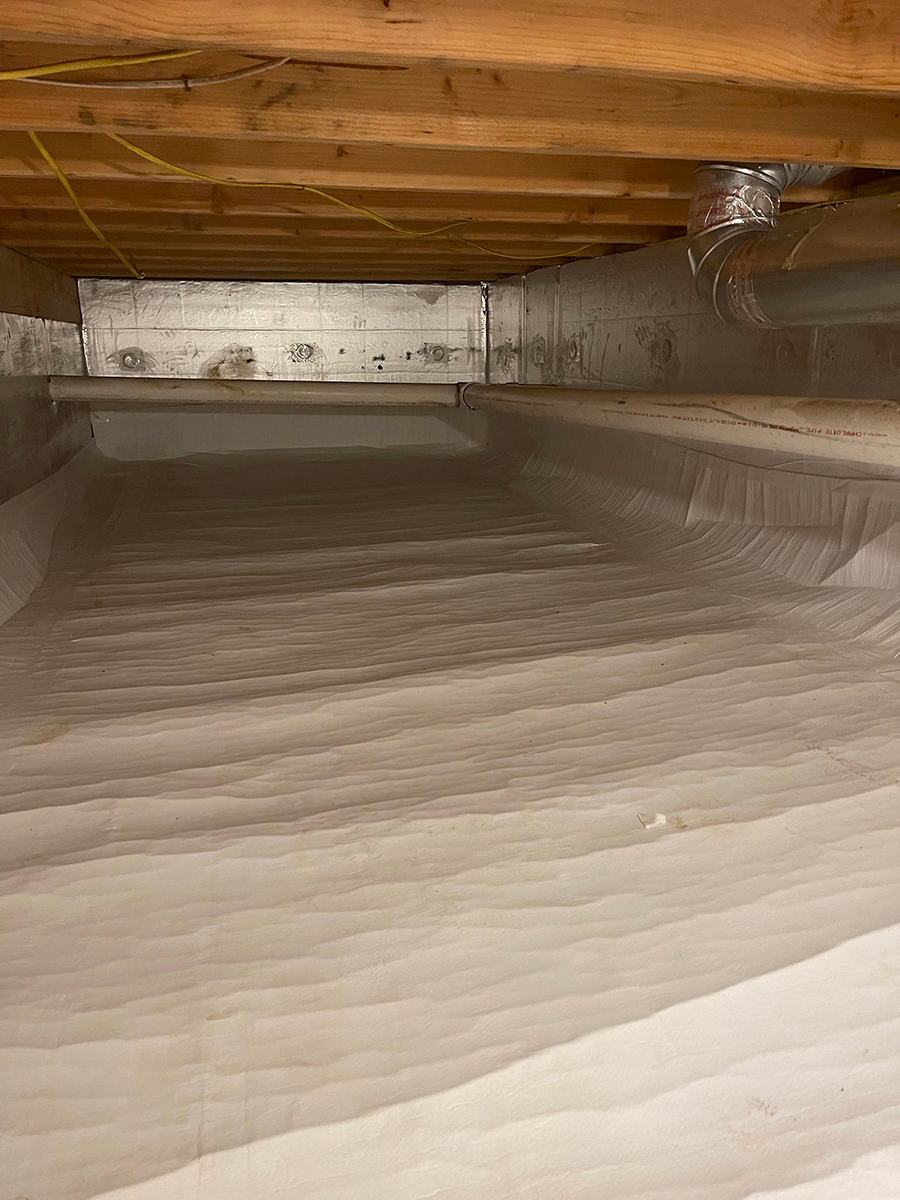
A vapor barrier is a single sheet of plastic laid over the dirt floor. It slows the water vapor the bare ground gives off, but it leaves the foundation walls bare, the seams open, and the vents pulling outside air through the space. A crawl space encapsulation seals the whole area. A heavy liner covers the floor and runs up the foundation walls, every seam is taped, and the top edge is sealed tight to the wall so nothing tracks behind it. The foundation vents are closed permanently. Code once required those vents on the theory that outside air would dry the space out. It does the opposite, and modern building practice seals the crawl space.
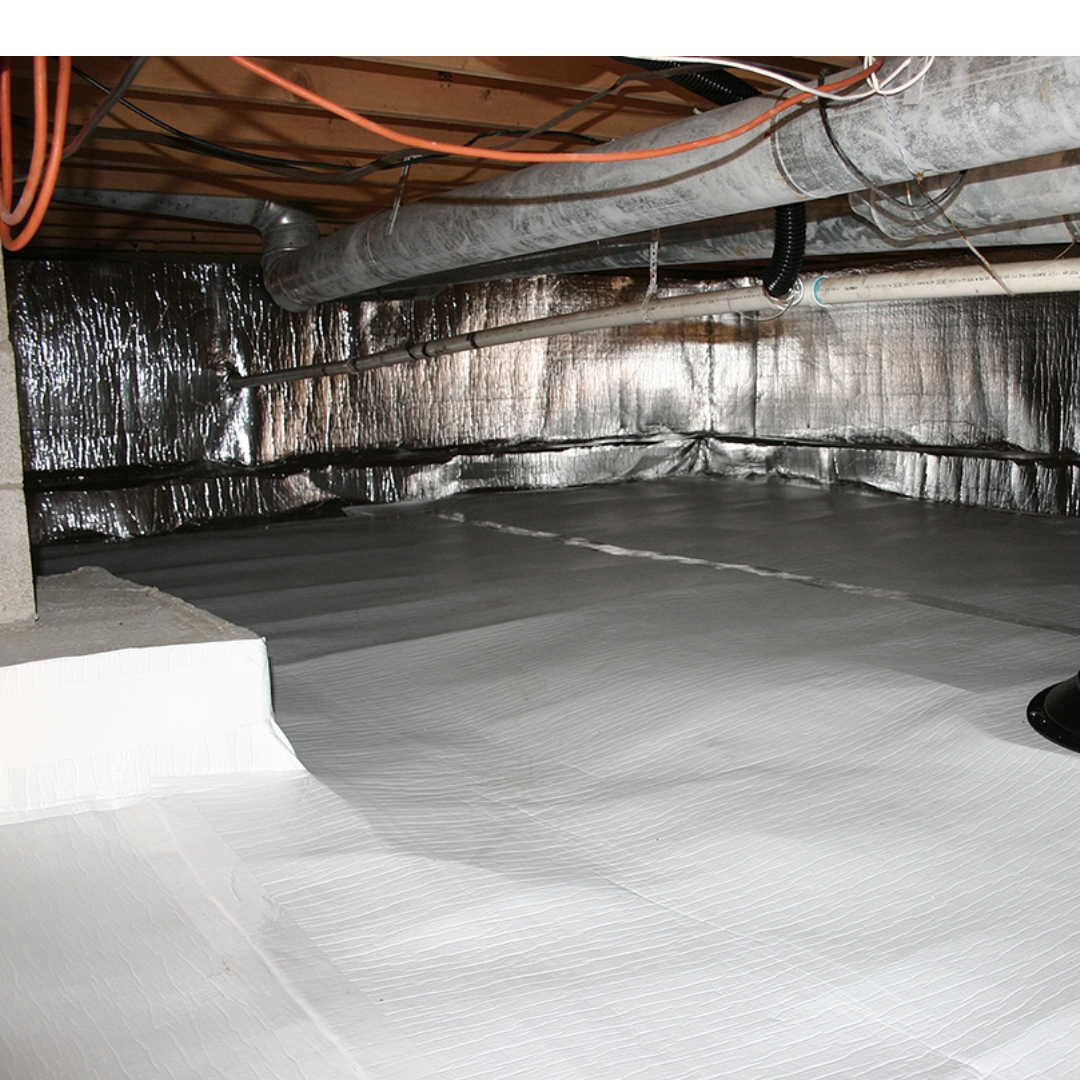
Liftech insulates the foundation walls and the rim joists, the band of framing where the floor meets the foundation and outside air works its way in. Putting the insulation at the walls brings the crawl space inside the heated envelope of the house, so it stops swinging with the outdoor temperature and holds close to the conditions of the rooms above it. The air your floors draw from is dry and stable.
Beneath the liner sits a drainage layer. If water ever reaches the space, from a plumbing leak or groundwater after a heavy storm, it has a path to a low point instead of pooling against the barrier. Sealed at the floor and walls, insulated at its edges, and drained underneath, the crawl space holds a dry, conditioned climate the rest of the house can rely on.
Why Colorado Crawl Spaces Need Encapsulation
On the sloped lots common around Denver and Boulder, builders often chose a crawl space over a full basement, and that vented, dirt-floored design still sits under older homes across the Front Range. Colorado’s climate may seem too dry to cause a moisture problem, with Denver seeing only around 15 inches of precipitation a year. But the ground under those homes is expansive clay, which holds water instead of letting it drain, so the soil stays a moisture source long after the surface looks dry.
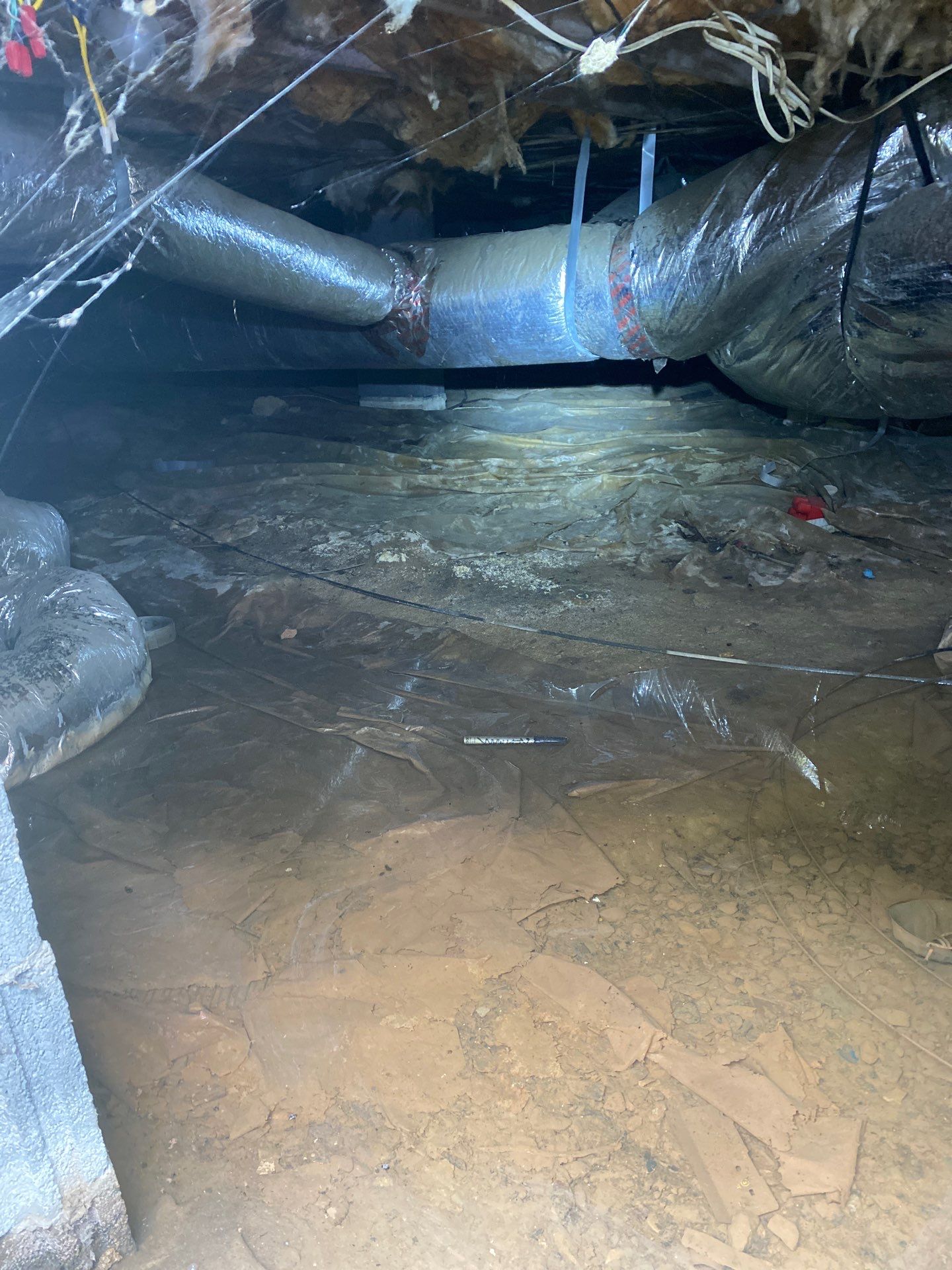
Colorado’s wide day-to-night temperature swings draw that moisture up off the soil and into the crawl space. The foundation vents were cut to carry it away. Instead they pull in humid air through the summer and cold air through the winter, and the stack effect lifts all of it up through the floor into the rooms you use. The damp settles into the joists and subfloor, softens the wood, feeds mold, and brings in pests. It runs out of sight under the floor, so the musty smell or the cold floor upstairs is usually the first sign anyone notices.
Signs Your Crawl Space Needs Encapsulation
Because the trouble sits under the floor, it usually shows up first in the rooms above it. These are the signs worth paying attention to:
- A musty smell that won’t clear. Damp air from the crawl space rises into the house and carries the smell of mold and wet wood with it. If a room smells earthy no matter how often you air it out, the source is often below the floor.
- Floors that stay cold. When the crawl space runs cold and damp, the floor above it does too, and no amount of heat seems to fix the room over it.
- Condensation on ducts, pipes, or the foundation walls. Beads of water on hard surfaces down there mean the air is holding more moisture than the space can handle.
- Mold or soft wood on the joists. Dark growth or wood that gives under a screwdriver on the framing overhead means moisture has been working on the structure for a while.
- Indoor humidity and allergies that flare in the house. Mold spores and dust mites build up in a damp crawl space and circulate upstairs through the air the floor draws in.
- Pests getting in through the crawl space. Rodents and insects move toward damp, sheltered ground and use the same gaps to reach the rest of the house.
- Heating and cooling bills that keep climbing. An open crawl space pulls outside air into the house year round, and the furnace and AC run longer to keep up.
Any one of these is worth a look. Several together usually means moisture has had time to settle in, and the longer the space stays open, the further it works into the wood and the air. A free crawl space inspection will tell you what’s driving it and whether encapsulation is the right fix.
Energy Savings, Air Quality, and Radon
Once the crawl space sits inside the home’s insulated envelope, the furnace and AC stop fighting the outside air that used to pour through the vents. The Department of Energy has found that conditioned crawl spaces use roughly 15 to 18 percent less heating and cooling energy than vented ones, and the first place you notice it is in floors that finally hold their warmth.
The air upstairs gets cleaner at the same time. Through the stack effect, much of what you breathe on the main floor rises out of the crawl space, so a damp one carries mold spores, dust mites, and musty air up into the house. Sealing and drying the space cuts that off, which usually shows up as less dust and fewer allergy flare-ups indoors.
Much of Colorado sits in a high-radon area, so radon is a fair question for any crawl space project. The liner helps: it works as a soil-gas retarder that slows radon from rising out of the ground, and it’s a standard layer in a radon-resistant setup. On its own, though, it is not a radon mitigation system. The EPA recommends testing every home, and if your reading comes back at or above 4.0 picocuries per liter, you need an active system that vents the gas outside. Test first, and treat encapsulation as one part of the answer.
Schedule Your Colorado Crawl Space Encapsulation
If the air in your house smells musty, the floors run cold, or you’ve seen moisture under the home, a crawl space inspection is the place to start. Liftech will go under the house, find what’s driving the moisture, and tell you whether encapsulation is the right fix or whether something simpler will do. The estimate is free, and as a certified SafeBasements dealer, we install the full system with a 25-year manufacturer warranty on the liner.
Our Crawl Space Encapsulation Products
Liftech is a certified SafeBasements dealer, and the system starts with the liner that covers the floor and runs up the foundation walls. It is a 45-mil polypropylene barrier, several times thicker than the loose sheeting used as a basic vapor barrier, and built to hold up for years in a crawl space without thinning or breaking down.
The liner resists puncture past 90 pounds of force and is tested for tear strength in both directions, so it takes the weight of anything stored on it and stands up to animals trying to work through it. It carries a Class A fire rating, the highest a material can hold, and a drain fabric on the back keeps water moving underneath rather than collecting against it. SafeBasements backs it with a 25-year manufacturer warranty.
Seams and edges are the first place a crawl space liner can fail, so the system seals them with a 4-inch-wide, water and vapor proof tape and a flexible adhesive that grips the foundation wall and holds even as the wall shifts slightly through the seasons. Installed this way, the liner closes the crawl space off from the ground and the outside air for the long term.
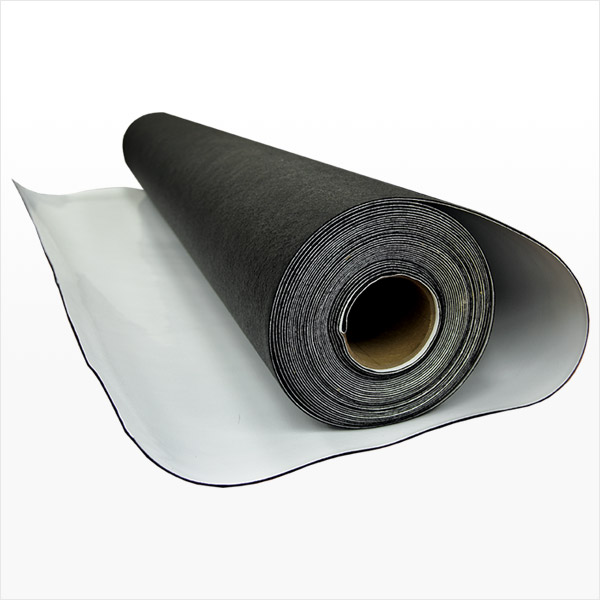
100% Water Resistant Encapsulation Liner
- 45 mil thickness thick enough to protect your home from water & natural gas (like Radon) infultration.
- Tear Strength of Warp 62.8, Weft 87.0. This is especially important if you’ll be active over your liner. For instance, if you store things in your crawlspace over your liner.
- Puncture Resistance over 90 lbf. This is especially imporant if you want to keep criters from puncturing & invading.
- Fire Rating A. This is the best fire rating & more resistent to fire. Colorado is a very dry state & prone to fires.
- 25 year manufacturer warranty. Liftech is a proud dealer of SafeBasementsTM products which include an industry-leading manufacturer warranty.
- Drain fabric on back side for no-stick application.
Robust Encapsulation Seam Tape
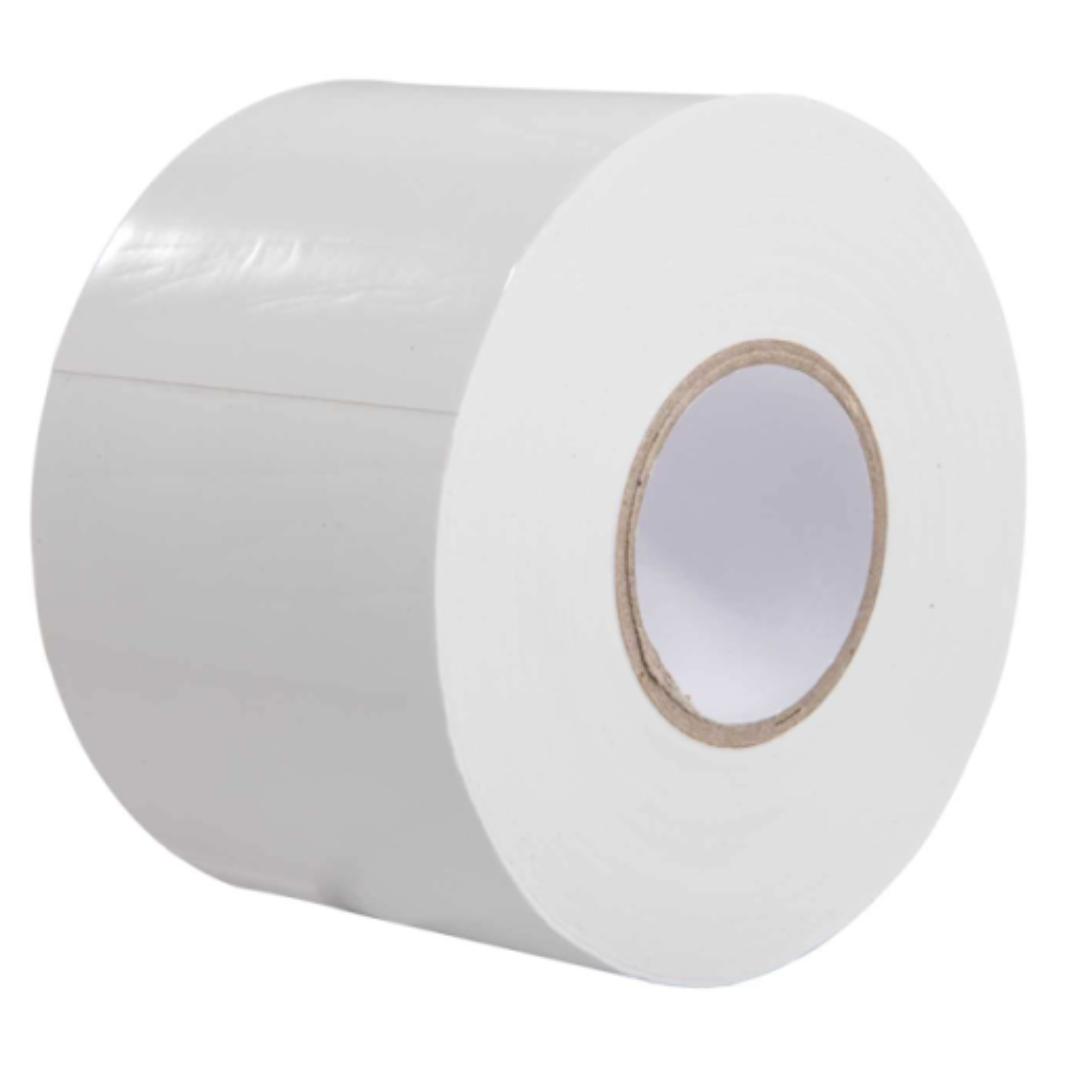
7 Mil Thickness
4″ Wide For Excellent Coverage & Seal
Water and Vapor Proof
Industry Best Safe Seal Adhesive
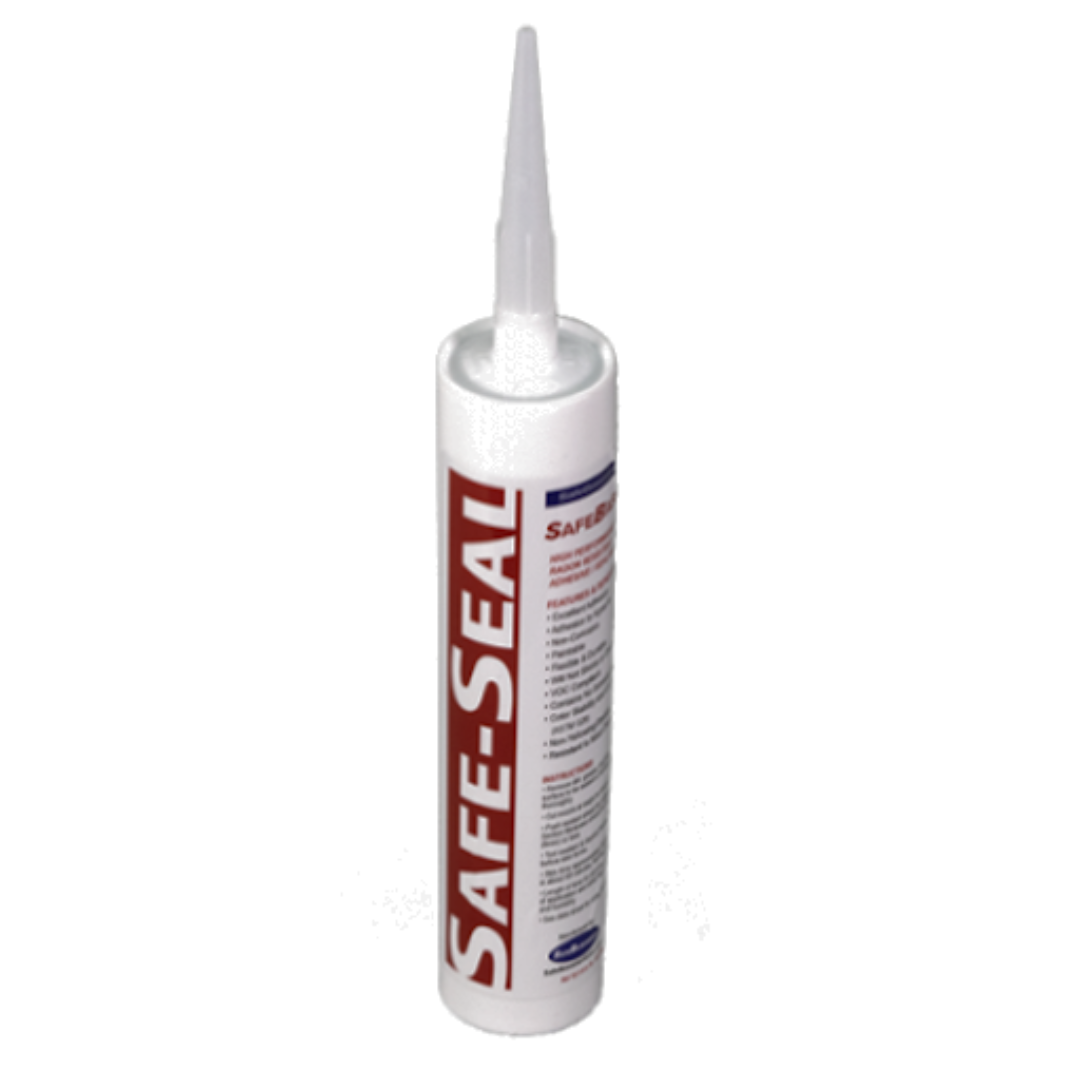
Extreme Grip For Wall Adhesion
Flexible To Accommodate Slight Movement
Air & Water Tight Seal
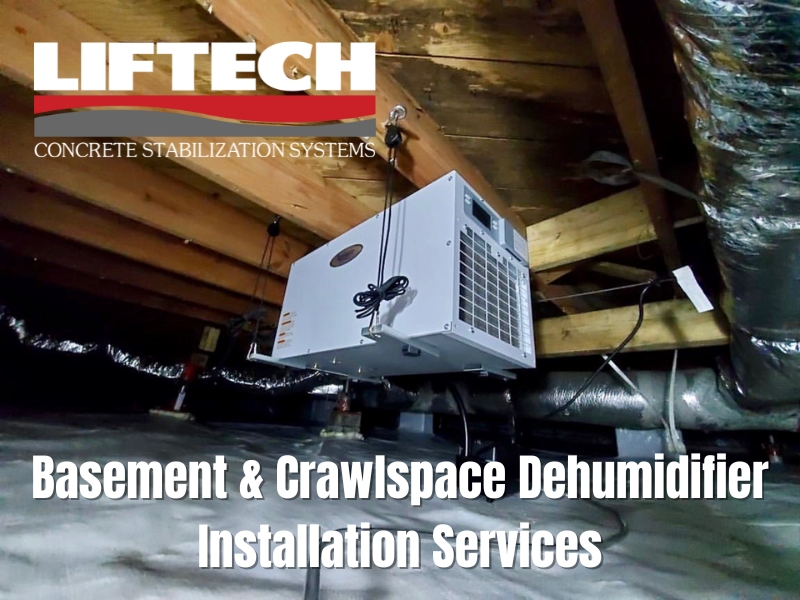
Pair Encapsulation With Dehumidifier
At Liftech, we understand the unique needs of Denver homeowners’ moisture solutions. Our experience with the local building codes, weather, and soil conditions ensures that we offer the best of the best when it comes to basement dehumidifiers, carefully selected to meet the specific demands of the Denver climate. Experience the Liftech difference with our range of services for basement waterproofing.
Proper Moisture Control and Mitigation
At Liftech, we provide reliable solutions to waterproof your home’s basement & crawl space. Water damage in your basement can lead to severe structural problems. Our basement waterproofing and drainage techniques are designed to prevent water from entering your home and are built to last. Liftech of basement waterproofing experts offer a free, no-obligation estimate to assess the specific needs to thoroughly waterproof your basement.
Stop, address, and fix any of these symptoms:
- Wood rot
- Mold or mildew
- Sinking or heaving floors
- Puddles, still water, soaking flooring
- Moistened air or condensation
- Vapors
- Natural gases like Radon
- Damp walls or peeling paint
- Cracked walls
- Musty smell
- White marks on concrete walls or floors
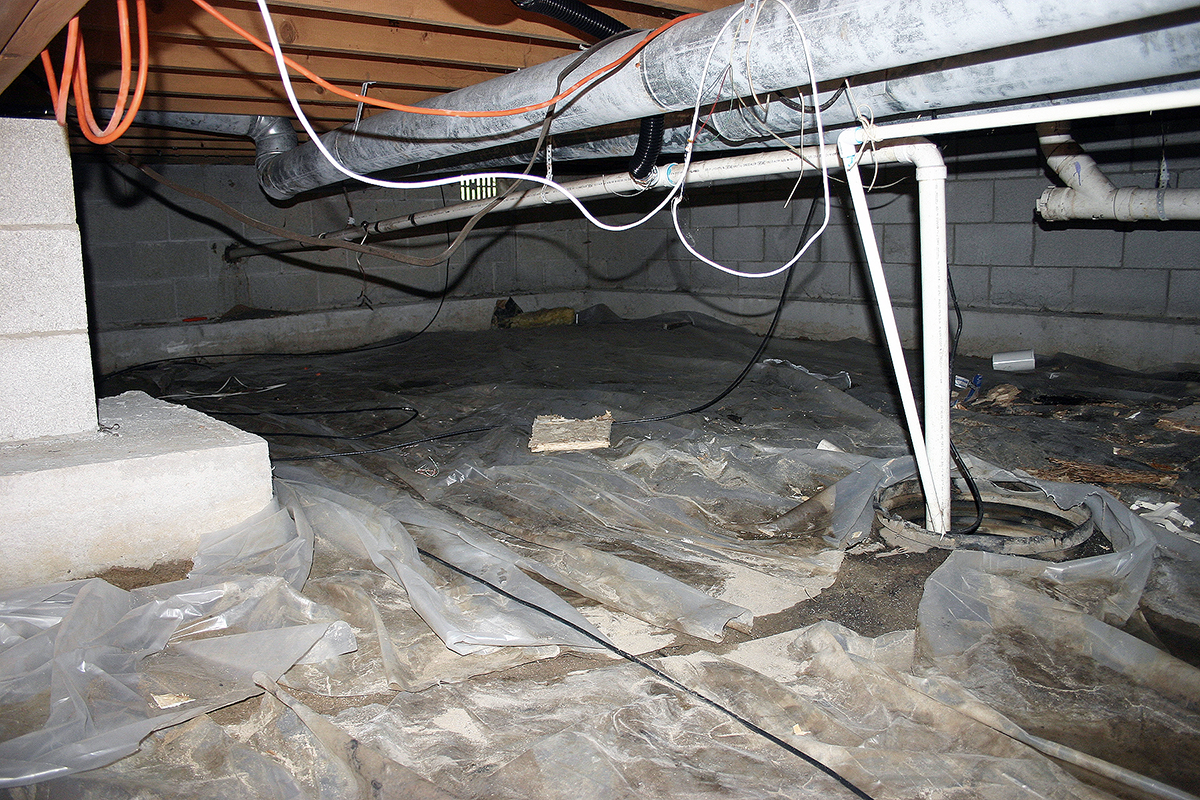
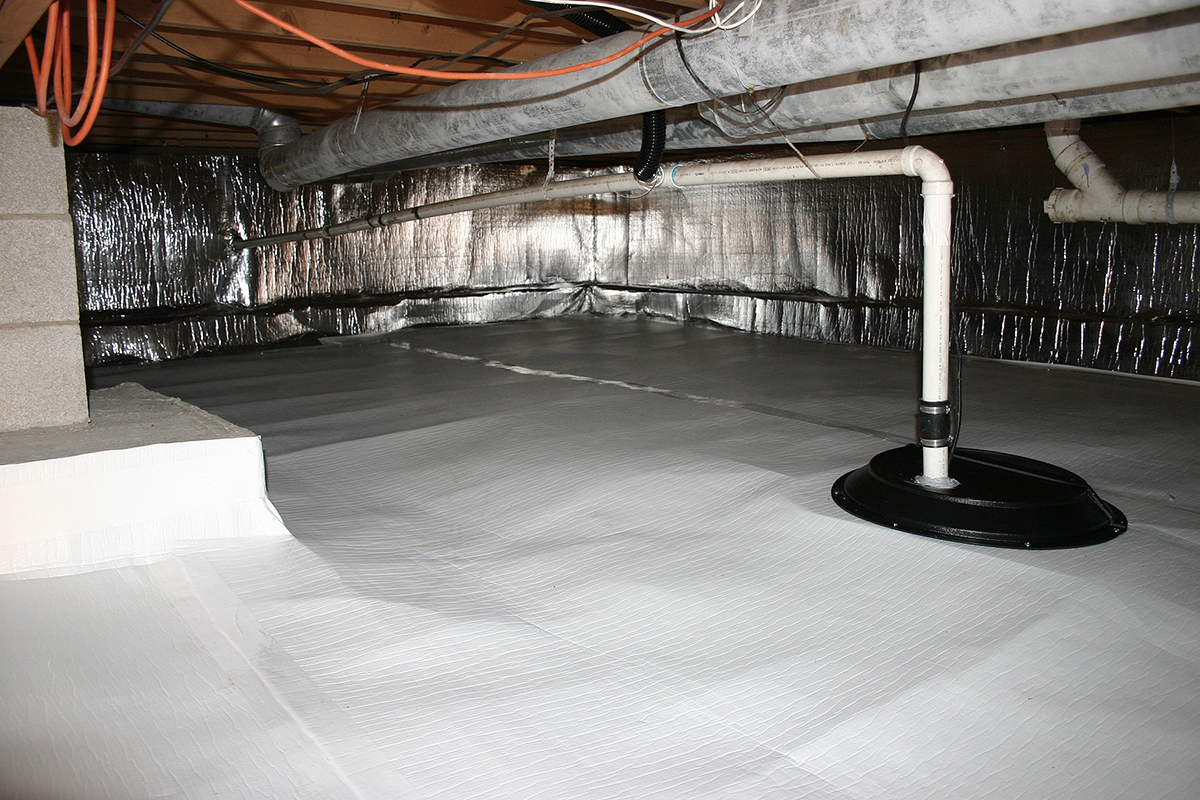
Encapsulation Before and After
Encapsulation F.A.Q.
Frequently asked questions about waterproofing, the products Liftech uses, and more!
What are the best floor liners for crawl space encapsulation?
A few quality metrics tell you how a liner will hold up:
- Thickness (mils). A mil is one-thousandth of an inch (0.001″). It’s worth noting a mil is not a millimeter; one mil equals 0.0254 mm. Thicker liners resist wear and last longer.
- Tear strength (warp and weft). How well the liner resists tearing along each direction of the weave.
- Tensile strength (lbf). lbf stands for pound-force, the load the material can take before it gives.
- Puncture resistance (lbf). The force the liner can take from a point, like a rock or a claw, before it punctures.
- Fire rating (Class A–D). A material’s rating for how it resists flame spread and smoke, measured by a flame spread index.
- Manufacturer warranty. How long the maker stands behind the product.
Here’s what Liftech recommends for Colorado crawl spaces:
- 45-mil thickness. Thick enough to stand up to years of use and to slow soil gas, including radon, from rising into the space. A liner reduces radon entry but does not replace radon testing or an active mitigation system, so test your home first if radon is a concern.
- Tear strength of warp 62.8, weft 87.0. Matters if you’ll be active over the liner, like storing things in the crawl space.
- Tensile strength around 290 lbf (directional average).
- Puncture resistance over 90 lbf. Helps keep animals from working through the liner.
- Class A fire rating. The highest rating a material can carry.
- 25-year manufacturer warranty. Liftech is a certified SafeBasements dealer, and SafeBasements backs its 45-mil liner with an industry-leading 25-year warranty.
If you’re not sure where your crawl space stands, contact Liftech for a free, honest assessment.
Should I encapsulate my crawl space myself or hire a professional?
The biggest factor is your own skill and experience. A crawl space encapsulation depends on quality materials and correct installation to actually control moisture, and a sealed seam or edge that fails undoes the work. Liftech installs SafeBasements materials to the manufacturer’s method, which saves you the time and the guesswork and keeps the 25-year warranty intact.
What's the difference between a vapor barrier and encapsulation?
A vapor barrier is plastic laid loosely over the crawl space dirt, so it only slows moisture coming off the floor. A crawl space encapsulation covers the entire floor and runs up all the walls, sealed at the seams, which holds back far more moisture, mold, mildew, and pests. Liftech’s standard is to also insulate the foundation walls and the rim joists, which keeps outside air out and helps hold a steady climate in the crawl space.
Are sealed crawl spaces worth it?
Moisture and mold do real damage to both your home and the air you breathe, and the cost of letting it run usually outweighs the cost of preventing it. A sealed crawl space also pays you back: the Department of Energy has found conditioned crawl spaces use roughly 15 to 18 percent less heating and cooling energy than vented ones. For most Colorado homes, sealing the space is worth it.
Can an encapsulated crawl space stop pests?
Sealing the crawl space deters rodents and insects, which are drawn to damp, sheltered ground and use the same gaps to reach the rest of the house. A sealed, dry space gives them far less reason and far fewer ways to get in.
Download Liftech’s Waterproofing Brochure
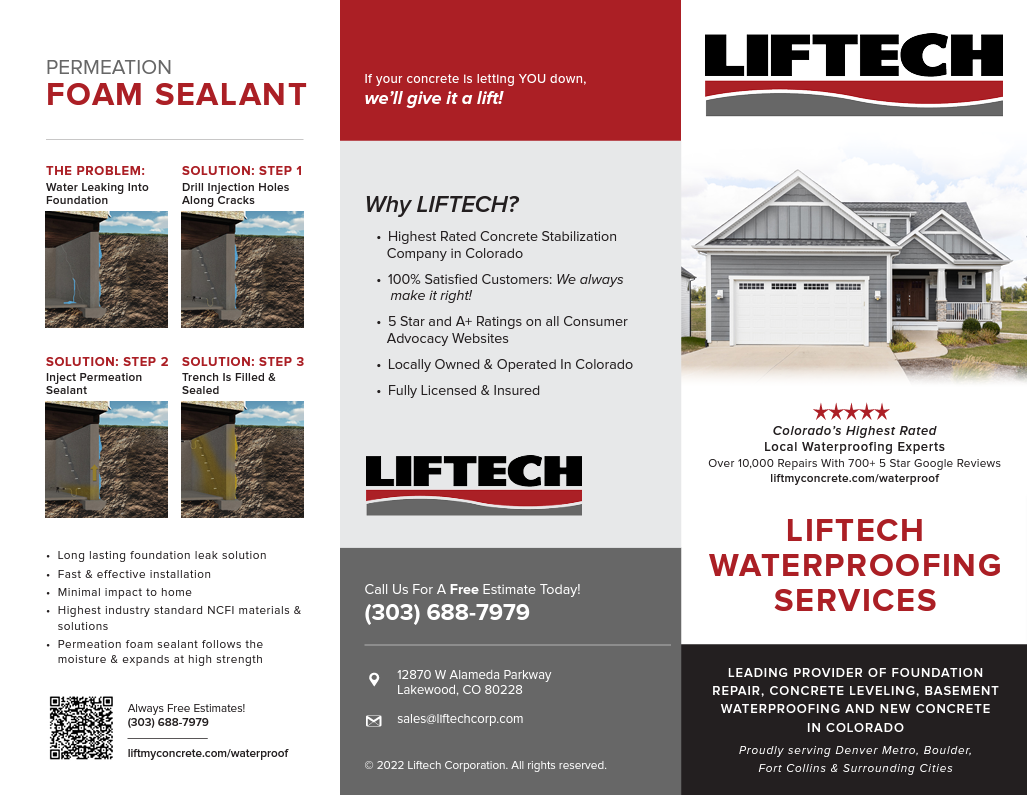
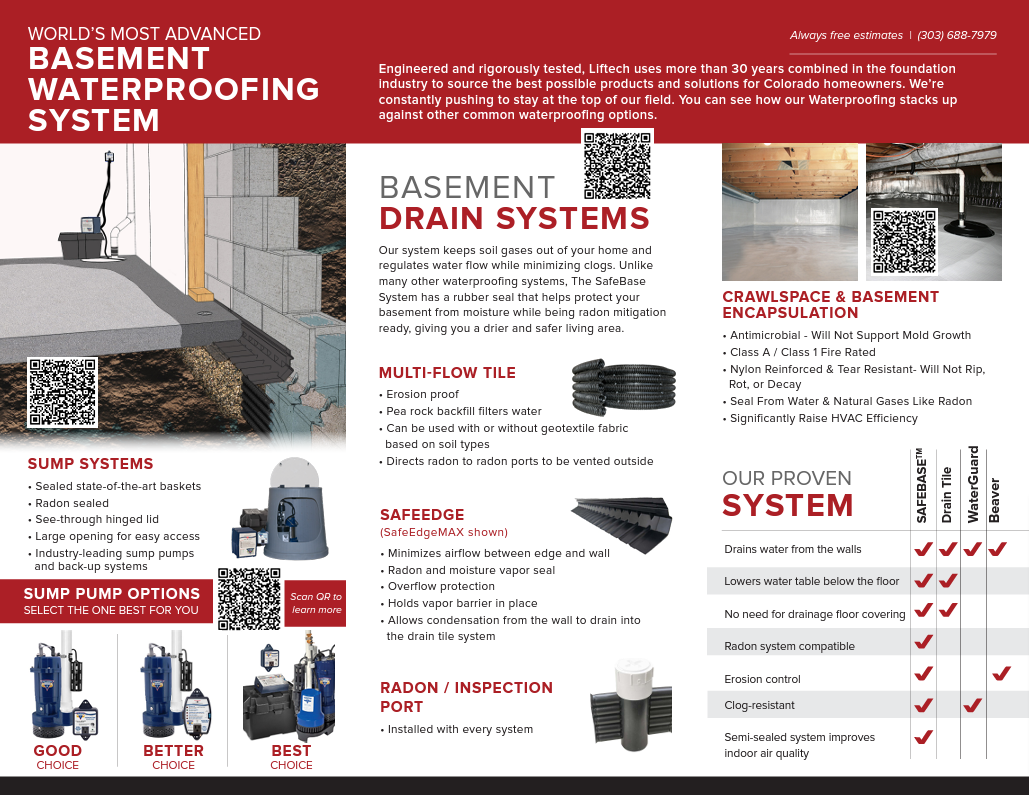
Proud Certified SafeBasements Dealer
Flexible & Competitive Financing Options
Financing Options
More often than not, foundation failures and property damage comes when you least expect it, which means unforeseen expenses and money you would rather spend elsewhere. We understand how stressful and inconvenient this can be. The good news is Liftech provides our customers with flexible financing options so you don’t have to compromise the safety and integrity of your property just because you don't have the funds immediately available to complete your project. We make it easy for you to finance your project in various ways, including:
- Loans up to $100,000
- No interest options
- Affordable monthly payment options
- Funding within 1-3 days
- No prepayment penalties
- No home equity required
We truly care about our customers and want to provide you with reliable solutions that won’t require you to spend an arm and a leg during the process. To learn more about our financing options, get in touch with our team today.
Several Loan Options
Today's Best Rates
No Pre-Payment Fees
Fast Funding
Easy Process & Support
News, Blogs, & Updates About Basement Waterproofing

Before You Finish Your Basement
The Basement Finishing Checklist Colorado Homeowners Skip (And Regret) Finishing a basement is one of the better investments a Colorado homeowner can make. Done right, it adds livable square footage, raises the home’s value, and turns a storage-only space...
Basement Floor Is Wet
Wet or Flooding Basement FloorsSigns & Solutions A wet basement floor can be caused by various factors, and determining the exact reason may require a closer inspection. Neglecting to address a basement leak can lead to various consequences, and these...
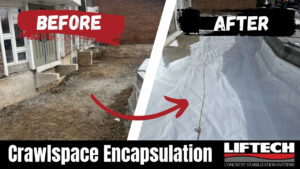
Shepherd Of The Valley: Crawlspace Encapsulation
SVLC is expanding the interior of their building around ~1,000 square feet. Next, they’ll be installing the structural wood flooring installed above this crawlspace. SLVC was approved of this project by a structural engineer and the local city of...
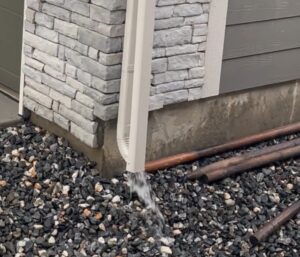
Pro Tip To Avoid Home Water Intrusion: Keep Your Downspouts DOWN
We see this a lot. Easily avoidable situation: Homeowner forgets to re-lower their downspouts after moving the garbage bins or mower from front to back lawns. Eventually it rains. And their inside while it rains, not noticing the problem. The entire roof is now...
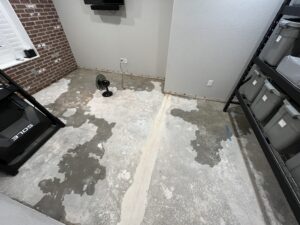
Basement Leaking When It Rains
Yikes! You have water leaking in your basement when it rains! Sorry to hear that! There’s nothing quite as unsettling as discovering that your basement leaks every time it rains. Not only can this issue lead to property damage, but it can also pose health...
Related Waterproofing Solutions:
Sump Pump Systems
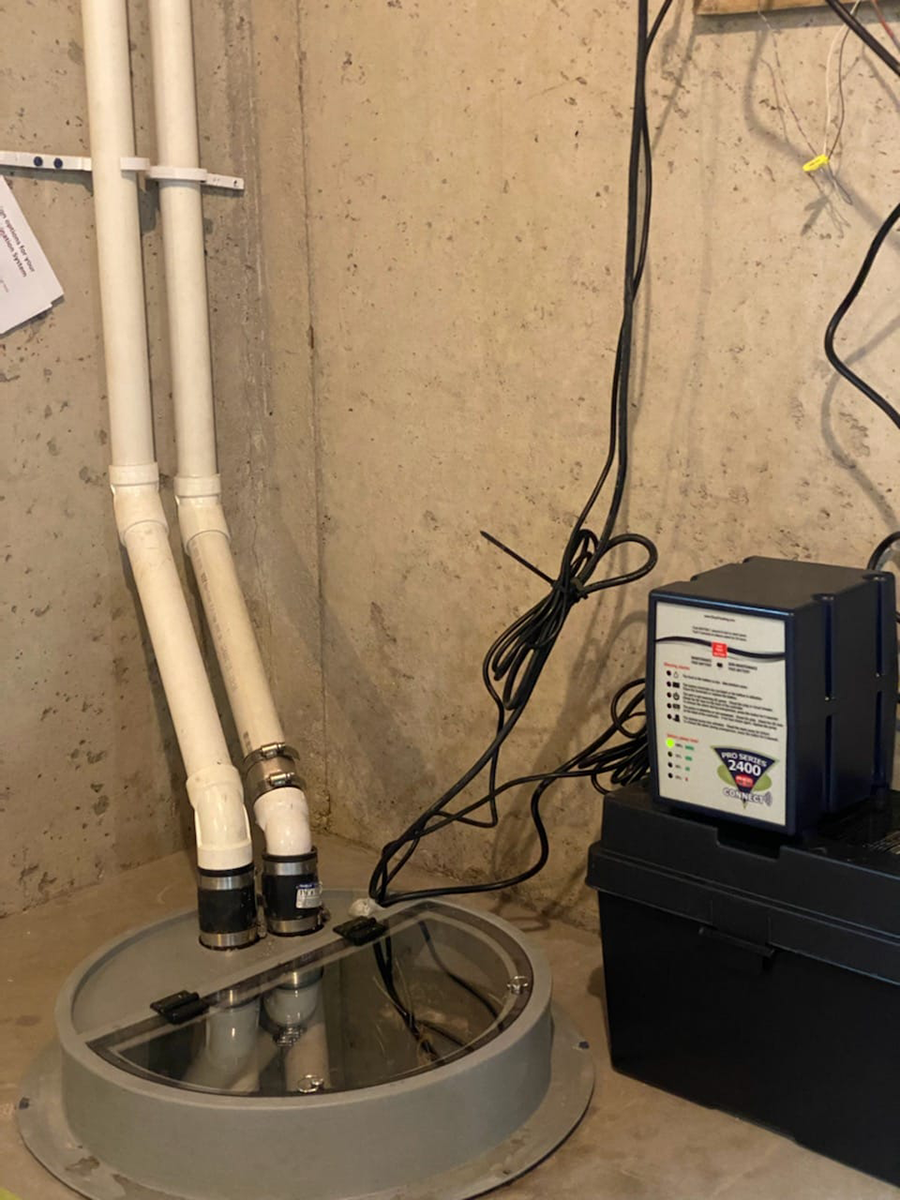
Liftech offers a “good, better, best” tier of sump pump setups and will give you professional guidence. Understanding the differences will be key to determine the best sump pump system for each Colorado homeowner.
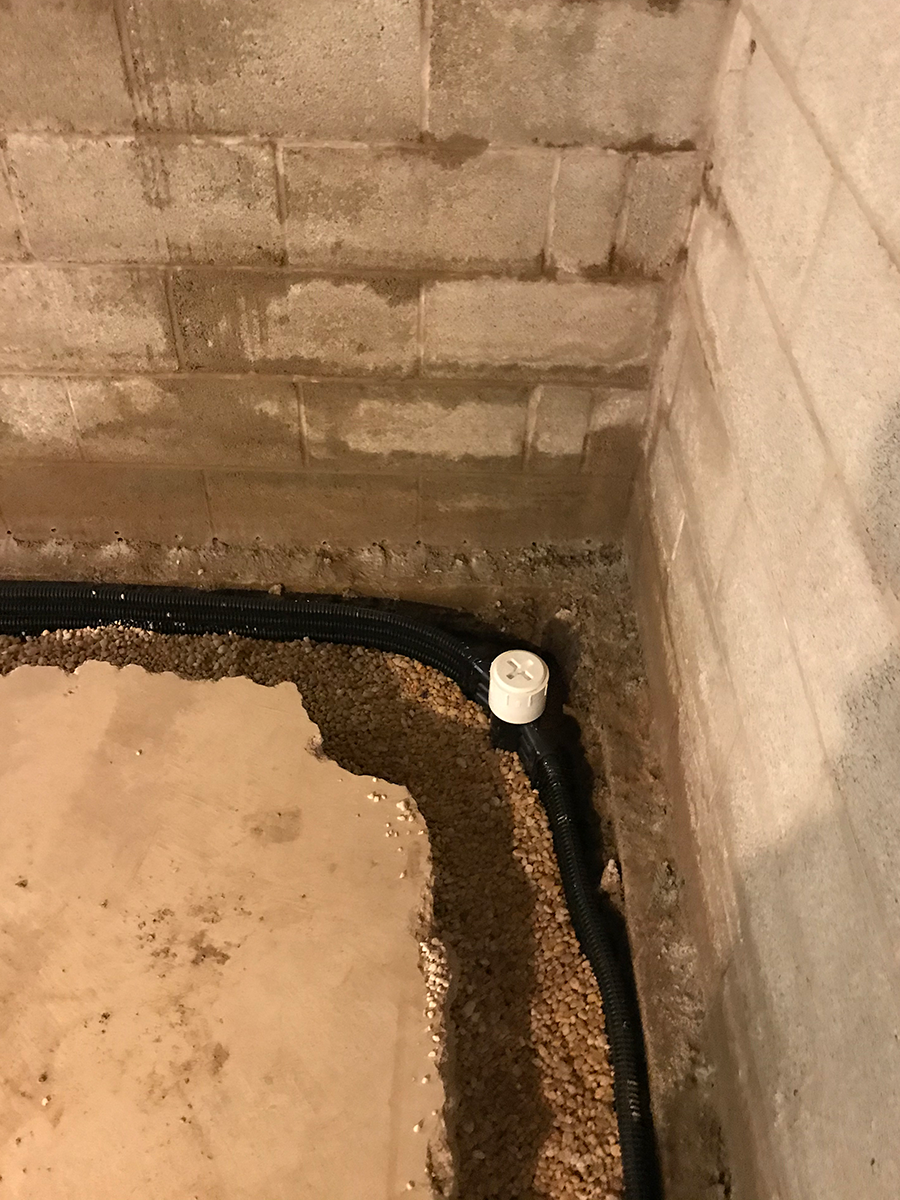
Perimeter "French" Drain Systems
Eliminate water infultrating your basement by directing the water & maintaining a slow and steady flow away from your home foundation. Maintain the soil stability alongside your foundation's footer & supporting base of the foundation.
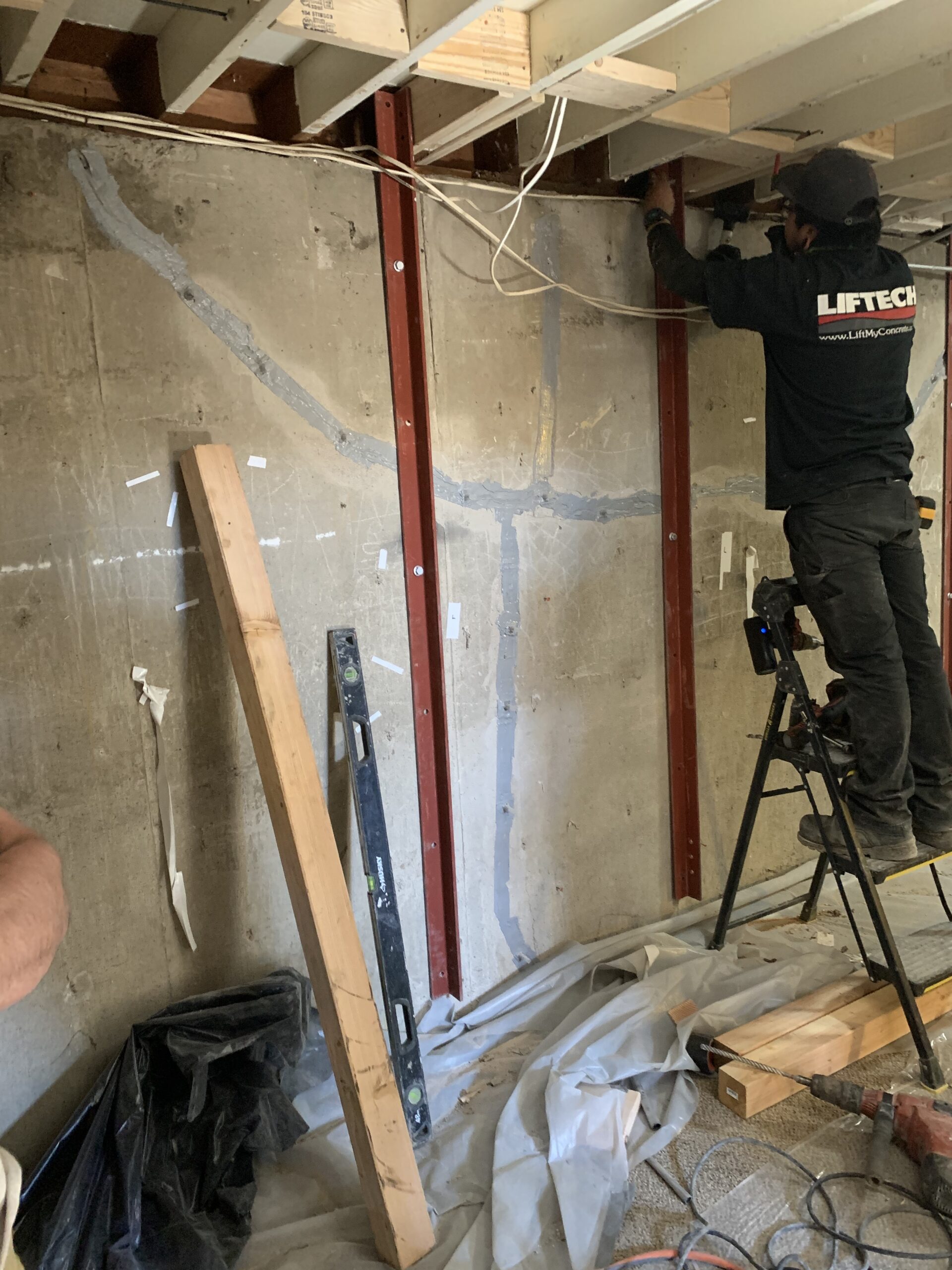
Foundation Leak Repair
Permently seal your foundation crack leaks from water intrusion using a no-excavation solution. The result stops water intrusion from it's erroded & cracked entry points. Long-lasting & quick installation requiring minimal impact to your home.