Wet or Flooding Basement Floors
Signs & Solutions
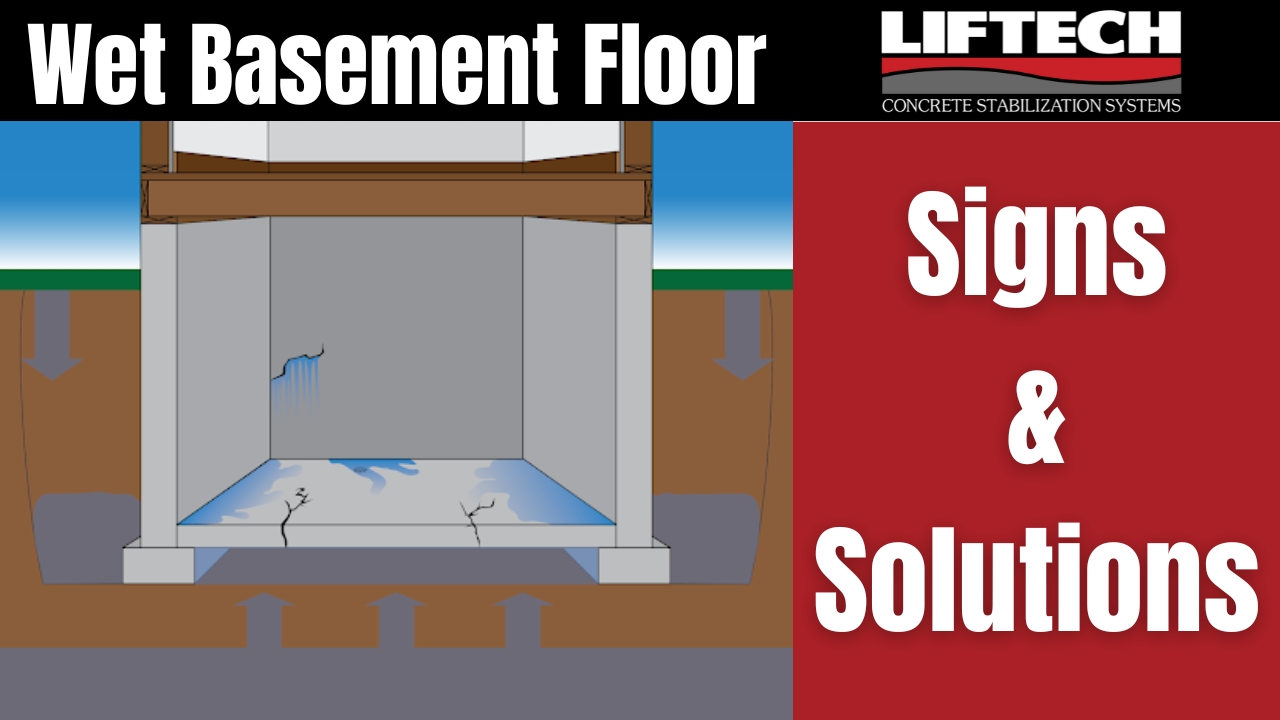
A wet basement floor can be caused by various factors, and determining the exact reason may require a closer inspection.
Wet Basement Floors
Signs Of Water Intrusion
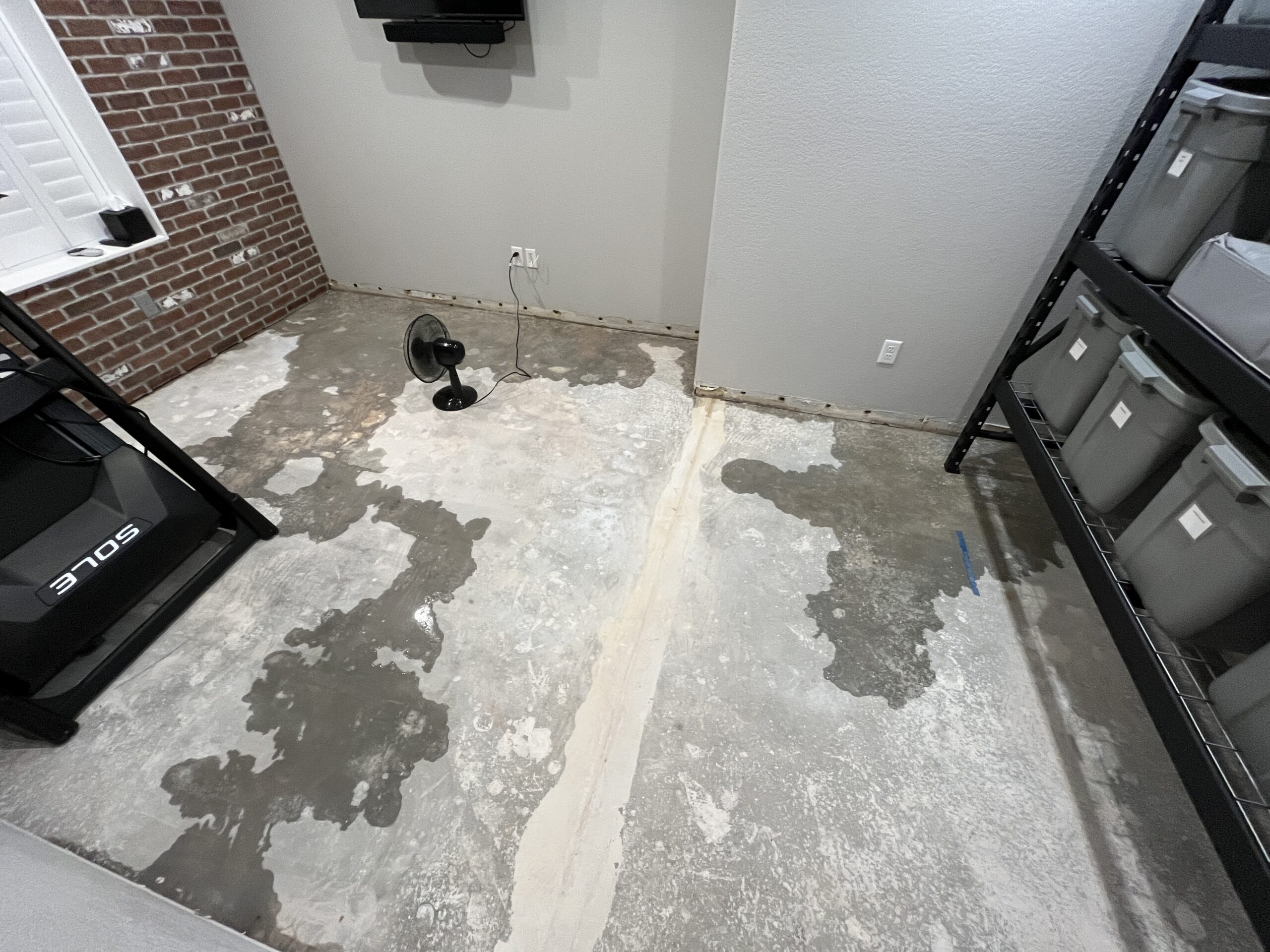
Puddles or Standing Water: Noticeable pools of water on the basement floor are clear indicators of water intrusion.
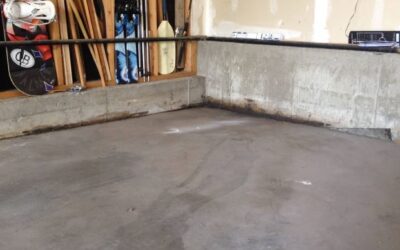
Damp or Wet Spots: Damp or wet areas on the basement floor, especially in corners or along walls, suggest water penetration.
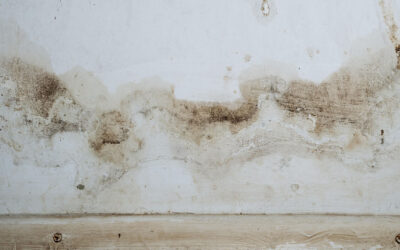
Water Stains: Stains on the walls or floor can indicate past or ongoing water intrusion. These stains may be discolored or darker than the surrounding areas.
Musty Odor: A persistent musty or moldy smell in the basement can be a sign of excess moisture, often caused by water intrusion.
High Humidity Levels: Excessively high humidity in the basement, even without visible water, may indicate a moisture problem that needs attention.
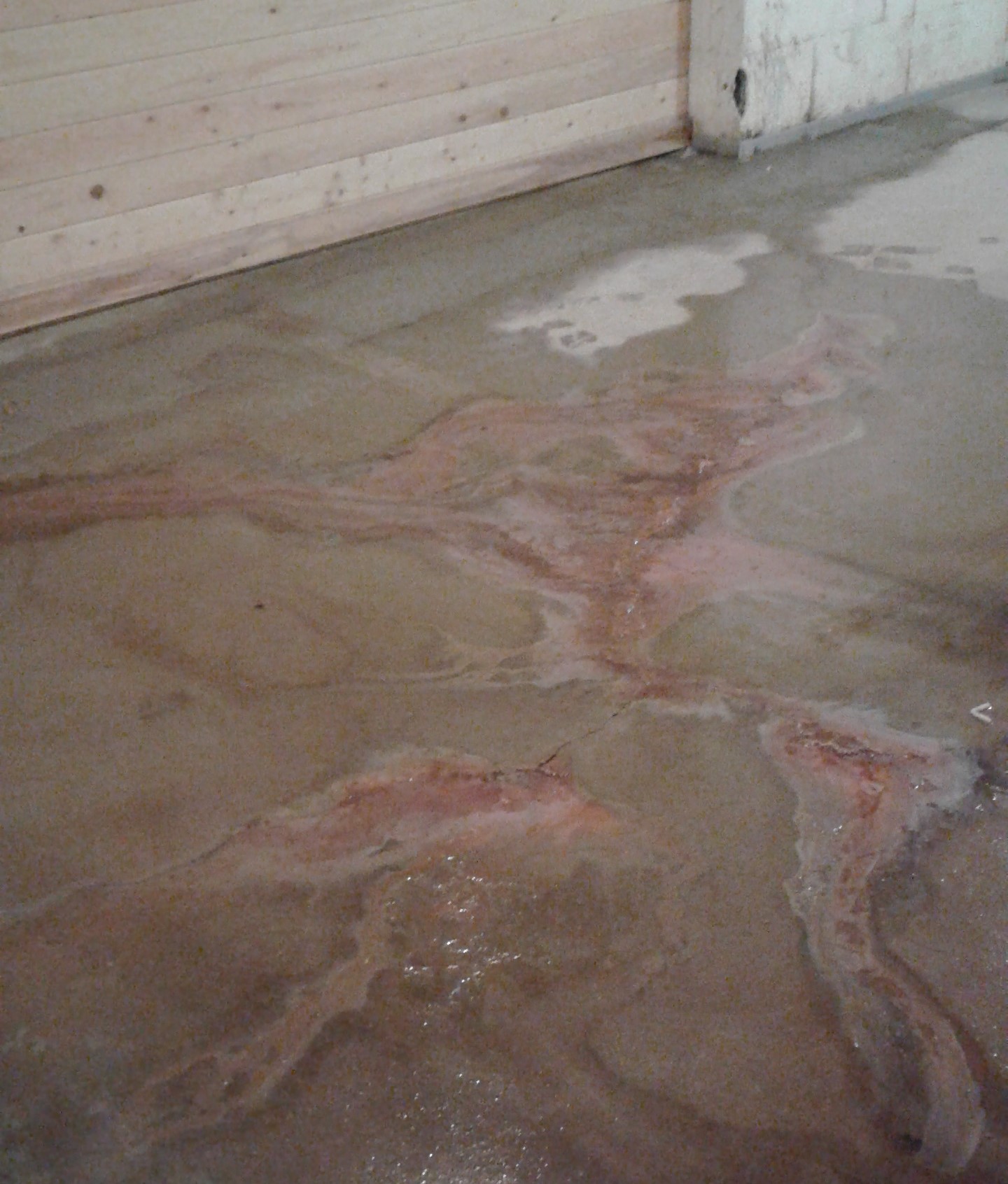
Efflorescence
White, chalky deposits on basement walls or floor surfaces may indicate the movement of water through concrete, bringing minerals to the surface.
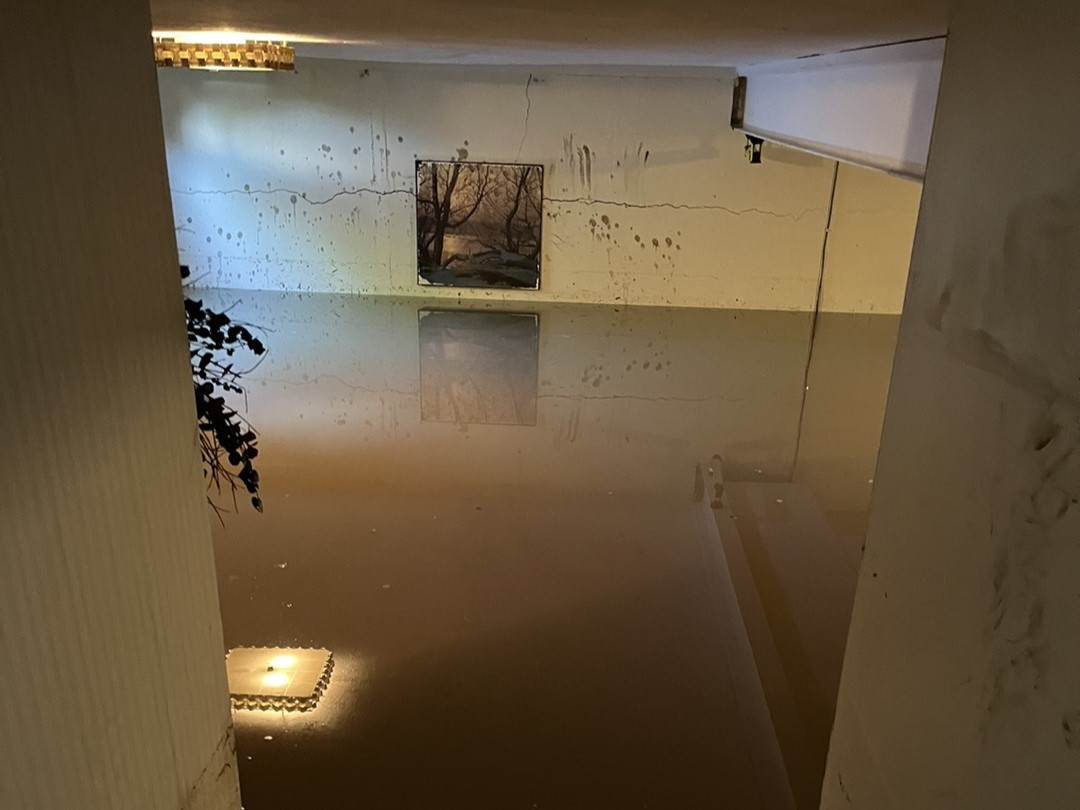
Obvious Flooding
Noticeable pools of water on the basement floor are clear indicators of water intrusion.
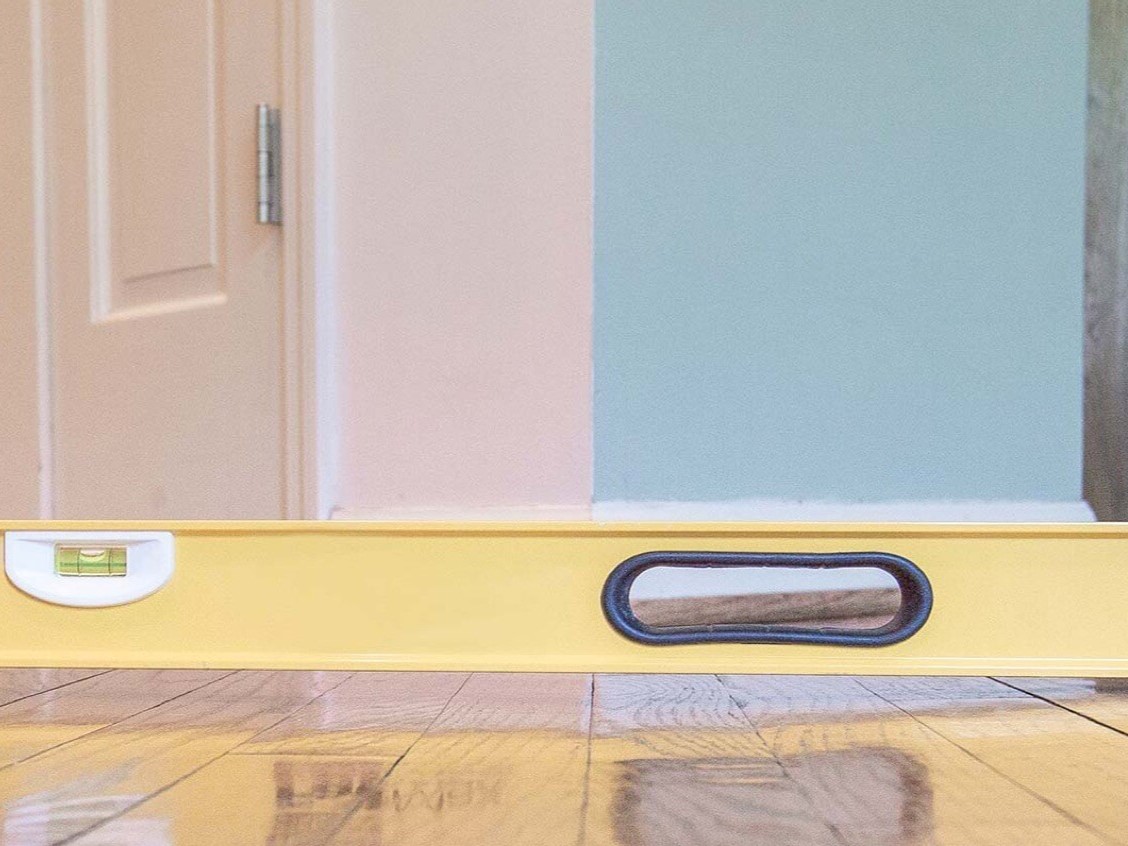
Warped Flooring
Wooden flooring or subflooring may warp or buckle when exposed to water over time.
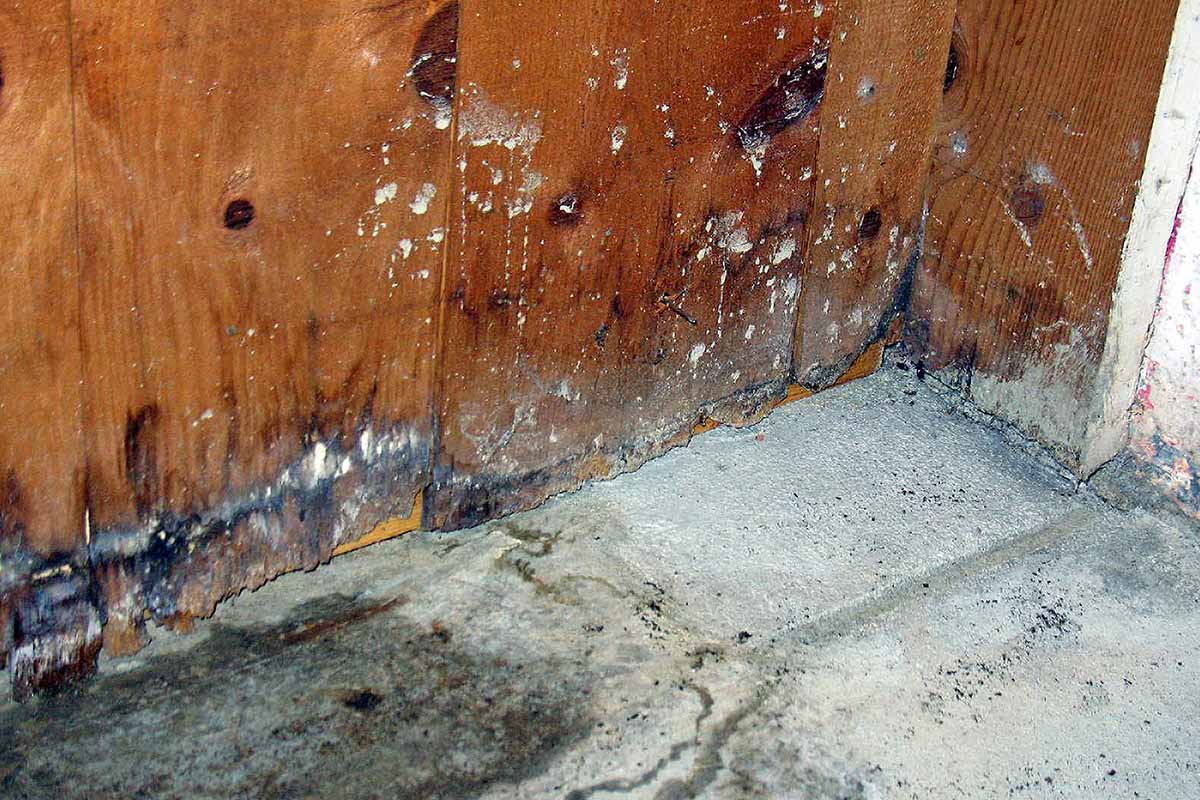
Floor Mold or Mildew
The presence of mold or mildew is a clear indication of excessive moisture.
Consequences Water Intrusion
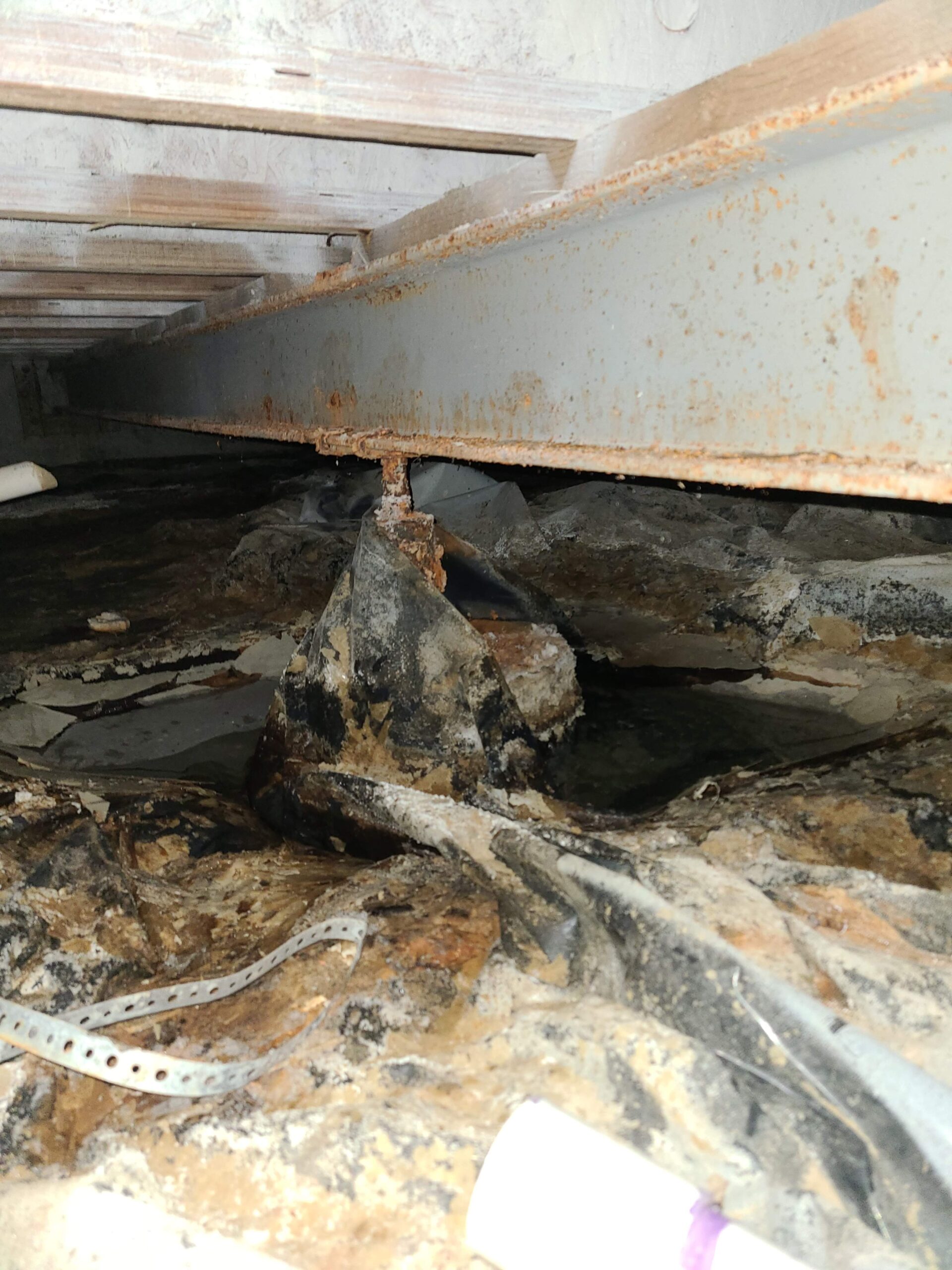
Neglecting to address a basement leak can lead to various consequences, and these issues can escalate over time.
Mold and Mildew Growth
Structural Damage
Decreased Property Value
Electrical Hazards
Unpleasant Odors
Pest Infestations
Damage to Belongings
Rejected Insurance Claims
Increased Utility Cost
Chronic Health Issues
To avoid these consequences, it is crucial to promptly identify and address basement leaks. Regular maintenance, proper drainage, and timely repairs can help mitigate the risks associated with water infiltration in your basement. If you’re unsure about the cause or how to address the issue, get a free thorough & educated evalaution from a Liftech professional.
How To Solve Wet Basement Floors
To address the issue, first determine if the water is from your home’s pipes (pumbling issues) or ground water (rain or snowmelt). If you want further information, we previously listed the causes of basement & crawlspace leaks that could help in how you identify ground water intrusion.
- Inspect and Repair Gutters and Downspouts: Regularly clean and maintain your gutters and downspouts to ensure proper water drainage away from the foundation. You know when it’s best to check? When it’s raining. You can see where the water is running, pooling, or being directed around your house.
- Improve Landscaping: Ensure that the ground around your home slopes away from the foundation. If necessary, re-grade the area to direct water away. Fixing the grading near your home isn’t rocket science, it’s hard work.
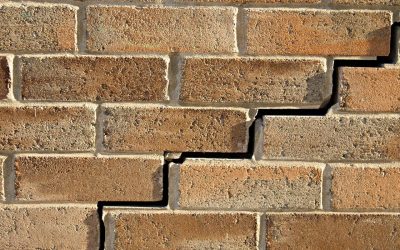
- Seal Foundation Cracks: If you notice any cracks in the foundation walls, seal them using appropriate materials. For larger, persistent growing, or leaking cracks consult Liftech.
- Waterproofing: Consider applying waterproofing materials to the interior or exterior of your basement walls. From innovative french drain systems to ironclad encapsulation services, Liftech is Colorado’s go-to for all things basement waterproofing. Consult Liftech for an honest & effective Waterproofing analysis of your home.
- French Drains and Sump Pumps: Installing a French drain system or a sump pump can help manage and redirect groundwater away from your basement. Liftech offers a “good, better, best” tier of sump pump setups. Liftech’s Foundation & Waterproofing Exerts will help you determine what’s best for your home.
- Interior Drainage Systems: Interior drainage systems, such as a perimeter drain or a baseboard drain, can collect and redirect water that enters the basement. Liftech outlines our comprehensive & effective approach to drain installation on our website.
- Get A Peace-Of-Mind Estimate From Colorado’s Basement Waterproofing Professionals: If the issue persists or seems complex, just call us. Liftech’s Foundation Experts can assess the situation and recommend the best course of action. Check our Google reviews, we provide honest evaluations. And since we’re local, we’re the experts in Local Colorado weather, building codes, home foundations, and soil.