When Rodents Find Their Way In
Many homeowners in Colorado are unaware of the vulnerability of their crawl space. Without proper sealing or protection, rodents can squeeze through vents, gaps in the foundation, or torn insulation, often without ever being seen. And once they’re in, they can do far more damage than you might expect.
Fortunately, there’s a proven solution. Crawl space encapsulation not only helps protect your home from moisture and mold, it also creates a strong barrier that deters rodents and pests from ever getting inside.
Why Open Crawl Spaces Attract Pests
Crawl spaces are designed to give your home room to breathe, but without the right protection, they also invite the wrong kind of visitors. When left exposed, these spaces create the ideal environment for rodents, insects, and even snakes to move in and stay.
Here’s why pests are drawn to open crawl spaces:
- Moisture and humidity. A damp crawl space is like a magnet for pests. Many rodents and insects thrive in moist environments, especially when water pools beneath the home or condensation collects on wood and insulation.
- Nesting material. Exposed fiberglass insulation, wood debris, and even cardboard boxes left in storage give rodents plenty of soft, warm materials to build nests.
- Shelter from the elements. Crawl spaces offer protection from heat, cold, predators, and weather—everything pests are looking for when they move indoors.
- Easy access points. Without encapsulation, rodents can slip through open vents, cracks in the foundation, or loose floorboards with little resistance.
Pest control companies can treat infestations, but if your crawl space remains open and untreated, the problem often comes back. That’s why more homeowners are turning to professional crawl space encapsulation contractors to seal the space and keep pests out for good.
The Damage and Health Risks Pests Can Bring
Rodents and insects don’t just make a mess; they can create serious problems for your home and your health. Once pests gain access to your crawl space, they can cause long-term damage that goes far beyond insulation or wiring.
Here’s what’s at risk:
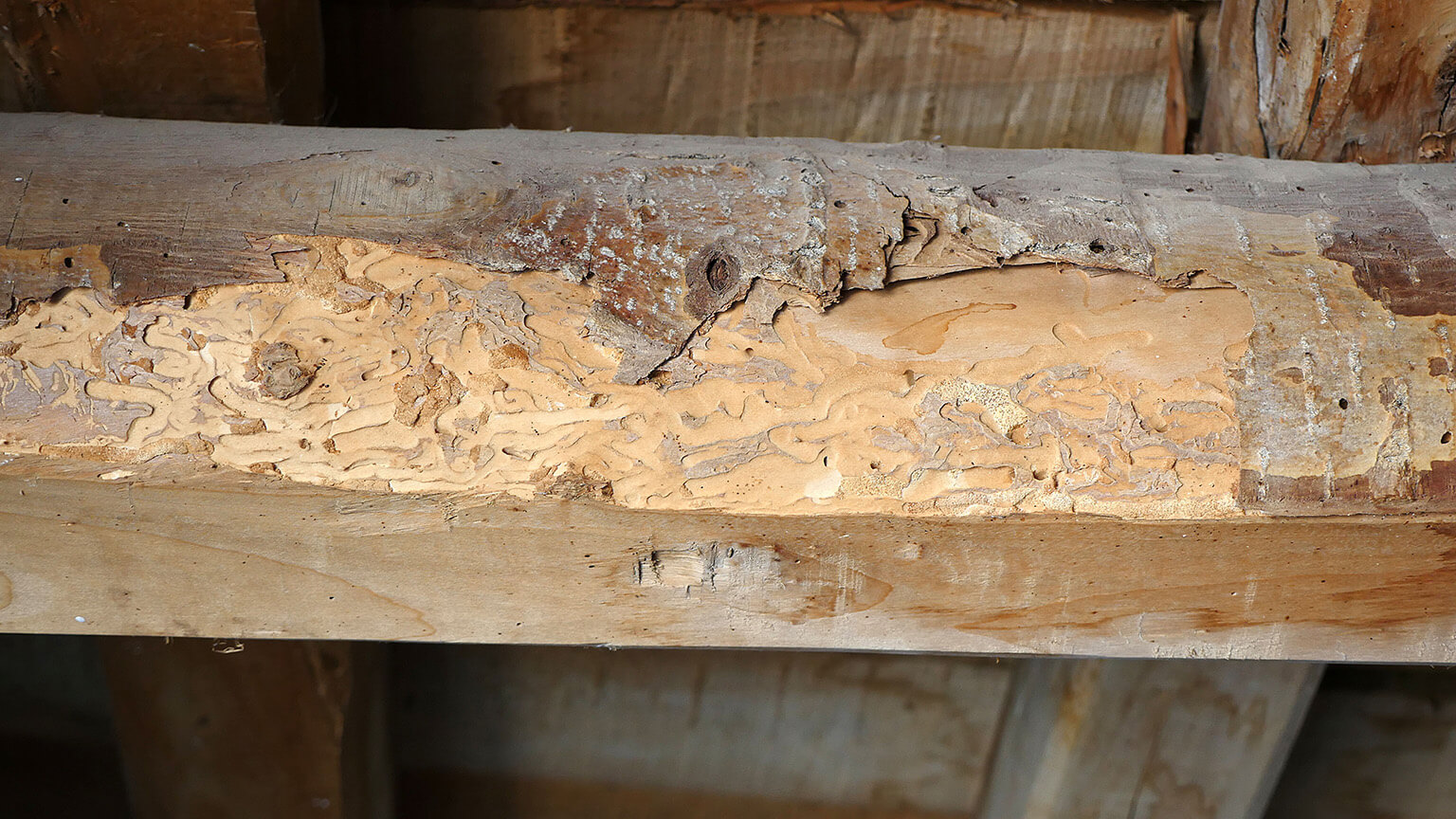
- Structural damage. Rodents chew through wood framing, floor joists, and insulation. Left unchecked, this can weaken your home’s foundation and floor support.
- Electrical hazards. Mice and rats often gnaw on wiring, increasing the risk of electrical shorts, outages, or even fires.
- Air quality issues. Waste from rodents and insects can contaminate the air that flows upward into your living space. This is especially dangerous for children, seniors, or anyone with allergies or asthma.
- Odors and infestations. Decomposing pests, urine, and droppings create persistent smells and attract more insects, including fleas, mites, and flies.
These problems can go unnoticed for months, sometimes years, until a home inspection or major repair forces them to the surface. By investing in crawl space pest prevention, you protect more than just the structure of your home. You protect the people inside it, too.
How Encapsulation Creates a Pest-Resistant Barrier
Crawl space encapsulation works by sealing off the very conditions that attract pests in the first place. Instead of leaving the area open and vulnerable, encapsulation creates a dry, enclosed environment that is far less inviting and far harder for rodents to enter.
Here’s how the process works:
- Vapor barrier installation. A heavy-duty liner is installed over the floor, walls, and piers to lock out moisture and cover materials pests would otherwise use for nesting.
- Sealing entry points. Crawl space vents, cracks, and gaps are closed off to eliminate common access points for mice, rats, and insects.
- Dry air environment. Dehumidifiers and drainage systems are often included as part of a full encapsulation system, keeping humidity low and removing the moisture that pests rely on.
- No food or nesting sources. With insulation enclosed and organic material sealed away, pests have fewer reasons to stay and nowhere to hide.
While encapsulation is not a replacement for pest control in the case of an active infestation, it’s one of the best long-term strategies for keeping future problems from happening. If you’re searching for ways to make your crawl space more secure and less attractive to rodents, encapsulation is the solution most contractors recommend.
Encapsulation vs. Pest Control: What’s the Difference?
It’s important to understand that crawl space encapsulation and pest control are not the same thing, but they work best when used together.
Pest control is meant to eliminate an existing infestation. If rodents or insects are already inside your crawl space, a licensed exterminator may need to treat the area first. Once the pests are gone, encapsulation helps keep them out for good.
Encapsulation is a preventive solution. It is not a pesticide or a trap. It is a structural approach that removes the conditions pests rely on, such as moisture, open access, and nesting material. By closing off these factors, encapsulation makes your crawl space an environment that pests can no longer use.
When you combine professional pest control with proper crawl space sealing, you are not just reacting to the problem. You are stopping it from returning.
Why Homeowners Trust Liftech for Crawl Space Protection
At Liftech, we understand that a crawl space problem is more than just a moisture issue. It affects your air quality, your comfort, and your safety. That is why we offer crawl space solutions that go beyond quick fixes and aim to protect the entire home.
With over a decade of experience serving Colorado homeowners, we have built a reputation for honesty, reliability, and results that last. We use proven encapsulation systems that help control moisture, improve energy efficiency, and reduce the risk of pest activity below your home.
When you choose Liftech, you get:
- Free inspections and clear, no-pressure recommendations
- High-quality vapor barriers, sealing, and drainage systems
- Local crews who understand Colorado’s climate and soil conditions
- Long-term solutions backed by real customer support
Whether you’re dealing with a cold, musty crawl space or trying to prevent future rodent issues, we are here to help you protect your home from the ground up.
Schedule Your Free Crawl Space Inspection
If your crawl space is unsealed, damp, or showing signs of rodent activity, now is the time to take action. Liftech offers professional crawl space encapsulation services that help protect your home from moisture, air quality issues, and future pest problems.
Our team will inspect your crawl space, explain what we find, and walk you through your options. Whether you are searching for better indoor air quality, lower humidity, or a way to keep pests out for good, we will help you find the right solution for your home and your budget.
Contact us today to schedule a free crawl space inspection with a trusted local contractor. We are proud to serve homeowners across Colorado with lasting, high-quality solutions that start from the ground up.