
What’s Actually in the Air from a Damp Basement?
When a basement has excess moisture, whether from seepage, humidity, or hidden leaks. It doesn’t just stay contained to the lower level. Over time, that damp air rises, carrying microscopic particles with it.
Here’s what might be circulating through your home:
- Mold spores, which can trigger allergies, asthma, and respiratory irritation
- Dust mites, which thrive in humid environments and contribute to poor air quality
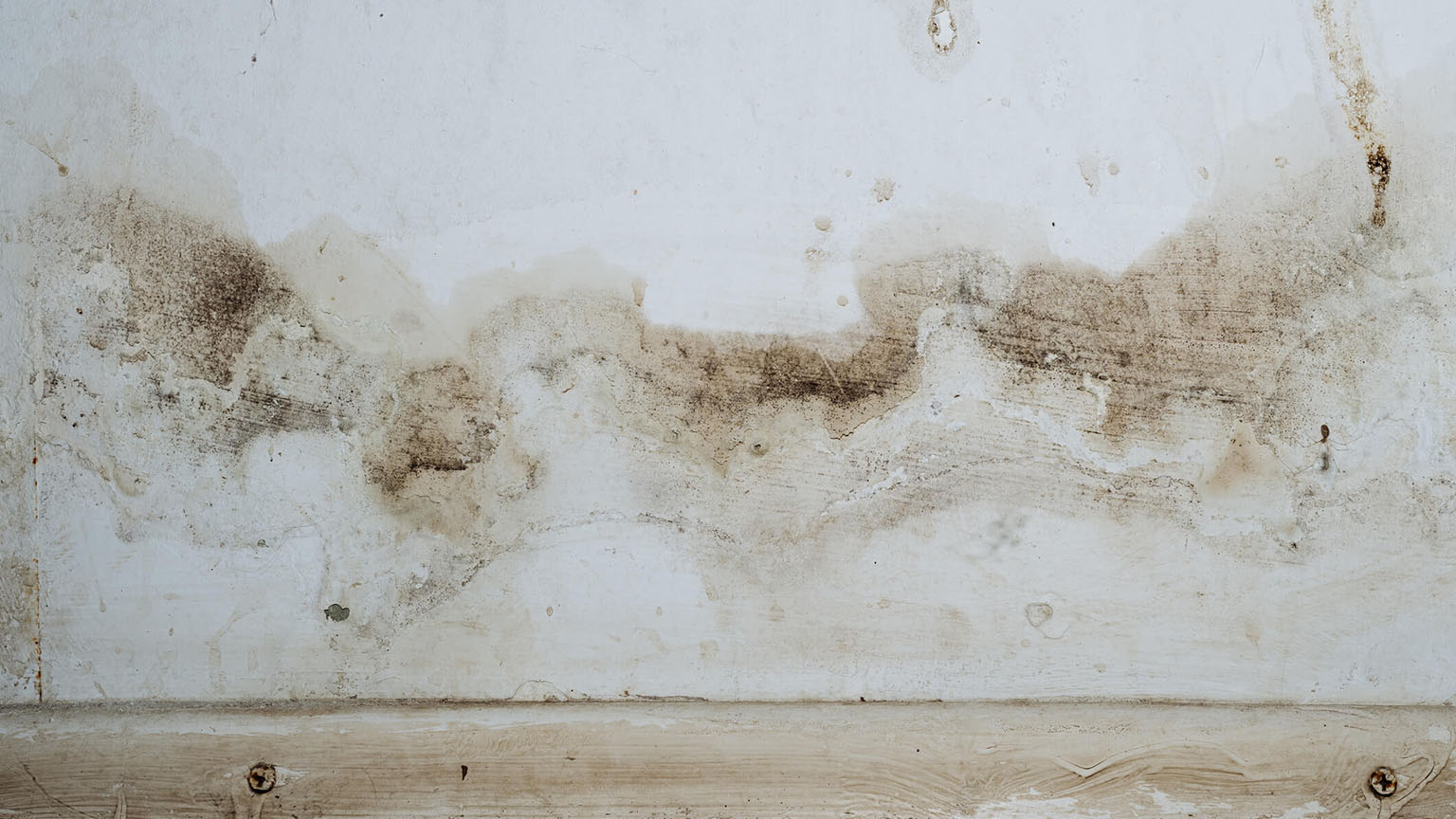
- Musty odors, a sign of biological growth like mold or mildew
- High humidity, which can make your entire home feel stuffy or uncomfortable
Even if the basement is unfinished or rarely used, the air still finds its way upward. That’s why addressing basement moisture isn’t just about protecting concrete; it’s about protecting the environment inside your entire home.
Why It Happens in Colorado Homes
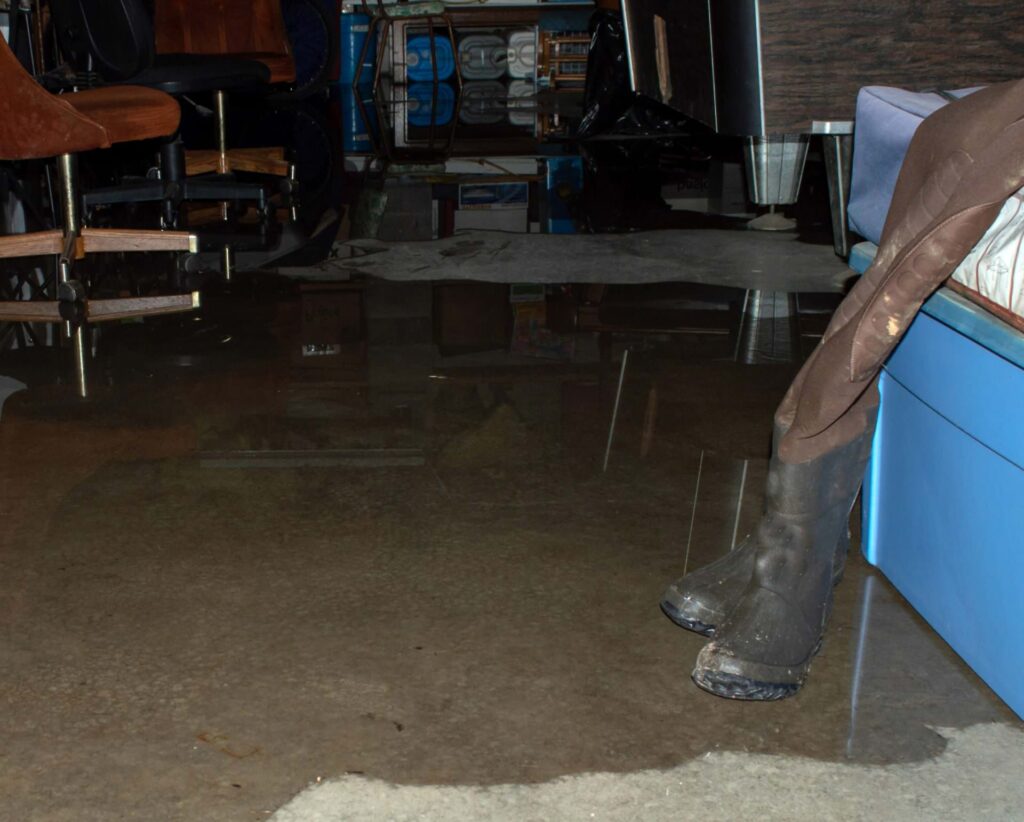
Colorado is known for its dry climate, but that doesn’t mean your basement is safe from moisture. In fact, homes along the Front Range often face hidden water issues because of a mix of soil conditions, drainage problems, and seasonal weather swings.
Here’s why moisture builds up:
- Clay-heavy soil in many areas expands and contracts, creating pressure against foundation walls
- Melting snow and spring rains can lead to hydrostatic pressure around your basement
- Improper grading or gutter runoff sends water straight toward your foundation
- Older homes may have little to no water barrier protection built in
Even in a state with low humidity overall, basements often operate like separate ecosystems. Once moisture starts collecting down there, it only takes a short time for mold to take hold.
What You Can Do About It
If your basement smells musty, feels damp, or shows signs of water intrusion, addressing the moisture at its source is the best way to protect your air quality. Dehumidifiers and air purifiers can help temporarily, but if water is still getting in, the problem will return.
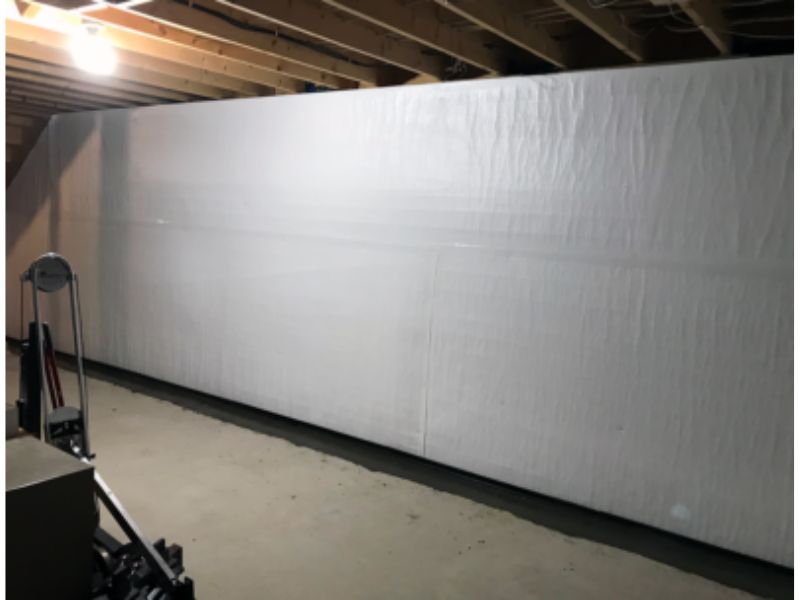
That’s where basement waterproofing comes in. By sealing cracks, installing drainage systems, and controlling groundwater pressure, a proper waterproofing system helps keep moisture out before it becomes a health concern.
At Liftech, we design waterproofing solutions based on the conditions beneath your home—not just surface symptoms. That means fewer surprises, longer-lasting results, and air you can feel better about breathing.
What Happens If You Ignore It
A damp basement rarely fixes itself. And the longer moisture is allowed to linger, the more damage it can do, both to your home and to the people living in it.
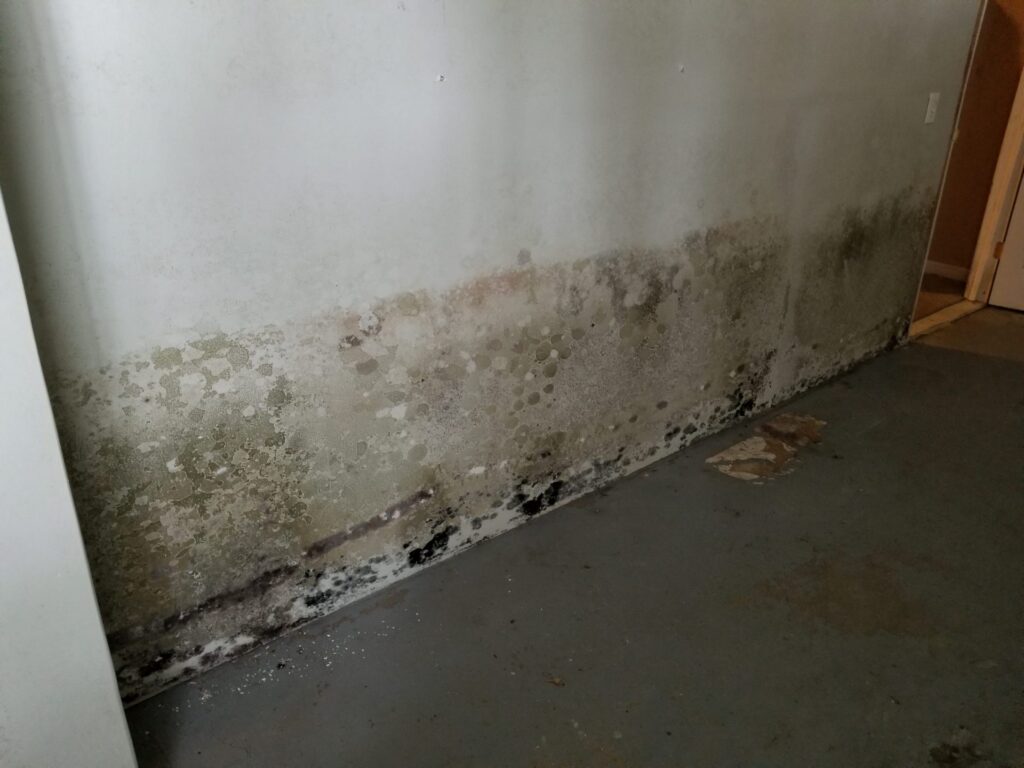
- Mold spreads behind walls and under floors, often unnoticed until it’s widespread
- Framing and floor joists can start to weaken from prolonged exposure to humidity
- Musty air circulates through vents and HVAC systems, affecting your entire home
- Medical symptoms like coughing, sinus problems, or persistent allergies may worsen, especially for kids or anyone with asthma
Left alone, what started as a little dampness can lead to major repair costs and serious air quality concerns. Basement waterproofing isn’t just about stopping water; it’s about preventing what water leaves behind.
Protect Your Air from the Ground Up
If your basement is damp, musty, or showing signs of water intrusion, now is the time to act. At Liftech, we help Colorado homeowners stop moisture at the source with professional basement waterproofing solutions tailored to your home.
Your basement might be out of sight, but it shouldn’t be out of mind when it comes to the air you breathe.