September is when many Colorado homeowners first notice cracks in their foundation walls, sticking doors, or uneven floors. This seasonal shift isn’t random; fall weather plays a major role in how your home responds to soil changes. Learn what’s causing the damage and how to protect your home before winter.

Why Fall Brings More Than Just Color
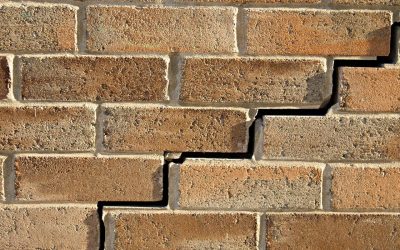
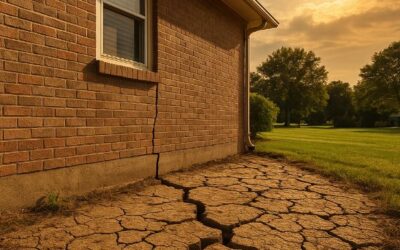
As the leaves start to change in Colorado, many homeowners notice something else changing too: new cracks along their foundation walls, sticking doors that used to swing freely, or hairline fractures snaking across basement floors. These aren’t just seasonal quirks; they’re often the first visible signs of deeper foundation issues triggered by the shift from summer heat to cooler fall weather. September is when the ground begins to react, and your home’s foundation feels it.
Colorado Soil Shifts as Summer Ends
Colorado’s clay-heavy soils don’t just freeze and thaw; they swell and shrink. After a hot, dry summer, the soil beneath your home loses moisture and contracts. Once cooler, wetter fall weather arrives, the same soil begins to absorb moisture again and swell. This constant expansion and contraction exerts pressure on your foundation from all sides. It’s not uncommon for small cracks to widen during September and October or for new symptoms to show up seemingly overnight.
These shifting soil conditions are especially common along Colorado’s Front Range, where bentonite clay and varying elevation make foundations more vulnerable to seasonal stress.
Watch for These Fall Foundation Warning Signs
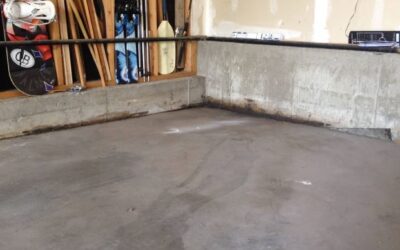
Cracks that Weren’t There Before: Keep an eye on your basement walls, garage floor, and even upstairs drywall. New cracks forming, or existing ones widening, can signal that the foundation is moving as the soil shifts beneath it.
Doors and Windows Sticking: If your interior doors suddenly drag or your windows don’t open like they used to, it might not be the cooler air causing the problem. It could be your foundation settling unevenly as the soil expands with moisture.
Uneven Floors or Gaps Along Trim: You might start to notice floors sloping, bouncing, or feeling less solid underfoot. Look for gaps between baseboards and the floor, or between the wall and ceiling, especially near corners.
Moisture Around the Foundation: As fall rains begin, poor drainage and rising groundwater can saturate the soil around your home. If water pools near the base of your foundation or seeps into your basement, it can increase hydrostatic pressure and accelerate foundation movement.
Why Fall Is the Right Time to Act
Colorado’s weather turns quickly. What starts as cool, damp air in September can shift to freezing temperatures in just a few weeks. If your foundation is already showing signs of trouble, waiting until winter can make repairs more difficult and more expensive.
Fall is also the ideal time to catch soil-related foundation movement before frost sets in. Addressing issues now gives your home time to stabilize before the freeze-thaw cycles of winter deepen the damage. And with drier weather and easier ground access, foundation repair contractors have more flexibility to complete work efficiently.
Schedule Your Foundation Inspection Before Winter
If you’ve noticed cracks, sloping floors, or sticking doors in your Colorado home, don’t wait until winter makes things worse. Fall is the smart season to act, before frost complicates repairs or drives up costs.
Liftech provides expert foundation repair for homeowners across Colorado, with fast service and customized solutions designed for our local soils and climate. Contact us today to schedule your free inspection and get ahead of winter damage before it starts.