Is It Water Seepage or Just Humidity in Your Colorado Basement?
You walk downstairs, and the air feels damp. Maybe the walls look a little darker near the floor, or there is a faint musty smell you do not remember noticing before. It is not always easy to tell if you are dealing with actual water seeping through the foundation, or if your basement is just humid from the weather outside.
Along the Front Range, basements go through big swings in temperature and moisture. Snowmelt, spring storms, and summer humidity can all affect how the space feels and looks. Some signs point to true water intrusion that needs foundation or waterproofing work. Others are more about condensation and air movement that can often be handled in a different way.
Liftech spends a lot of time in Colorado basements and crawlspaces, so our team sees both situations every season. This guide walks through how seepage and humidity behave differently, what to look for on your walls and floors, and when it makes sense to bring in a concrete and foundation repair company to take a closer look.
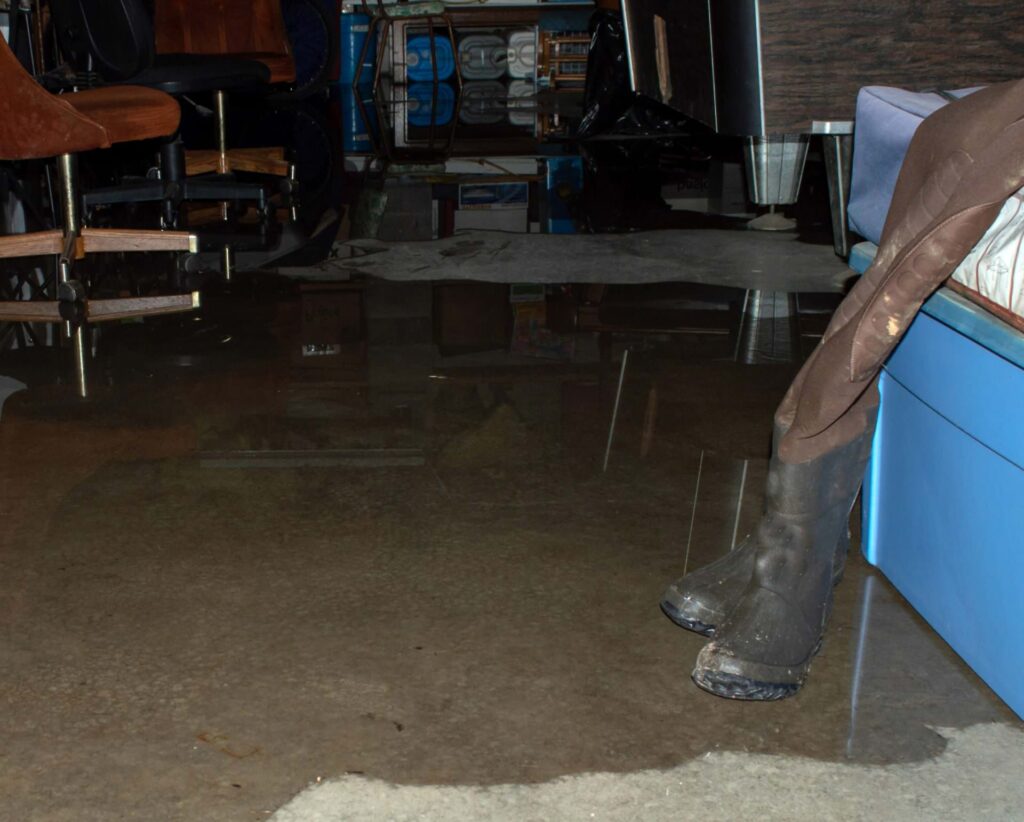
What water seepage usually looks like
When water gets through the foundation, it usually leaves more than just a damp feeling in the air. You can see patterns on the walls and floors that keep showing up in the same places.
Common signs of seepage include:
- A damp line along the base of the wall.
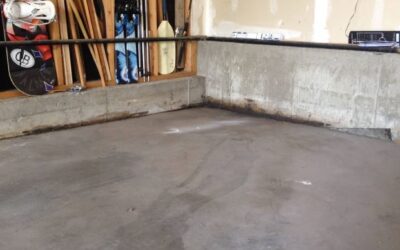
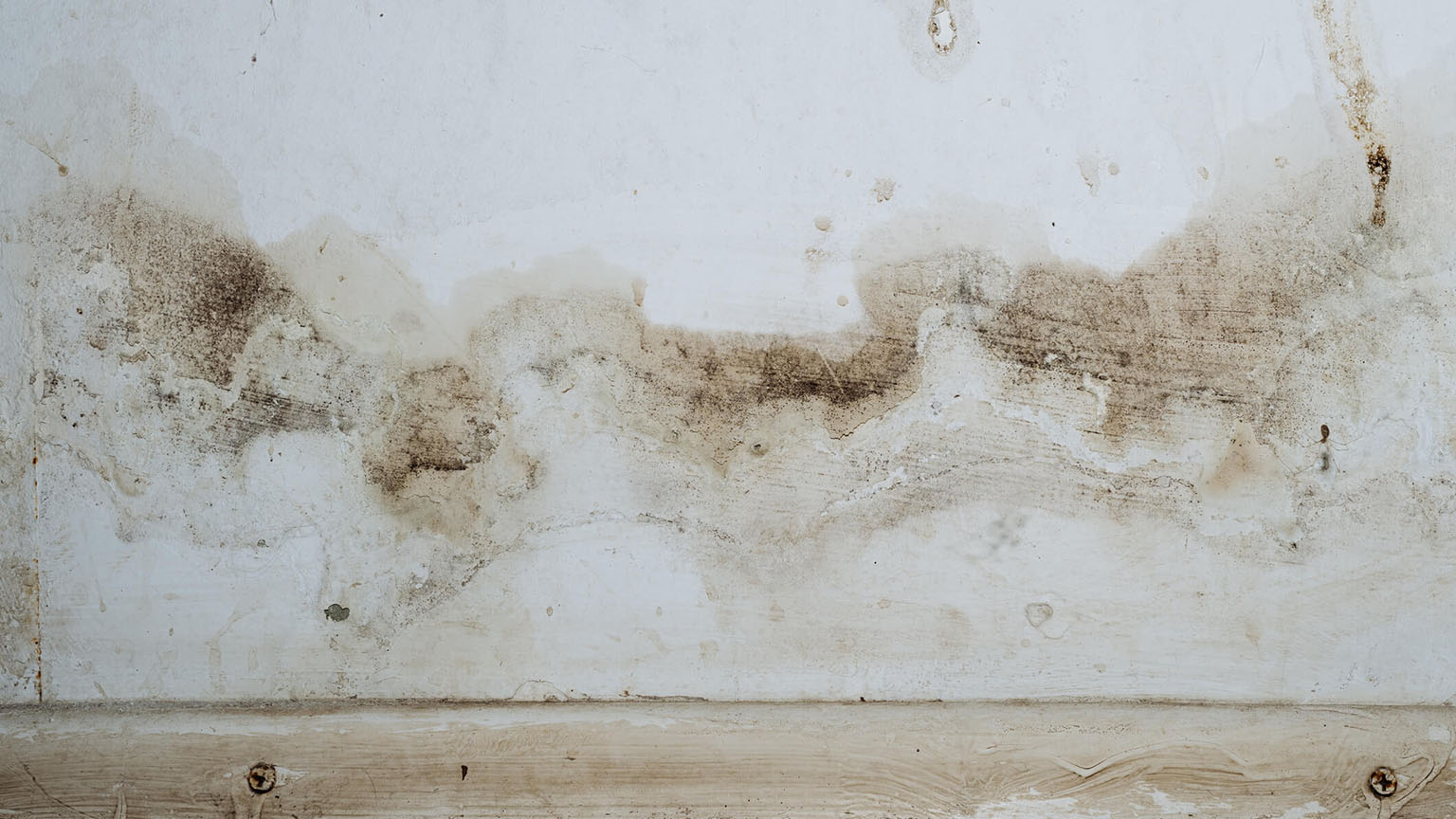
After rain or snowmelt, the concrete or block looks darker in a band a few inches up from the floor, and it stays that way for a while instead of drying quickly. - Puddles or wet spots on the floor.
Water collects where the wall meets the slab, near cracks, or in low spots, often in the same areas every time the weather turns wet. - White, powdery residue on the walls.
Efflorescence, that chalky white film, builds up when water moves through the concrete and leaves minerals behind as it evaporates. If you brush it off and it returns in the same spot, moisture is coming through that area regularly. - Peeling paint or bubbling finishes.
Paint that blisters, flakes, or separates from the wall is often reacting to moisture pushing through from behind, not just surface humidity. - Visible trickles or stained streaks.
In more active cases, you may see small streams during storms or dried “runs” on the wall that show where water has flowed in the past.
If you are seeing one or more of these, there is a good chance you are dealing with seepage through the foundation, not just humid air hanging in the basement.
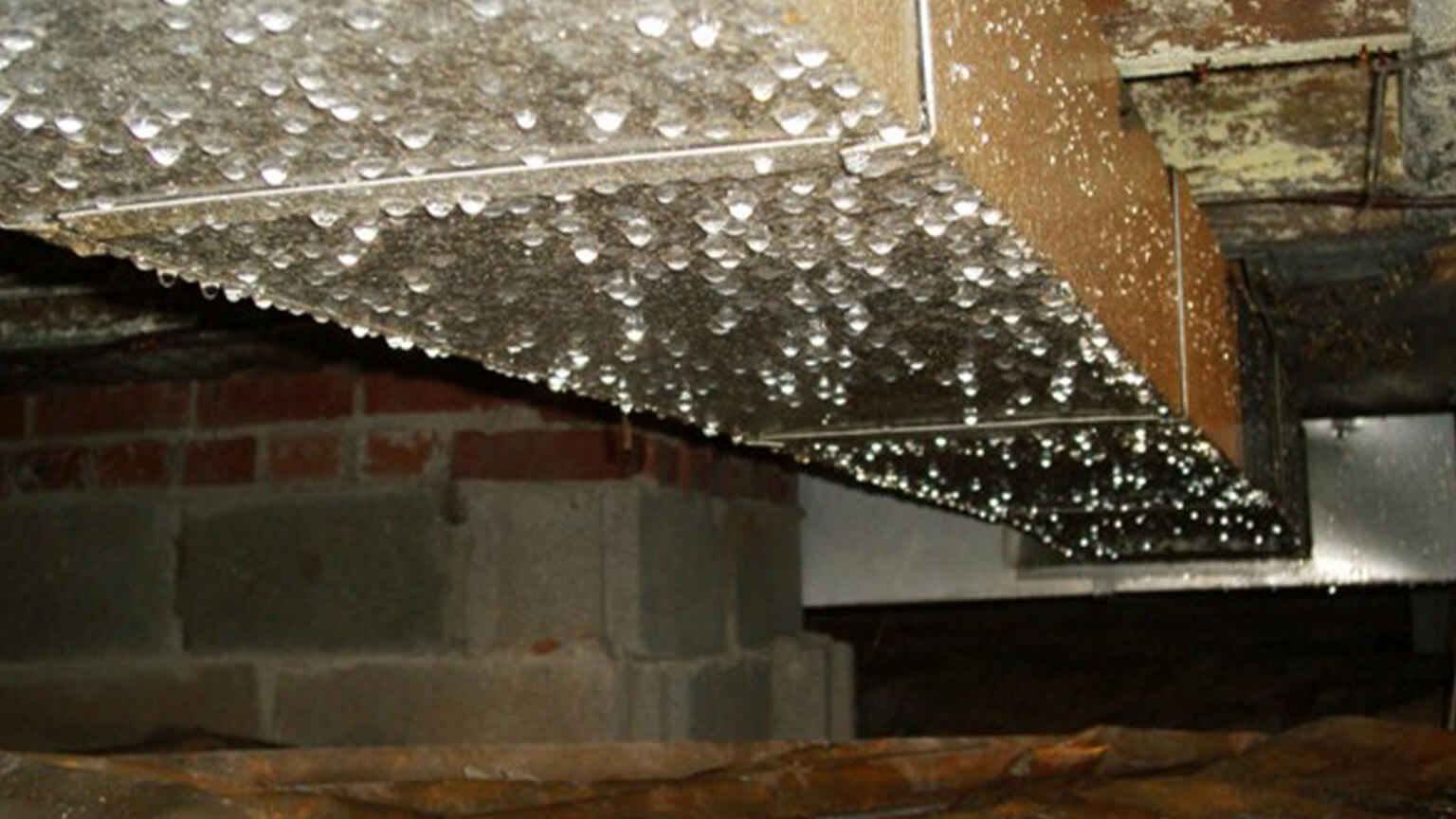
How plain humidity usually behaves
Humidity can make a basement feel damp even when water is not pushing through the walls. In that case, the air is carrying the moisture, and it tends to show up a little differently.
Instead of clear wet spots after storms, you are more likely to notice:
- A general clammy or sticky feeling.
The whole space feels cool and damp, especially in summer or on rainy days, even if you do not see obvious wet patches on the walls or floor. - Condensation on cool surfaces.
Metal ductwork, cold water pipes, or even the face of a concrete wall can bead with tiny drops when warm, humid air hits them. It looks a lot like the outside of a cold glass on a summer day. - Light surface dampness that comes and goes.
The basement may smell musty on humid days, then clear up when the weather dries out. Streaks or darkening on the wall might change from day to day instead of staying in the same patterns after each storm. - No consistent puddles or leak patterns.
You may not see water pooling in the same place after rain. Instead, cardboard boxes, fabrics, and stored items just feel a little damp over time.
Humidity can still lead to mold, mildew, and a musty smell if it is not managed, but it does not usually create the clear bands, puddles, or repeated leak marks that seepage does. The difference matters because a basement that is mostly dealing with humid air may need a different approach than one with water actively coming through the foundation.
Simple ways to tell the difference
In a real basement, seepage and humidity do not always stay neatly in their own lanes. You might have a little of both, or one can lead into the other. Still, there are a few practical questions that can help you sort out what you are dealing with.
One of the easiest is timing. Think about when the problem shows up. If you only notice damp walls, wet spots, or a stronger smell after snow melts, after a heavy rain, or when the sprinkler system runs against that side of the house, seepage is a strong suspect. If the space just feels clammy during muggy summer afternoons or during a stretch of rainy days, but you never see specific wet patches, humidity may be doing most of the work.
Location matters too. True seepage likes patterns. The same corner, crack, or section of wall tells the story over and over, and the marks it leaves tend to stay put. Humidity is more of a blanket. It makes cardboard boxes soft, fabrics feel damp, and the whole room smells off, without one clear “this is where the water comes in” spot.
You can also pay attention to how long things stay wet. A little condensation that clears up within an hour or two after the weather changes behaves differently from a dark band along the wall that lingers for days. The first points toward air and surface temperature. The second usually points toward water moving through the foundation or under the slab.
If you feel stuck in between, that is normal. Plenty of Colorado basements have some seepage, some humidity, and a shared musty smell tying them together. That is where it can help to have someone who works in these conditions every day take a look and give you a straight answer.
When it is time to call a professional
It is worth bringing someone in when the basement starts telling the same story over and over. If the same line on the wall gets damp after storms, if a musty smell never really clears, or if cracks and stains seem to slowly grow instead of staying put, that is usually more than “just humidity.”
At that point, you are not calling for a gadget or a quick patch. You are calling for an honest read on whether water is getting through the foundation, whether air and moisture need to be managed differently, or whether both are happening at once. A short visit from someone who works in Colorado basements every day can save you a lot of guessing.
Not sure what you are seeing in your basement?
If you are still unsure whether you are dealing with seepage, humidity, or a mix of both, you do not have to figure it out alone. Liftech has inspected thousands of Colorado basements and crawlspaces along the Front Range. Our team can walk the space with you, explain what we see, and outline the options if work is needed.
Contact Liftech to schedule a free inspection, and let our technicians help you understand what is really going on behind that damp feeling in your basement.