The Best Method for Lifting Concrete in Colorado
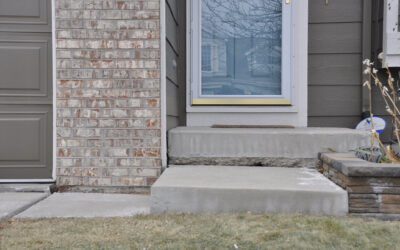
When concrete settles around your home, whether it’s a walkway, patio, or driveway, it becomes more than just an inconvenience. Uneven slabs create tripping hazards, interfere with drainage, and signal deeper soil issues that will only get worse with time.
Homeowners exploring repair options often come across two solutions: mudjacking, the older, cement-based method, and polyurethane foam lifting, a more modern approach. While both aim to restore concrete to a level position, the technology behind them and the results they deliver are very different.
At Liftech, we’ve built our entire process around polyurethane foam for one reason: it works better. In the sections below, we’ll break down exactly how each method works, where they differ, and why more homeowners across Colorado are choosing foam over mud.
What Is Mudjacking?
Mudjacking is one of the oldest techniques used to lift sunken concrete. It works by drilling multiple large holes into the surface, typically around the size of a soda can, and pumping a thick slurry made from water, soil, and cement into the ground beneath. As the mixture fills empty spaces, it pushes the slab upward.
While the idea is simple, the method has limitations. The slurry is extremely heavy, which can actually put more stress on the soil that caused the sinking in the first place. And because the material isn’t waterproof, it can break down or wash away over time. This is especially the case in areas with poor drainage or freeze-thaw cycles. Many homeowners end up needing repeat repairs a few years later.
What Is Polyurethane Foam Lifting?
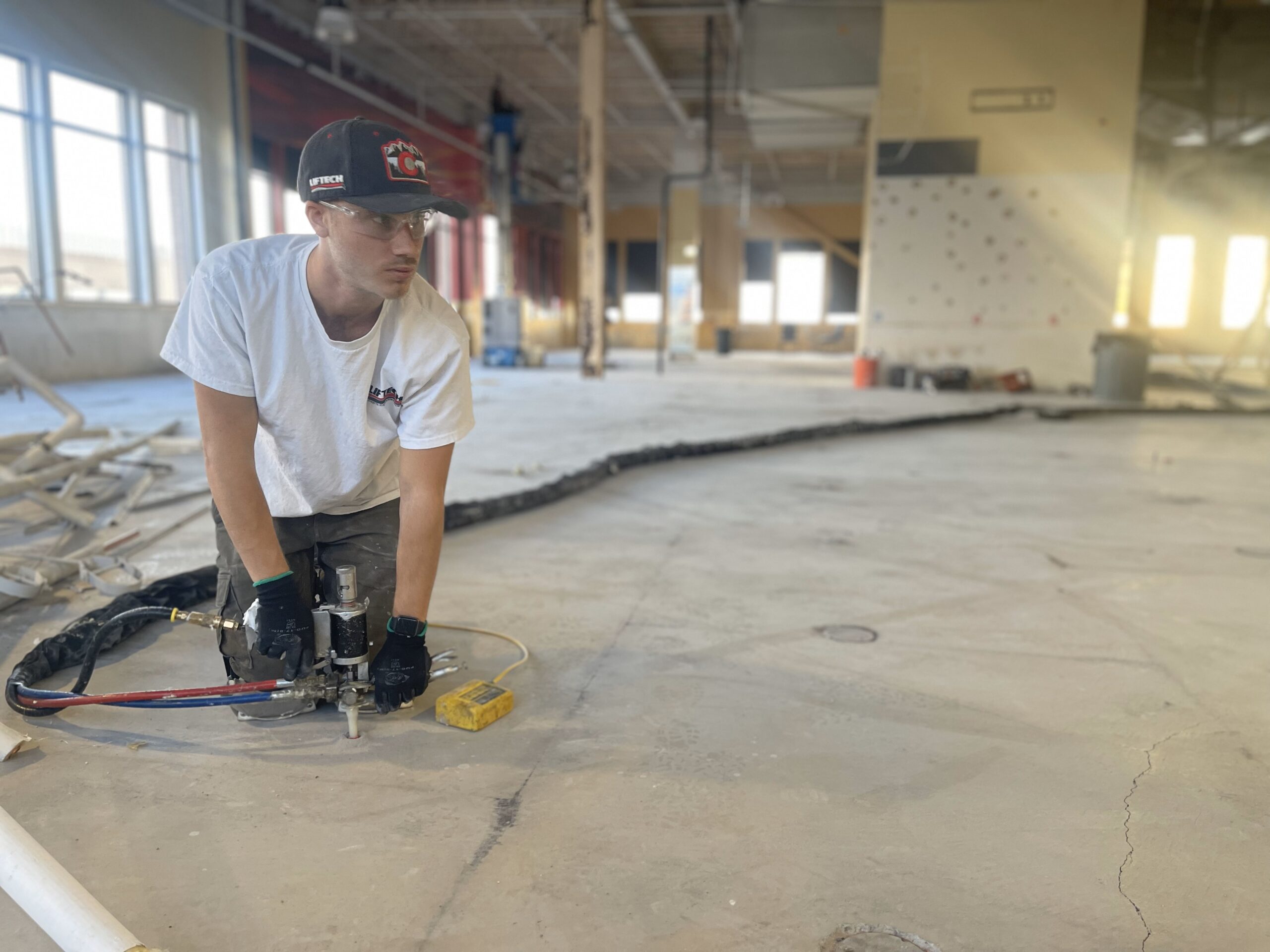
Polyurethane foam lifting, also known as polyjacking, is a more advanced and efficient way to raise sunken concrete. Instead of using bulky equipment and heavy materials, this method starts with drilling small, discreet holes, about the size of a penny, into the slab. A lightweight polyurethane foam is then injected beneath the surface, where it expands and lifts the concrete with precision.
The foam hardens within minutes, forming a strong, water-resistant base that won’t erode or add stress to unstable soils. Because the process is so targeted, the results are more consistent, and the slab is often ready to use the same day.
This makes polyfoam a popular choice for Colorado homeowners who want a clean, long-lasting solution with minimal downtime or mess.
Mudjacking vs. Polyurethane Foam Lifting: How They Compare
Not all concrete repair methods perform the same, especially when you look at how they hold up over time. Here’s a closer look at how mudjacking stacks up against polyurethane foam lifting in key areas that matter to Colorado homeowners:
|
Category |
Mudjacking |
Polyurethane Foam Lifting |
|
Drilling & Installation |
Requires large drill holes (1–2 inches) and heavy pumping equipment to inject a cement-based slurry. |
Uses small, clean injection points (about ⅜ inch) and a lightweight foam that expands to lift the slab. |
|
Cure Time |
Can take a day or two before the area is ready for use. |
Sets quickly, usually within 15 to 30 minutes, so you can get back to normal fast. |
|
Precision & Control |
Lifting is less accurate and may lead to uneven results or overcorrection. |
Expands evenly and with control for smooth, targeted lifting. |
|
Material Weight |
Slurry is dense and heavy, up to 100 pounds per cubic foot, which can cause further sinking in soft soils. |
Foam weighs just a few pounds per cubic foot, reducing pressure on already compromised ground. |
|
Durability |
It can break down over time and may wash out if water gets underneath the slab. |
Waterproof and long-lasting, designed to stay in place even in wet or shifting conditions. |
|
Cleanup |
The process can be messy, especially if excess slurry reaches the surface. |
Minimal disruption, no residue, and quick cleanup. |
|
Long-Term Performance |
Often considered a short-term fix and may need to be repeated. |
Built for longevity, with results that typically don’t require rework. |
Which Concrete Lifting Method Is Better for Your Home?
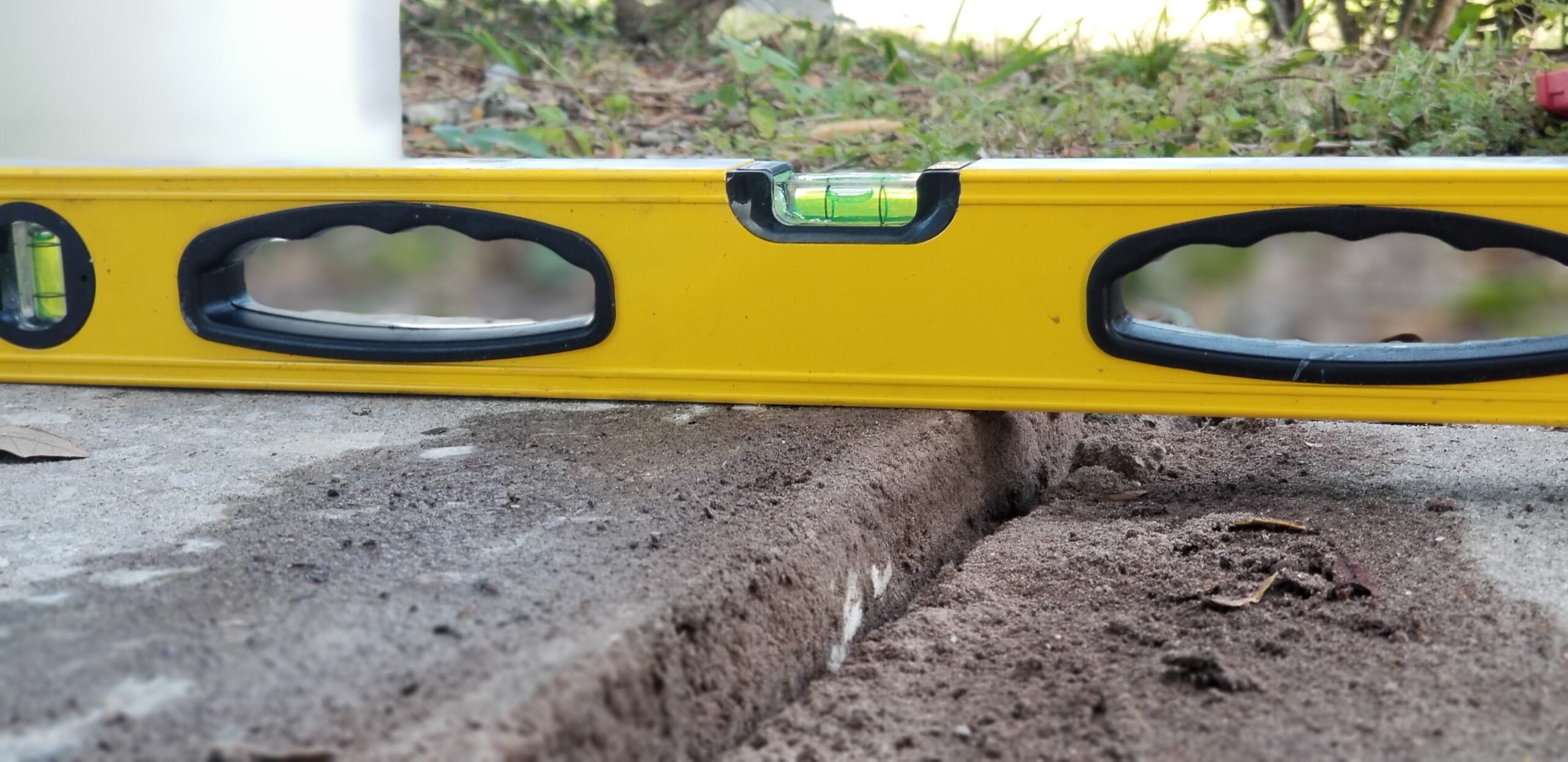
While mudjacking has been used for decades, it simply doesn’t measure up to what polyurethane foam can do. Foam lifting is faster, cleaner, and far more precise. This is especially true when dealing with Colorado’s unpredictable soil and freeze-thaw cycles.
At Liftech, we’ve seen firsthand how polyfoam performs over time. It doesn’t just raise the slab; it creates a stable, long-lasting foundation underneath. You avoid the mess of mudjacking, and you won’t be left wondering if the repair will hold up through another winter.
Whether your concrete is sinking due to erosion, poor compaction, or natural settling, polyurethane foam is the smarter fix. It solves the problem at its source without adding weight or leaving behind damage.
Ready to Lift Your Concrete the Right Way?
If you’re seeing uneven slabs around your home, on the driveway, sidewalk, patio, or garage floor, it’s time to take action. The longer you wait, the more the problem can spread.
At Liftech, we specialize in polyurethane foam lifting because it works. Our expert crew utilizes proven techniques to restore your concrete quickly, cleanly, and with minimal disruption. You’ll get long-term results and peace of mind, all backed by real experience in Colorado’s challenging soil conditions.
Schedule your free inspection today. We’ll evaluate the damage, explain your options, and help you choose a concrete repair solution that makes sense for your home and your budget.